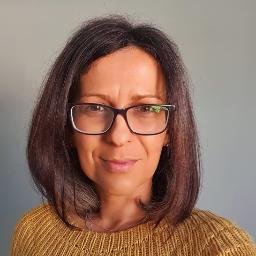
Ewa Polit
BACP
7 years in practice English, Polish
Experienced counsellor for trauma and life change
- Stress, Anxiety
- Trauma and abuse
- Self esteem
UK counselling directory
45 counsellors in this directory name Polish among the languages they offer sessions in.
Therapy in a person's native language can make it easier to explore emotions, memories and cultural context. Below you can browse profiles of Polish-speaking therapists to review approaches, experience and locations.
BACP
7 years in practice English, Polish
Experienced counsellor for trauma and life change
BACP
9 years in practice English, Polish
Experienced bilingual counsellor for life changes
BACP
4 years in practice English, Polish
Calm support for stress, trauma and addiction
BACP
5 years in practice English, Polish
Support for stress, anxiety and relationship issues
BACP, NCPS
13 years in practice English, Polish
Compassionate counsellor for life’s difficult moments
BACP
4 years in practice English, Polish
Client-centred counsellor for anxiety and life change
3 years in practice English, Polish
Hopeful, practical counselling support
BACP
6 years in practice English, Italian
Gentle, body-aware therapy for life’s hard moments
4 years in practice English, Polish
Practical counselling for stress and relationships
BACP
3 years in practice English, Polish
Practical, compassionate CBT counselling
BACP
6 years in practice English, Polish
Empathic person-centred counsellor
BACP, NCPS
5 years in practice English, Polish
Understanding, practical counselling support
BACP
20 years in practice English, Polish
Experienced counsellor focused on relationships and life change
BACP
3 years in practice English, Polish
Humanistic counsellor who adapts to you
BACP, NCPS
5 years in practice English, Polish
Calm practical therapy for real-life challenges
BACP
17 years in practice English, Polish
Person-centred counsellor for relationship and trauma concerns
BACP
15 years in practice English, Polish
Experienced integrative counsellor
BACP
2 years in practice English, Polish
Empathic counsellor for stress and life change
BACP
9 years in practice English, Polish
Calm, practical support for lasting change
BACP, NCPS
4 years in practice English, Polish
Accessible counsellor using talking therapy and practical tools
BACP
6 years in practice English, Polish
Compassionate counsellor focusing on attachment and coping
BACP
15 years in practice English, Polish
Person-centred counselling with trauma-informed care
BACP
3 years in practice English, Polish
Practical counselling for anxiety and life changes
BACP
5 years in practice English, Polish
Person-centred counselling with practical tools
3 years in practice English, Polish
Calm practical counselling for anxiety and grief
BACP
3 years in practice English, Polish
Person-centred counsellor for stress and relationships
BACP
11 years in practice English, Polish
Experienced bilingual counsellor focusing on relationships and trauma
BACP
8 years in practice English, Polish
Therapist helping people through life’s hard moments
BACP
4 years in practice English, Polish
Practical, psychodynamic counselling with mindfulness
BACP, NCPS
6 years in practice English, Polish
Experienced UK counsellor who listens and guides
BACP
12 years in practice English, Polish
Practical, compassionate counselling for life changes
BACP
4 years in practice English, Polish
Trauma recovery with practical support
BACP
3 years in practice English, Polish
Integrative counsellor for everyday struggles
BACP
4 years in practice English, Polish
Practical, person-focused counselling for life’s challenges
BACP, NCPS
7 years in practice English, Polish
Calm, practical counselling support
BACP
4 years in practice English, Polish
Practical, values-led counselling for everyday struggles
8 years in practice English, Polish
Integrative counsellor using creative and somatic methods
BACP
3 years in practice English, Polish
A calm, grounded counsellor for life’s hard moments
BACP
3 years in practice English, Polish
Compassionate integrative counselling for adults
BACP
3 years in practice English, Polish
Gentle, practical counselling to make change possible
BACP
5 years in practice English, Polish
Person-focused counsellor for life changes
BACP
15 years in practice English, Polish
Calm, practical support for stress and trauma
BACP
3 years in practice English, Polish
Supportive counsellor for stress and relationships
BACP
10 years in practice English, Polish
Flexible, person-focused counsellor with international practice
BACP
3 years in practice English, Polish
Experienced counsellor for stress and anxiety
Some links on this page are partner links. We will earn a commission if you sign up through one, at no cost to you.
When conversation happens in your first language, subtle meanings, humour and cultural references land more naturally. For many people the labels they use for feelings, family roles or traumatic memories are shaped by language. Speaking Polish with a therapist lets you access the specific words and metaphors that best describe your experience instead of having to translate them on the fly. That can help with emotional clarity and make session time feel more immediately useful.
Therapy is also shaped by cultural context. A therapist who understands Polish cultural norms and life experiences can better appreciate how family expectations, migration history or cultural values influence day-to-day challenges. Even when a therapist is learning about culture from a client, being able to communicate in Polish reduces friction and lets the therapeutic work focus on meaning rather than language navigation. For many people this combination of linguistic ease and cultural familiarity supports a stronger therapeutic relationship.
Working through personal problems requires nuanced language. If you are using a second language, it may be harder to describe physical sensations, to name emotions or to recount memories in detail. This can lead to conversations that feel superficial or to missed cues about how a problem affects your life. In turn, that may make it harder to reach conclusions or notice shifts in how you feel between sessions.
Language barriers can also change how safe you feel when disclosing sensitive material. You might avoid talking about topics that feel shameful or embarrassing if the right words are not available, or you might rely on general terms that flatten emotion. Over time, this can make therapy feel less effective. Choosing a Polish-speaking practitioner reduces this barrier and gives you more room to explore complexity, nuance and the small turns of phrase that carry strong emotional meaning.
Online therapy has become an established option for many people who want to connect with a therapist in their native language. In an online session you can join from home or another familiar setting, which may help you feel more at ease when discussing personal topics. Sessions often follow a conversational rhythm similar to face-to-face work, with time for check-in, focused discussion and reflection. You can expect to cover current difficulties, explore patterns and consider practical steps that fit your life.
Most online sessions use video or audio calls through platforms chosen by the therapist. It is reasonable to ask about how sessions are conducted and what you will need to use the service. Consider where you will sit during a session so you can speak freely and without interruption. If translation of documents or forms is needed, many therapists can provide explanations in Polish or suggest ways to make written information easier to understand. Online work also opens access to practitioners who may not be local, which can broaden your choices for someone who matches your language and cultural preferences.
Cultural attitudes toward mental health can vary widely, and some Polish speakers worry about stigma or what family or community will think. For many, admitting the need for emotional help conflicts with norms about resilience or privacy. This can delay reaching out for support. It may help to remember that seeking therapy is a personal decision and that many people find it useful to discuss worries about stigma with a therapist early on.
Finding a practitioner who speaks Polish can also feel challenging, particularly outside major cities. Some people are unsure how to assess whether a therapist is suitable for issues like migration-related stress, bereavement, relationship problems or identity questions. Others want a therapist who understands Polish family dynamics or religious background. Taking time to read profiles and to note which practitioners mention relevant experience, languages and areas of interest can make the search less daunting. If a therapist lists particular approaches, that indicates the methods they use rather than a certification in those methods, so you may wish to ask about how an approach is applied in practice.
Begin by clarifying what matters most to you. Is it cultural understanding, a particular therapeutic approach, or practical concerns like appointment times and fees? Once priorities are clear, review practitioner profiles to see which languages they use, the client groups they mention and the kinds of issues they list. Look for therapists who describe their way of working in plain terms so you have a sense of how sessions might feel.
When you contact a therapist, it can be helpful to ask how they work with clients who share your background and what kinds of goals they typically set together. You might ask whether they have experience supporting people through migration stress, family conflicts or grief in Polish. If a therapist lists approaches such as CBT, psychodynamic work, systemic therapy or EMDR among their approaches, those labels describe the methods they use rather than indicating a formal accreditation in that method, so you can ask how those methods are adapted to meet your needs. Also consider practical matters - whether the therapist is registered with a recognised professional body in the UK, how long sessions usually last and how the therapist structures follow-up and review.
Trust your sense of fit. The relationship with your therapist is a key factor in whether sessions feel useful. It is entirely reasonable to try an initial session or two to see whether the communication feels natural in Polish and whether the therapist's approach aligns with what you want. Over time, many people find that clarity of language and cultural resonance make it easier to explore difficult themes and to notice progress.
Therapy in Polish can be adapted to suit your everyday commitments. You may choose shorter or less frequent sessions to begin with, or combine online meetings with occasional face-to-face work if that is available. Keeping practical goals in mind - such as improving sleep, reducing anxiety, or managing family conversations - helps make sessions feel relevant. Regularly reviewing goals with your therapist ensures the work remains focused and responsive to change.
Above all, finding a practitioner who speaks Polish gives you the opportunity to express yourself more fully and to have cultural context reflected in the conversation. Whether you are exploring recent stressors, long-standing patterns or major life transitions, language matters. Use the profiles below to learn about different Polish-speaking therapists and to find a style of support that fits your needs and circumstances.