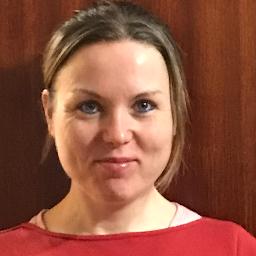
Joseph Shepherd
BACP
3 years in practice
Client-centred counsellor for life changes
- Stress, Anxiety
- Self esteem
- Career
UK counselling directory
2,905 counsellors list coping with life changes among the things they work with. All offer sessions online, and every profile shows the registering body, the membership number and when it runs to.
Explore counsellors who specialise in coping with life changes across the UK. On this page you will find professionals who list approaches for helping with transitions such as bereavement, redundancy, relationship changes and relocation. Browse the listings below to compare counsellor focus areas, approaches, credentials and languages.
BACP
3 years in practice
Client-centred counsellor for life changes
BACP
3 years in practice
Calm, practical support for anxiety and grief
BACP
16 years in practice
Person-centred counsellor for trauma and change
BACP
4 years in practice
Practical counsellor for everyday struggles
BACP
5 years in practice
Supportive counsellor for stress and relationships
BACP
6 years in practice
Warm client-centred counsellor for life changes
BACP
7 years in practice
Compassionate practical counselling for life challenges
BACP
5 years in practice English, Persian
Helping people find clearer steps forward
BACP
5 years in practice
Calm integrative counselling for adults
BACP
8 years in practice
Calm, flexible counselling for everyday struggles
BACP
5 years in practice English, Bengali
Experienced relational counsellor for life changes
BACP
5 years in practice
Experienced UK psychotherapist offering practical support
BACP
3 years in practice
Practical counselling for stress and relationships
BACP
8 years in practice
Supportive counsellor for stressful life changes
6 years in practice
Supportive client-centred counsellor
BACP
6 years in practice
Practical, down-to-earth counselling and coaching
BACP
10 years in practice
Integrative, relationship-focused counsellor
BACP
6 years in practice English, Punjabi
Calm, practical support for everyday struggles
BACP
3 years in practice
Practical support for stress and life changes
BACP
6 years in practice English, Thai
Practical, culturally aware counselling for adults
BACP, NCPS
10 years in practice
Straight-talking person-centred counsellor
BACP
22 years in practice
Experienced BACP counsellor for life changes
BACP
18 years in practice English, German
Attachment-focused counsellor with psychodynamic insight
BACP
11 years in practice
Compassionate counsellor helping people find steady change
BACP
4 years in practice
Supportive counsellor for life changes and relationships
22 years in practice English, Ndebele, South
Experienced counsellor for life’s hard moments
BACP
3 years in practice
Compassionate person-centred counsellor
BACP
10 years in practice English, Portuguese
Thoughtful Jungian-informed psychotherapy
BACP
7 years in practice English, Russian
Kind, practical counsellor focused on relationships
5 years in practice
Compassionate counsellor for life changes
BACP
6 years in practice
Compassionate counsellor for everyday struggles
BACP
12 years in practice
Practical, person-focused counselling and support
BACP
12 years in practice English, Spanish
Calm, practical support for life changes
BACP
14 years in practice English, Russian
Compassionate counsellor for recovery and change
BACP
3 years in practice
Practical, compassionate support for everyday struggles
BACP
4 years in practice
Experienced BACP counsellor for everyday challenges
10 years in practice English, Portuguese
Compassionate counsellor for life’s difficult moments
BACP
14 years in practice
Understanding therapy that fits your life
BACP
20 years in practice
Compassionate psychodynamic counsellor for life changes
BACP
8 years in practice English, Hindi
Empathic counsellor with practical tools
BACP
23 years in practice
Calm, practical counselling for everyday struggles
BACP
6 years in practice
Supportive counsellor using mixed therapeutic approaches
BACP, NCPS
18 years in practice English, Spanish
Experienced counsellor for life transitions
BACP, NCPS
4 years in practice
Practical, collaborative counselling for life challenges
BACP
3 years in practice
Gentle, practical support for life change
3 years in practice
A person-centred counsellor who listens deeply
BACP
5 years in practice
Practical, person-centred support for life challenges
BACP
5 years in practice
Compassionate person-centred counsellor
Some links on this page are partner links. We will earn a commission if you sign up through one, at no cost to you.
Life changes can arrive gradually or suddenly, and you may find that even welcome transitions create strain. Coping with life changes covers the emotional and practical work that follows events such as bereavement, the end of a relationship, becoming a parent, career shifts, retirement, health changes or a move to a new area. These moments often prompt questions about identity, routine and values, and you may notice changes in mood, appetite, sleep or motivation as you adjust.
When you face a major transition you are likely to experience a mixture of emotions - relief, grief, anxiety, hope, confusion or frustration - sometimes all at once. Those feelings can affect how you relate to others and how you see your plans for the future. The experience of change is also shaped by practical demands, such as new responsibilities or financial pressures, and by the support that you can draw on from family, friends and community. Counselling can provide a steady place to explore what the change means for you and to develop coping strategies that fit your circumstances.
You may be wondering whether counselling would help. There is no single threshold, but some signs suggest you could benefit from talking with a counsellor. If you find yourself feeling stuck - unable to make decisions you used to manage - or if sleeplessness, low mood or persistent worry are interfering with daily tasks, it may be time to reach out. You might notice withdrawing from social contact, increased reliance on alcohol or other behaviours that trouble you, or repeated thoughts about a past life that make it hard to move forward.
Periods of prolonged grief, difficulties adjusting to a new role such as carer or parent, or a sense that your identity has shifted in ways you did not expect are also common reasons people seek help. Counselling can offer a place to make sense of mixed emotions, learn practical skills to manage stress and restore a degree of balance while you navigate practical decisions and emotional change.
When you begin counselling for life changes, the initial meetings are often about understanding your situation and priorities. You and the counsellor will explore the particular stresses you are facing, the goals you want to work towards and any immediate needs for practical planning or emotional relief. Sessions typically focus on the present moment and on ways to manage day-to-day challenges, while also allowing space to reflect on the meaning of the change and how it relates to your past and hopes for the future.
Therapy may include working on practical strategies such as sleep hygiene, problem-solving and pacing your commitments, as well as exploring emotions and unhelpful patterns of thinking or behaviour. You can expect a collaborative approach where you set the pace and your counsellor supports you to try different ways of responding. Some people use counselling for a few focused sessions to navigate a clear decision, while others find longer-term work helpful in reshaping life plans and rebuilding a sense of direction.
Therapists who list cognitive-behavioural approaches among their methods may focus on identifying patterns of thinking and behaviour that make adjustment harder. In this work you often learn practical skills to challenge unhelpful thoughts, manage anxiety and build routines that support wellbeing. These tools can help you tackle specific problems such as sleep disruption or decision paralysis that often accompany major transitions.
Therapists who list person-centred approaches emphasise a non-directive, empathetic relationship that helps you explore your experience at your own pace. This can be useful when you need compassionate space to untangle complex feelings about identity, loss or new responsibilities. The focus is on your perspective and on building resilience from your own values and strengths.
Therapists who list narrative approaches help you examine the stories you tell about yourself and the change you are living through. By re-framing or expanding those stories you can find new possibilities and meanings that make adjustment feel more manageable. This type of work can be particularly helpful when a change challenges the way you see your past or future.
Therapists who list acceptance-based or mindfulness approaches support you in making room for difficult emotions while still acting in line with your values. This can reduce the urge to avoid painful feelings and help you stay present when change feels overwhelming. Therapists who list emotion-focused work may help you identify and process feelings that have been hard to access, making it easier to move through the stages of adjustment.
When a life change affects more than one person - for example, separation, relocation or caring responsibilities - therapists who list systemic or family approaches may work with relationships and patterns that influence how everyone adapts. This can help you navigate practical role changes and communication challenges that arise during transitions.
Online counselling offers flexible ways to meet with a counsellor and can be particularly convenient when a life change affects your routine or mobility. Sessions usually take place by video call, telephone or text-based messaging, and many people find that being able to attend from home or another familiar place reduces the barriers to starting work. If you choose online work, you should check that you have a comfortable environment and a reliable internet connection for video sessions. Some counsellors offer a mixture of online and in-person work where location allows.
When choosing a counsellor for life changes, look beyond the platform and focus on professional criteria that matter to you. Consider counsellors who list experience with the particular transition you are facing and who describe approaches that align with how you prefer to work - whether you want practical skills, reflective exploration or relationship-focused sessions. Check for registration with recognised bodies such as BACP or HCPC, and note whether the counsellor lists additional qualifications or languages that are important to you. It can be helpful to read a counsellor's profile to learn about their focus areas, whether they have experience working with similar issues, and how they describe their therapeutic stance.
Practical questions to guide your decision include session length and frequency, typical goals in early sessions, fee structure and cancellation terms. Many people find it useful to contact a counsellor with a short message to ask about their approach and whether their way of working feels like a match for your needs. Trust your impression - feeling comfortable and heard in the first few conversations is an important part of beginning the work.
Ultimately, coping with life changes is a personal process. Counselling can offer structure, perspective and strategies as you adapt, and choosing a counsellor whose approach and registration align with your needs can make the process clearer and more manageable. Take your time to read profiles, consider the practical arrangements that suit your life, and choose a counsellor who you feel might help you find a way forward.