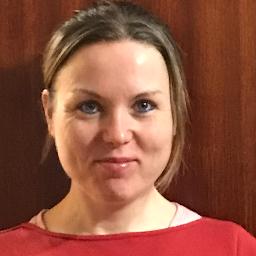
Joseph Shepherd
BACP
3 years in practice
Client-centred counsellor for life changes
- Stress, Anxiety
- Self esteem
- Career
UK counselling directory
3,438 counsellors list stress & anxiety among the things they work with. All offer sessions online, and every profile shows the registering body, the membership number and when it runs to.
This page helps you explore counsellors and therapists who specialise in stress and anxiety. Use the listings below to review approaches, experience and registration before contacting someone who seems right for you.
BACP
3 years in practice
Client-centred counsellor for life changes
BACP
3 years in practice
Calm, practical support for anxiety and grief
BACP
4 years in practice
Practical counsellor for everyday struggles
BACP
5 years in practice
Supportive counsellor for stress and relationships
BACP
6 years in practice
Warm client-centred counsellor for life changes
BACP
7 years in practice
Compassionate practical counselling for life challenges
BACP
4 years in practice
Practical support for stress and trauma recovery
BACP
5 years in practice English, Persian
Helping people find clearer steps forward
BACP
5 years in practice
Calm integrative counselling for adults
BACP
8 years in practice
Calm, flexible counselling for everyday struggles
BACP
3 years in practice
Understanding support for stress and trauma
BACP
5 years in practice
Experienced UK psychotherapist offering practical support
BACP
3 years in practice
Practical counselling for stress and relationships
BACP
8 years in practice
Supportive counsellor for stressful life changes
BACP
15 years in practice
Experienced counsellor focused on stress and family concerns
BACP
10 years in practice English, Spanish
Experienced counsellor for anxiety and trauma
BACP
5 years in practice
Person-centred counsellor for everyday struggles
6 years in practice
Supportive client-centred counsellor
BACP
6 years in practice
Practical, down-to-earth counselling and coaching
BACP
10 years in practice
Integrative, relationship-focused counsellor
BACP
6 years in practice English, Punjabi
Calm, practical support for everyday struggles
BACP
6 years in practice
Warm, person-focused counselling for identity and stress
BACP
3 years in practice
Practical support for stress and life changes
BACP
6 years in practice English, Thai
Practical, culturally aware counselling for adults
BACP, NCPS
10 years in practice
Straight-talking person-centred counsellor
BACP
22 years in practice
Experienced BACP counsellor for life changes
BACP
18 years in practice English, German
Attachment-focused counsellor with psychodynamic insight
BACP
11 years in practice
Compassionate counsellor helping people find steady change
BACP
6 years in practice
Calm, practical counselling for everyday struggles
BACP
3 years in practice
Calm, creative integrative counsellor
BACP
4 years in practice
Supportive counsellor for life changes and relationships
22 years in practice English, Ndebele, South
Experienced counsellor for life’s hard moments
BACP
3 years in practice
Compassionate person-centred counsellor
BACP
10 years in practice English, Portuguese
Thoughtful Jungian-informed psychotherapy
BACP
7 years in practice English, Russian
Kind, practical counsellor focused on relationships
5 years in practice
Compassionate counsellor for life changes
BACP
6 years in practice
Compassionate counsellor for everyday struggles
BACP
12 years in practice
Practical, person-focused counselling and support
BACP
12 years in practice English, Spanish
Calm, practical support for life changes
BACP
14 years in practice English, Russian
Compassionate counsellor for recovery and change
BACP
3 years in practice
Practical, compassionate support for everyday struggles
BACP
4 years in practice
Experienced BACP counsellor for everyday challenges
10 years in practice English, Portuguese
Compassionate counsellor for life’s difficult moments
BACP
14 years in practice
Understanding therapy that fits your life
BACP
20 years in practice
Compassionate psychodynamic counsellor for life changes
BACP
3 years in practice
Practical, person-focused counselling for everyday struggles
BACP
8 years in practice English, Hindi
Empathic counsellor with practical tools
BACP
23 years in practice
Calm, practical counselling for everyday struggles
Some links on this page are partner links. We will earn a commission if you sign up through one, at no cost to you.
Stress and anxiety are natural responses to pressure and threat, but they can become persistent and disruptive when they go beyond short-term reactions. Stress is often linked to external demands such as work, money, relationships or major life changes, and it can show up as feeling overwhelmed, tired or unable to concentrate. Anxiety more typically involves persistent worry, heightened alertness and a tendency to imagine worst-case scenarios. Both can affect how you sleep, eat and relate to others and can influence your physical sensations - such as tension, headaches or an accelerated heartbeat - even though they are not medical conditions in themselves.
How these experiences feel will vary from person to person. You might notice that your thoughts become repetitive, your behaviour changes to avoid certain situations, or your mood becomes more restricted. These changes can affect your performance at work and your relationships, and they can reduce enjoyment of everyday activities. Recognising that what you are experiencing is a pattern rather than a permanent state is an important step toward finding ways to manage it effectively.
If you find that worry or stress is taking up a large portion of your day, or that it is shaping choices you make, therapy may help you explore the causes and learn practical ways to respond. You might be struggling with ongoing sleep problems, frequent panic or intense worry that interferes with concentration and decision-making. You may notice avoidance - stepping back from social situations, work tasks or responsibilities because of fear or overwhelm. Others experience changes in mood, irritability or a sense of being on edge most of the time.
Therapy can also be helpful if you have tried self-help techniques and found them only partly effective, or if you would like a more personalised approach. You do not need to be in crisis to benefit from talking therapies; many people come to therapy to build resilience, develop coping strategies and gain a clearer understanding of triggers and patterns. If your symptoms are making everyday life harder or limiting what you want to do, seeking professional support can offer new ways to manage and respond.
When you start therapy for stress and anxiety, your counsellor or therapist will typically begin by asking about your current difficulties, personal history and what you hope to achieve. Early sessions are usually focused on building rapport and creating a shared understanding of the patterns that maintain your symptoms. You and the practitioner will explore specific situations that trigger stress or anxiety and identify thoughts, emotions and behaviours that follow. This collaborative assessment helps shape a tailored plan for the work ahead.
Therapy sessions often blend talking with practical exercises. You can expect to practise breathing and grounding techniques, explore ways to challenge unhelpful thoughts and trial behavioural experiments between sessions. Some people use written reflections or mood logs to track progress and spot patterns. The pace of therapy is guided by your needs - some people prefer a brief time-limited programme centred on symptom reduction, while others opt for longer-term work that explores underlying issues linked to recurring anxiety. Throughout the process, a therapist will support you to set meaningful goals and review progress so that you can measure changes in how you feel and function.
There are several recognised approaches that counsellors and therapists may use when working with stress and anxiety. Cognitive behavioural approaches are commonly listed by practitioners and focus on the relationship between thoughts, feelings and behaviour. These approaches often include structured techniques to identify and reframe unhelpful thought patterns, alongside behavioural steps to reduce avoidance and build confidence in facing feared situations.
Acceptance-based approaches are also widely used and encourage a different relationship to difficult thoughts and feelings - you learn to make room for them without letting them dictate your actions. Mindfulness-based methods emphasise present-moment awareness and practical exercises that reduce reactivity. Other therapists may draw on psychodynamic ideas to explore how past experiences influence current patterns, or on interpersonal approaches to examine how relationships contribute to stress. You will also find therapists who list specialised techniques such as trauma-focused methods among their approaches. It is useful to look at the range of approaches a practitioner lists so you can choose someone whose way of working fits your preferences and goals.
Online therapy has become a common way to access support for stress and anxiety. Sessions can take place by video call, telephone or written messaging, depending on what the therapist offers and what you prefer. Video and phone sessions mirror in-person contact in many ways - you have a scheduled time to talk, the opportunity to work through worries and practical strategies, and regular review of goals. Messaging can be helpful for ongoing check-ins or for people who find live conversation difficult, although this format is different in pace and style from live sessions.
When using online therapy, think about where you will sit so that you have a calm environment and sufficient privacy. Consider the technology you will use and whether you need headphones to reduce distractions. It can help to agree with your therapist how to handle missed sessions and what to do in an emergency. If you are located in the UK, many therapists list registration with professional bodies such as the BACP, HCPC or NCPS on their profiles. Checking registration gives you information about recognised professional standards and complaints procedures - it does not replace an initial conversation, but it can help you understand the professional framework within which a practitioner works.
Choosing a counsellor is a personal decision and there are several things you can weigh up to find someone who fits your needs. Start by reading profiles to learn about the issues practitioners specialise in, the approaches they list and the kinds of clients they usually work with. Many therapists will note if they have particular experience with workplace stress, health anxiety, panic or bereavement-related anxiety, which can help you match focus areas to your concerns. Look at their stated qualifications and whether they are registered with professional bodies such as the BACP, HCPC or NCPS.
Consider practical factors such as what languages they offer, whether they work online, how long sessions typically last and their general fees. Think about the tone of their profile and whether it feels like a practitioner who would be empathetic and approachable for you. An initial contact message can be used to ask about their approach to stress and anxiety, what a typical course of work might involve and how they personalise treatment to suit your priorities. Trust your sense of whether you felt heard and understood during that initial exchange, as the therapeutic relationship is one of the strongest predictors of helpful outcomes.
Finally, remember that it is reasonable to change your mind if a particular therapist does not feel like the right fit. Therapy is a collaborative process and finding the right match can make a significant difference to how effectively you manage stress and anxiety. Use the listings below to compare approaches, registration and areas of focus so you can make an informed choice and begin work that feels appropriate for your situation.