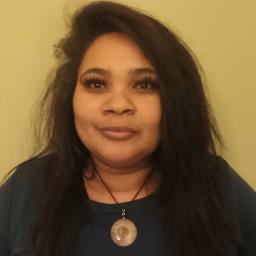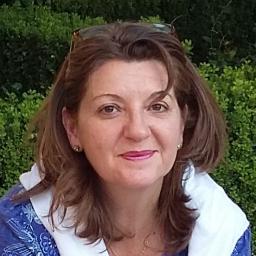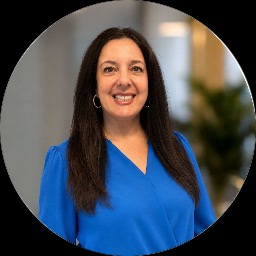
Maria Van Vreden
BACP
10 years in practice English, Spanish
Experienced counsellor for anxiety and trauma
- Stress, Anxiety
- Family
- Trauma and abuse
UK counselling directory
47 counsellors in this directory name Spanish among the languages they offer sessions in.
Accessing therapy in Spanish can help you express thoughts and feelings with greater nuance and comfort in your native language. Browse the Spanish-speaking therapists listed below to view profiles, approaches and cultural experience as you begin your search.
BACP
10 years in practice English, Spanish
Experienced counsellor for anxiety and trauma
BACP
12 years in practice English, Spanish
Calm, practical support for life changes
BACP, NCPS
18 years in practice English, Spanish
Experienced counsellor for life transitions
BACP
3 years in practice English, Spanish
A calm, person-centred counsellor
BACP
8 years in practice English, Spanish
Practical, compassionate counselling for life challenges
BACP
20 years in practice English, Spanish
A steady, practical counsellor for life changes
4 years in practice English, Spanish
Calm practical support for emotional struggles
BACP
4 years in practice English, Spanish
Calm, person-centred support for practical change
BACP
6 years in practice English, Spanish
Practical support for anxiety and relationships
BACP
4 years in practice English, Spanish
Person‑centred counsellor for trauma and relationships
BACP
9 years in practice English, Spanish
Practical, compassionate counselling for adults
BACP
11 years in practice English, Spanish
Transcultural Person-Centred counsellor
BACP
5 years in practice English, Spanish
Warm counsellor for relationship and trauma concerns
3 years in practice English, Spanish
A person-centred counsellor who listens
BACP
3 years in practice English, Spanish
Helping people manage stress and relationships
BACP
3 years in practice English, Spanish
Supportive counsellor helping people find clarity
BACP
3 years in practice English, Spanish
Person-centred counsellor for anxiety and trauma
BACP
9 years in practice English, Spanish
Calm practical therapy for life transitions
3 years in practice English, Spanish
Compassionate counsellor for practical change
BACP
4 years in practice English, Spanish
Gentle depth work for people seeking meaning
BACP
19 years in practice English, Spanish
Experienced bilingual counsellor for life changes
BACP
12 years in practice English, Spanish
Compassionate counsellor focusing on relationships and wellbeing
BACP
13 years in practice English, Spanish
Integrative counsellor focused on practical change
BACP
3 years in practice English, Spanish
Compassionate counsellor focused on practical change
BACP
10 years in practice English, Spanish
Warm counsellor for life changes
9 years in practice English, Spanish
Experienced psychodynamic counsellor with trauma focus
BACP
4 years in practice English, Spanish
Supportive bilingual counsellor with practical experience
BACP
10 years in practice English, Spanish
Compassionate counsellor for relationship and life challenges
BACP
6 years in practice English, Spanish
Person-focused counsellor for stress and relationships
BACP
22 years in practice English, Spanish
Experienced addiction and relationship counsellor
BACP
20 years in practice English, Spanish
Experienced bilingual counsellor for life challenges
BACP
9 years in practice English, Spanish
Practical support for stress, trauma and change
BACP
20 years in practice English, Spanish
Practical, bilingual counselling for everyday life
BACP
3 years in practice English, Spanish
Practical online counselling for stress and relationships
BACP
4 years in practice English, Spanish
Relational, practical therapy for adults
BACP
3 years in practice English, Spanish
Compassionate practical therapy for emotional overwhelm
BACP
5 years in practice English, Spanish
A respectful, adaptable counsellor for life changes
BACP
10 years in practice English, Spanish
Gentle, practical counselling for life’s hard moments
BACP
8 years in practice English, Spanish
Gentle, creative counselling for loss and anxiety
BACP
5 years in practice English, Spanish
Calm, attentive counselling for life’s hard moments
BACP
3 years in practice English, Spanish
Calm, practical support for everyday struggles
3 years in practice English, Spanish
Support for relationship and trauma issues
BACP
3 years in practice English, Spanish
Restorative, practical counselling for difficult moments
BACP
4 years in practice English, Spanish
Practical counselling for stress and relationships
BACP
10 years in practice English, Spanish
Understanding, practical support for life challenges
BACP
5 years in practice English, Spanish
Experienced person-centred counsellor
BACP
23 years in practice English, Spanish
Experienced UK counsellor for life transitions
Some links on this page are partner links. We will earn a commission if you sign up through one, at no cost to you.
When you speak with a therapist in your native language you can draw on a richer emotional vocabulary and familiar cultural references that shape how you describe your experience. Words carry not only meaning but cultural weight and memory - idioms, expressions of affection, phrases for sorrow or shame - and these often do not translate neatly into another language. That means conversations that feel natural to you in Spanish may lose intensity or subtlety when mediated by translation or when trying to express them in a second language. For many people this makes a significant difference to the therapeutic relationship and to how comfortable you feel opening up.
Beyond vocabulary, shared language often brings shared cultural frames. A therapist who speaks Spanish may be more likely to recognise traditions, family dynamics and expectations that influence your life. That recognition can help you and the therapist build rapport more quickly and centre your cultural context within the work. Speaking the same language can also reduce the cognitive load of switching between languages during emotionally charged conversations, allowing you to focus more fully on reflection and insight.
Language barriers can reshape the content and pace of therapy. If you are working through painful memories, anxiety or grief, the precise words you reach for can change how the therapist understands your inner world. Literal translations can strip away metaphor and tone, and subtleties of humour or irony may be missed. This can lead to frustration, a sense of being misunderstood or slowed progress because you spend time clarifying wording rather than exploring meaning.
Using an interpreter or a family member to bridge language gaps is an option for some, but it brings its own challenges. An interpreter may not always convey the emotional texture of your speech, and having a relative present can make it harder to discuss intimate or sensitive topics. If language is affecting the quality of communication, you may find it harder to experience the full benefit of therapy. Choosing a therapist who speaks Spanish reduces those obstacles and helps preserve the emotional nuance of your story.
Online therapy gives you the opportunity to connect with a Spanish-speaking counsellor from anywhere in the UK. Sessions usually take place by video call, phone or text-based messaging depending on what the therapist offers and what works best for you. An initial contact will typically involve a short exchange to introduce yourselves, discuss the issues you want to explore and outline how sessions are structured, including session length and fees. Many therapists will describe their registration status, areas of focus and the types of approaches they list, so you can get a sense of their practice before arranging a first meeting.
Therapists may list a range of approaches such as cognitive behavioural therapy, psychodynamic work or EMDR among their approaches. Listing an approach does not necessarily describe formal training; it simply indicates what the therapist uses in practice. You should look for information about a therapist's registration or accreditation with recognised UK professional bodies, and read profiles to understand their experience with cultural and migration-related issues, family dynamics or bereavement in Spanish-speaking communities. Preparing a quiet, comfortable environment for sessions and checking the technology you will use helps the first few meetings run smoothly.
Cultural attitudes towards mental health vary widely across the Spanish-speaking world, and stigma can be a major barrier. You may worry about how friends or family will react if they learn you are seeing a therapist, or feel pressure to manage emotional difficulties without outside help. Concerns about cost, not recognising when to seek support and uncertainty about whether a therapist will understand your cultural background are also common. Migration, language adaptation and experiences of loss or discrimination can add layers of stress that you want a therapist to recognise and respect.
Dialect and regional differences in language can also matter. Spanish as spoken in Spain differs from the Spanish of many Latin American countries, and there are nuances in vocabulary, idiom and cultural reference that influence comfort and clarity in conversation. When searching for a therapist you may want to note whether they indicate the variety of Spanish they speak or reference particular cultural communities. This can help you find someone whose way of speaking and cultural awareness feels closest to your own experience.
Online therapy widens your access to Spanish-speaking professionals across the UK, which can be particularly helpful if you live in an area with few local Spanish-speaking therapists. It allows for more flexible scheduling and removes travel time, which can make it easier to fit sessions into a busy life. You can also take time after sessions to process feelings in your own environment, and the digital format makes it possible to connect with a therapist whose cultural perspective matches yours even if they are based in a different city.
When choosing a Spanish-speaking therapist start by reading profiles carefully. Look for clear information about registration or accreditation with UK professional bodies, areas of focus and how they describe their approach. Note whether the therapist mentions experience with issues that matter to you, such as family dynamics, migration, bereavement or trauma. Consider the variety of Spanish they speak and whether that aligns with your own way of expressing yourself. It can help to think about practical details too - session length, fee structure and how sessions are conducted - and to prepare a few questions you want to ask in an initial conversation.
Trust your instincts about cultural fit and communication style. A good match is not only about language but also about how you feel heard and respected in early conversations. You can expect the first few sessions to establish shared goals and boundaries for the work, and to set out how you will measure progress together. Taking the time to find a therapist who speaks Spanish and understands the cultural context of your life can make therapy feel more accessible and meaningful, helping you to articulate experiences with greater clarity and confidence.