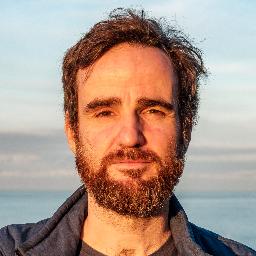
Miguel Echeverria, BACP
Miguel Echeverria welcomes people who feel stuck, overwhelmed or unsure where to turn.
About Miguel
Miguel Echeverria welcomes people who feel stuck, overwhelmed or unsure where to turn. He writes in a calm, steady way and aims to make conversations feel straightforward and human. He understands how migration and belonging can shape a life, and he speaks English and Spanish for people who prefer either language.
Miguel draws on several depth-oriented approaches to help people understand recurring patterns. He pays attention to early relationships and attachment, and looks at how past experiences shape present reactions.
Background and approach
Sessions often include storytelling, imagination and reflective questions to reach deeper meaning behind symptoms. He lived in Spain and the United States before settling in the United Kingdom, and his own recovery from depression and addiction informs his empathy. Those personal experiences led him to train in integrative transpersonal counselling and to work for a UK mental health charity alongside independent practice.
Miguel uses an individually tailored style rather than a fixed method. That might mean focusing on emotional patterns, exploring inner imagery, or attending to trauma where it matters. He aims to combine warm listening with gentle challenge so people can try new ways of relating to themselves.
People come to him for many concerns, including anxiety, depression, relationship and intimacy issues, grief, addiction, identity and questions about life purpose. He is registered with the British Association for Counselling and Psychotherapy, and he has four years of professional experience. Sessions can take place in English or Spanish and are offered online in several formats.
Miguel encourages a collaborative pace and will help people work out what feels most helpful for them.
Details from the counsellor's public professional profile · registration number listed
← Browse all counsellorsRegistration
| Body | Registration number | Expires |
|---|---|---|
| BACP | 386179 | November 2026 |
Registration details are as listed on the counsellor's public profile. You can check any number with the registering body.
Sessions and payment
Sessions are held online through our partner platform, by video, phone or messaging depending on the counsellor.
Cost Costs are shown on the partner platform before you commit. If cost is a concern, ask about reduced-fee options.
Focus areas and approaches
Everything Miguel lists on their public professional profile, in their own terms.
- Stress, Anxiety
- Family conflicts
- Self esteem
- Depression
- Coping with life changes
- Addictions
- LGBT
- Relationship issues
- Trauma and abuse
- Grief
- Intimacy-related issues
- Eating disorders
- Anger management
- Career difficulties
- Bipolar disorder
- Abandonment
- Attachment issues
- Avoidant personality
- Control issues
- Divorce and separation
- Emptiness
- Family of origin issues
- Family problems
- Forgiveness
- Guilt and shame
- Isolation / loneliness
- Life purpose
- Men's issues
- Midlife crisis
- Narcissism
- Process addiction (porn, exercise, gambling)
- Self-love
- Sex addiction
Ways of working Miguel names
- Attachment-Based Therapy
- Client-Centred Therapy
- Jungian Therapy
- Psychodynamic Therapy
- Trauma-Focused Therapy
- Internal Family Systems
Naming an approach is not evidence of training in it. This directory copies what each counsellor lists and does not check training records.
Working with depth and attachment online
Miguel often draws on Attachment-Based Therapy to look at how early relationships shape current patterns of relating. This approach helps when people feel anxious, clingy, avoidant or repeatedly hurt in relationships by tracing how those behaviours began.He also uses Psychodynamic and Jungian ideas to explore underlying themes, recurring dreams and symbolic material. These perspectives aim to surface unconscious patterns so people can make different choices and feel more integrated in their daily life.
Choosing the right approach is a shared process. Miguel will talk with each person about their goals and preferences, and together they decide whether to focus on attachment patterns, inner imagery, trauma work or a mix of these methods. He adapts his way of working as the therapy progresses to meet changing needs.
Online therapy offers practical flexibility. Video calls let you work face to face when deeper connection helps. Phone sessions can be a good alternative when bandwidth is limited or you prefer not to be on camera. Live chat and text-based messaging provide shorter, real-time check-ins or ongoing written reflection between sessions. These options make it easier to fit therapy around work, family life and travel while maintaining continuity with a registered professional.
Frequently asked
What sorts of problems does Miguel help with?
Miguel works with concerns such as stress, anxiety, depression, addiction and grief. He also supports people with relationship and intimacy issues, identity or LGBT matters, career questions and life transitions.
What is his therapeutic style like?
He uses a depth-oriented, client-centred approach that encourages storytelling and imagination. Sessions combine attentive listening with reflective questioning to uncover patterns and meaning.
What background does he bring to therapy?
He trained in integrative transpersonal counselling and has four years of professional practice. His personal experience of recovery from depression and addiction informs his empathetic approach.
Where is he based and what accreditation does he hold?
Miguel works in the United Kingdom and is registered with the British Association for Counselling and Psychotherapy (BACP).
Can I have sessions in a language other than English?
Sessions are offered in English and Spanish to support speakers of either language. He also accepts clients from other countries.
Which session formats are available?
He offers video calls, phone sessions, live chat and text-based messaging to give flexibility for different needs and schedules.
How much do sessions cost?
Cost varies with location and therapist availability; sessions use a subscription model that can be cancelled at any time.
How do I begin working with him?
Start by selecting the Start Therapy button, completing a short matching questionnaire, and then scheduling sessions according to the therapist's availability.
More counsellors who work with Stress, Anxiety
See all
Joseph Shepherd
BACP
3 years in practice
Client-centred counsellor for life changes
- Stress, Anxiety
- Self esteem
- Career

Adelle Liggitt
BACP
3 years in practice
Calm, practical support for anxiety and grief
- Stress, Anxiety
- Relationship
- Grief
Mike Kelly
BACP
4 years in practice
Practical counsellor for everyday struggles
- Stress, Anxiety
- Relationship
- Grief