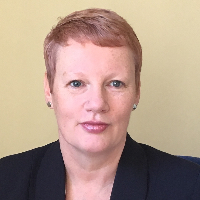
Joseph Shepherd
BACP
3 years in practice
Client-centred counsellor for life changes
- Stress, Anxiety
- Self esteem
- Career
UK counselling directory
2,213 counsellors list divorce among the things they work with. All offer sessions online, and every profile shows the registering body, the membership number and when it runs to.
On this page you will find counsellors and therapists who specialise in divorce, separation and related family issues. Use the listings below to review different approaches, experience and registration so you can choose someone who feels like a good match. Browse profiles to learn more about how each counsellor describes their work and focus.
BACP
3 years in practice
Client-centred counsellor for life changes
BACP
5 years in practice
Supportive counsellor for stress and relationships
BACP
6 years in practice
Warm client-centred counsellor for life changes
BACP
7 years in practice
Compassionate practical counselling for life challenges
BACP
5 years in practice
Calm integrative counselling for adults
BACP
5 years in practice English, Bengali
Experienced relational counsellor for life changes
BACP
3 years in practice
Practical counselling for stress and relationships
BACP
10 years in practice English, Spanish
Experienced counsellor for anxiety and trauma
6 years in practice
Supportive client-centred counsellor
BACP
10 years in practice
Integrative, relationship-focused counsellor
BACP
6 years in practice English, Punjabi
Calm, practical support for everyday struggles
BACP
3 years in practice
Practical support for stress and life changes
BACP
6 years in practice English, Thai
Practical, culturally aware counselling for adults
BACP, NCPS
10 years in practice
Straight-talking person-centred counsellor
BACP
22 years in practice
Experienced BACP counsellor for life changes
BACP
18 years in practice English, German
Attachment-focused counsellor with psychodynamic insight
BACP
6 years in practice
Calm, practical counselling for everyday struggles
BACP
4 years in practice
Supportive counsellor for life changes and relationships
22 years in practice English, Ndebele, South
Experienced counsellor for life’s hard moments
BACP
3 years in practice
Compassionate person-centred counsellor
BACP
10 years in practice English, Portuguese
Thoughtful Jungian-informed psychotherapy
BACP
7 years in practice English, Russian
Kind, practical counsellor focused on relationships
5 years in practice
Compassionate counsellor for life changes
BACP
12 years in practice English, Spanish
Calm, practical support for life changes
BACP
14 years in practice English, Russian
Compassionate counsellor for recovery and change
BACP
4 years in practice
Experienced BACP counsellor for everyday challenges
10 years in practice English, Portuguese
Compassionate counsellor for life’s difficult moments
BACP
14 years in practice
Understanding therapy that fits your life
BACP
20 years in practice
Compassionate psychodynamic counsellor for life changes
BACP
23 years in practice
Calm, practical counselling for everyday struggles
BACP, NCPS
18 years in practice English, Spanish
Experienced counsellor for life transitions
BACP, NCPS
4 years in practice
Practical, collaborative counselling for life challenges
BACP
12 years in practice
Calm, attachment-focused counsellor
BACP, NCPS
8 years in practice
Compassionate, practical counselling for emotional strain
BACP
3 years in practice
Gentle, practical support for life change
BACP
3 years in practice English, Bengali
Calm practical therapy for everyday struggles
BACP
7 years in practice English, Polish
Experienced counsellor for trauma and life change
BACP
5 years in practice
Practical, empathetic counselling for everyday struggles
BACP
6 years in practice
Practical, person-first counselling for everyday struggles
BACP
20 years in practice
Experienced counsellor blending insight and action
BACP
5 years in practice
Person-centred counsellor focused on relationships and change
BACP, NCPS
6 years in practice
Compassionate, practical counselling support
BACP, NCPS
10 years in practice
Humanistic counsellor helping people make clearer choices
BACP
5 years in practice
Calm, practical support for everyday struggles
BACP
20 years in practice
Practical counselling for stress and life change
BACP
5 years in practice
Calm, practical counselling for life’s hard moments
BACP
3 years in practice English, Portuguese
Experienced counsellor focusing on stress and trauma
BACP
5 years in practice
Practical, respectful counselling for life challenges
Some links on this page are partner links. We will earn a commission if you sign up through one, at no cost to you.
Divorce is a legal and personal transition that often brings a mixture of relief, grief, uncertainty and practical pressure. You may be dealing with changes to your day-to-day life, finances and family arrangements, while also navigating strong emotions such as anger, sadness, shame or guilt. Many people find that the emotional work does not stop when paperwork is signed - feelings can arise at anniversaries, when making new decisions or when adapting to co-parenting arrangements.
How divorce affects you will depend on your past experiences, the length and nature of the relationship, whether there are children involved and the level of conflict. Some people notice physical symptoms such as disrupted sleep, changes in appetite or heightened anxiety. Others find their confidence or sense of identity shaken. It is common to revisit questions about trust, intimacy and future relationships as part of the separation process. You are not alone in finding the emotional landscape complex and unpredictable.
Practical matters - housing, finances and caring responsibilities - often interact with emotional responses, making decisions feel overwhelming. You may need to make practical adjustments while also processing loss. Therapy can help you create a clearer mental space to weigh options, understand patterns from the past and build coping strategies for the immediate challenges of separation. Many people discover that working through emotions and planning practical steps at the same time reduces the sense of being paralysed by the situation.
If you are unsure whether counselling is right for you, there are several signs that suggest it could help. You might be feeling stuck - replaying the same arguments or regrets, or noticing persistent low mood that affects your ability to function. Relationship breakdown can bring recurring intrusive thoughts, heightened stress or difficulty sleeping, which interfere with daily life. If you find yourself withdrawing from friends and family or using alcohol or other behaviours to numb difficult feelings, support can offer alternatives and a different perspective.
People also seek counselling when they want to protect their children from conflict, but are unsure how to manage conversations and arrangements. You may want to work towards calmer co-parenting, learn how to set boundaries with an ex-partner, or make decisions in a way that minimises harm to everyone involved. Counselling can be helpful whether you are at the start of separation, mid-process or adjusting after proceedings have ended.
It is common to delay seeking help because you think feelings should fade over time. However, if emotions are interfering with work, relationships or your sense of self, professional support can provide tools to move forward. You do not need to be in crisis to benefit from counselling - many people use it to build resilience and practical plans, while others turn to it for more intensive support during particularly difficult periods.
In the first few sessions you can expect a counsellor to ask about your current situation, your goals and what you hope to change. This initial time is about understanding your story - including practical details such as living arrangements, children and legal steps - and how these intersect with your emotional needs. You and your counsellor can agree on the focus for sessions, whether that is processing grief, improving communication, managing anger or planning practical next steps.
Therapy for divorce often combines emotional exploration with pragmatic tasks. You may spend time reflecting on relationship patterns and personal triggers, practicing new ways of communicating, and developing routines to support sleep and mood. Sessions can help you rehearse difficult conversations, plan boundaries, or consider options such as mediation or family-focused interventions. Your counsellor should explain how they work and invite you to feed back if something is unhelpful.
The length and pacing of therapy varies according to what you want to achieve. Some people prefer short-term focused work to get through a particular phase, while others find more open-ended therapy helpful to rebuild a sense of self over time. You should expect a collaborative approach where goals are reviewed as you progress. If you have children, sessions may also include discussion of parenting strategies that protect their wellbeing during and after separation.
There is no single way to approach counselling for divorce, and different counsellors describe their work using a range of modalities. Some counsellors emphasise exploring emotions and relationship history in a psychodynamic or person-centred frame, which can help you understand recurring patterns. Others focus on problem-solving and skills-building, using approaches that help you manage anxiety, restructure unhelpful thinking and develop practical coping strategies.
You will also find counsellors who work with relational models aimed at improving communication between partners or enabling safer conversations about co-parenting. Where trauma is present, some counsellors mention techniques that aim to reduce the impact of distressing memories; you will see descriptors such as therapists who list EMDR among their approaches, or those who reference trauma-informed care. These phrases indicate approaches that a counsellor uses, but not a professional guarantee of specific training or outcomes.
Choosing an approach often depends on what you hope to achieve. If you want to process grief and understand long-standing patterns, an approach that explores feelings and narrative may suit you. If you need practical strategies to manage anxiety or to negotiate arrangements, a skills-based approach can be helpful. Many counsellors combine elements from different traditions, and browsing profiles will help you find someone whose described methods align with your priorities.
Online therapy has become a common way to access divorce counselling in the UK. Sessions run over video, phone or messaging depending on the counsellor's methods and your preferences. Remote work can make it easier to fit counselling around work and caring responsibilities, and it allows you to access counsellors across different regions. You should choose a setting where you can speak without interruption, and discuss with the counsellor how you will handle sensitive topics and follow-up if you need immediate support between sessions.
When choosing a counsellor, look at several factors rather than availability alone. Read how a counsellor describes their focus - some emphasise support for co-parenting arrangements, others specialise in the emotional aftermath of separation. Check professional registration - many counsellors on this site are registered with the BACP, HCPC or NCPS - and note whether they offer work in languages you prefer. Consider practical questions such as session length and whether they use video, phone or written communication.
Trust your response to a counsellor's profile and initial contact. A good match is often about how safe and understood you feel during an introductory exchange. Ask about the counsellor's approach to topics you care about, for example how they work with co-parenting conflict or how they support someone experiencing high anxiety. Be clear about any constraints you have - such as caring duties or accessibility needs - and enquire how the counsellor manages boundaries and record-keeping. You can also ask whether they have experience working with similar situations to yours, phrased as a description of case types rather than claims of outcome.
Finding the right counsellor for divorce can feel like a practical task and an emotional one. Give yourself permission to take time, use the profiles and filters to narrow choices, and remember that seeking help is a step towards clarity and resilience as you move through this life transition.