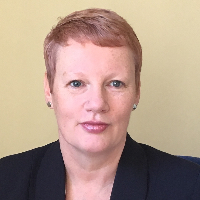
Jessica Sullivan, BACP
Jessica Sullivan is a counsellor with 20 years' experience.
About Jessica
Jessica Sullivan is a counsellor with 20 years' experience. She draws on a psychodynamic background and a brief, solution-focused style to help people make practical changes in their lives. Jessica aims to spot strengths and encourage small steps that add up to real differences.
She offers a calm, pragmatic approach. Early life experiences and attachment patterns are often discussed to understand recurring difficulties. When longer work is useful she explores how the past shapes current feelings and choices.
Background and approach
For people who want shorter-term help, she uses solution-focused methods. These sessions concentrate on clear goals, what is already working, and simple steps to move forward. This approach suits someone wanting direct, goal-oriented work alongside deeper reflection.
Jessica has experience supporting people with relationship and intimacy concerns, grief, trauma and abuse, stress and anxiety, eating and body image issues, mood disorders including depression and bipolar, and compassion fatigue. She also helps with workplace problems, caregiver stress, and the emotional impact of cancer or chronic illness.
She may use common screening tools such as GAD-7, PHQ-9, HADS or IES-R as part of an initial assessment to understand current needs. Sessions are offered in English and take place with an emphasis on what the person wants to change and how to do that in everyday life.
Details from the counsellor's public professional profile · registration number listed
← Browse all counsellorsRegistration
| Body | Registration number | Expires |
|---|---|---|
| BACP | 11023 | August 2026 |
Registration details are as listed on the counsellor's public profile. You can check any number with the registering body.
Sessions and payment
Sessions are held online through our partner platform, by video, phone or messaging depending on the counsellor.
Cost Costs are shown on the partner platform before you commit. If cost is a concern, ask about reduced-fee options.
Focus areas and approaches
Everything Jessica lists on their public professional profile, in their own terms.
- Relationship issues
- Family conflicts
- Trauma and abuse
- Grief
- Coping with life changes
- Stress, Anxiety
- LGBT
- Intimacy-related issues
- Eating disorders
- Self esteem
- Bipolar disorder
- Depression
- Coaching
- Compassion fatigue
- Abandonment
- Aging and geriatric issues
- Attachment issues
- Blended family issues
- Body image
- Cancer
- Caregiver issues and stress
- Commitment issues
- Communication problems
- Control issues
- Coping with natural or human-caused disaster
- Dependent personality
- Divorce and separation
- Domestic violence
- Eating and food-related issues
- Emptiness
- Family problems
- Forgiveness
- Guilt and shame
- Hearing impaired
- Hospice and end-of-life counselling
- Isolation / loneliness
- Life purpose
- Midlife crisis
- Money and financial issues
- Mood disorders
- Multicultural concerns
- Post-traumatic stress
- Seasonal Affective Disorder (SAD)
- Self-harm
- Self-love
- Sexual assault and abuse
- Sexuality
- Somatization
- Women's issues
- Workplace issues
Ways of working Jessica names
Naming an approach is not evidence of training in it. This directory copies what each counsellor lists and does not check training records.
How psychodynamic and solution-focused work translate online
Psychodynamic work looks at how early experiences and attachment patterns influence current feelings and relationships. Online sessions allow time to reflect on those patterns and notice recurring themes that turn up in daily life.Solution-focused work concentrates on clear goals and the small, practical steps that move someone forward. In remote sessions this can mean setting short tasks between meetings and checking progress in subsequent calls or messages.
Choosing an approach is a collaborative process. The therapist will listen to your goals and try different ways of working to find what helps. Together you decide whether to go deeper into past patterns or focus on immediate, practical changes.
Online formats give flexibility. Video calls are closest to a face-to-face conversation and suit fuller therapy sessions. Phone sessions work well if a lower bandwidth option is needed or when hands-free time is useful. Live chat and text-based messaging let people check in between sessions, send short updates, or have brief focused conversations without scheduling a full call.
Frequently asked
What kinds of problems does she help with?
She supports people with relationship and intimacy issues, trauma and abuse, grief, stress, anxiety, eating and body image concerns, bipolar and depression, and workplace difficulties.
How would you describe her therapeutic style?
Her style mixes longer-term exploration of early patterns with short-term, goal-focused work depending on the clients needs and preferences.
What experience does she bring?
She has practised for 20 years and has worked as a workplace counsellor and psychodynamic psychotherapist with a wide range of clinical issues.
Is she registered with any professional body?
She is listed with the British Association for Counselling and Psychotherapy, shown as BACP in her profile.
Which languages are sessions offered in?
Sessions are offered in English.
What formats are available for sessions?
Sessions can take place by video call, phone, live chat, or text-based messaging to suit different needs and schedules.
How are fees and payments handled?
Cost varies with location and therapist availability. Sessions are provided through a subscription that can be cancelled at any time.
How do I begin working with her?
Use the Start Therapy button, complete a short matching questionnaire, and then schedule sessions according to the therapists availability.