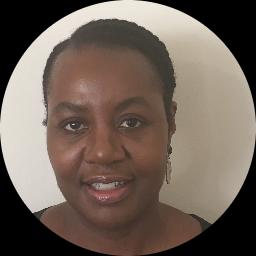
Joseph Shepherd
BACP
3 years in practice
Client-centred counsellor for life changes
- Stress, Anxiety
- Self esteem
- Career
UK counselling directory
2,809 counsellors list trauma and abuse among the things they work with. All offer sessions online, and every profile shows the registering body, the membership number and when it runs to.
On this page you will find counsellors who specialise in trauma and abuse and who list relevant approaches and experience. Browse the listings below to compare therapeutic focus, registration and languages offered.
Use the profiles to learn about each counsellor's approach and what might suit you as you look for support.
BACP
3 years in practice
Client-centred counsellor for life changes
BACP
4 years in practice
A calm, practical counsellor for relationships
BACP
16 years in practice
Person-centred counsellor for trauma and change
BACP
5 years in practice
Supportive counsellor for stress and relationships
BACP
7 years in practice
Compassionate practical counselling for life challenges
BACP
4 years in practice
Practical support for stress and trauma recovery
BACP
5 years in practice English, Persian
Helping people find clearer steps forward
BACP
5 years in practice
Calm integrative counselling for adults
BACP
8 years in practice
Calm, flexible counselling for everyday struggles
BACP
3 years in practice
Understanding support for stress and trauma
BACP
5 years in practice English, Bengali
Experienced relational counsellor for life changes
BACP
5 years in practice
Experienced UK psychotherapist offering practical support
BACP
8 years in practice
Supportive counsellor for stressful life changes
BACP
10 years in practice English, Spanish
Experienced counsellor for anxiety and trauma
BACP
5 years in practice
Person-centred counsellor for everyday struggles
6 years in practice
Supportive client-centred counsellor
BACP
10 years in practice
Integrative, relationship-focused counsellor
BACP
6 years in practice English, Punjabi
Calm, practical support for everyday struggles
BACP
6 years in practice English, Thai
Practical, culturally aware counselling for adults
BACP, NCPS
10 years in practice
Straight-talking person-centred counsellor
BACP
18 years in practice English, German
Attachment-focused counsellor with psychodynamic insight
BACP
11 years in practice
Compassionate counsellor helping people find steady change
BACP
6 years in practice
Calm, practical counselling for everyday struggles
BACP
3 years in practice
Calm, creative integrative counsellor
BACP
4 years in practice
Supportive counsellor for life changes and relationships
22 years in practice English, Ndebele, South
Experienced counsellor for life’s hard moments
BACP
3 years in practice
Compassionate person-centred counsellor
BACP
10 years in practice English, Portuguese
Thoughtful Jungian-informed psychotherapy
BACP
7 years in practice English, Russian
Kind, practical counsellor focused on relationships
5 years in practice
Compassionate counsellor for life changes
BACP
6 years in practice
Compassionate counsellor for everyday struggles
BACP
12 years in practice
Practical, person-focused counselling and support
BACP
12 years in practice English, Spanish
Calm, practical support for life changes
BACP
14 years in practice English, Russian
Compassionate counsellor for recovery and change
BACP
3 years in practice
Practical, compassionate support for everyday struggles
10 years in practice English, Portuguese
Compassionate counsellor for life’s difficult moments
BACP
14 years in practice
Understanding therapy that fits your life
BACP
3 years in practice
Practical, person-focused counselling for everyday struggles
BACP
8 years in practice English, Hindi
Empathic counsellor with practical tools
BACP
23 years in practice
Calm, practical counselling for everyday struggles
BACP
4 years in practice
Compassionate counsellor for trauma and neurodiversity
BACP
6 years in practice
Supportive counsellor using mixed therapeutic approaches
BACP, NCPS
18 years in practice English, Spanish
Experienced counsellor for life transitions
BACP, NCPS
4 years in practice
Practical, collaborative counselling for life challenges
BACP
12 years in practice
Calm, attachment-focused counsellor
BACP, NCPS
8 years in practice
Compassionate, practical counselling for emotional strain
BACP
4 years in practice
Support for trauma and relationships
BACP
5 years in practice
Practical, person-centred support for life challenges
Some links on this page are partner links. We will earn a commission if you sign up through one, at no cost to you.
Trauma and abuse cover a wide range of experiences, from single-incident events such as accidents or assaults to repeated harm such as childhood maltreatment, domestic abuse or coercive control. These experiences can leave lasting effects on how you relate to others, manage stress and understand yourself. You may notice changes in mood, disruptions to sleep, intrusive memories or an increased sense of threat in situations that did not used to feel dangerous. Some people describe feeling numb, disconnected or on edge, while others experience strong emotional reactions, flashbacks or avoidance of reminders.
Responses to trauma are highly individual. Two people can go through similar events and have very different patterns of response based on their history, supports and current circumstances. Because trauma can affect your thoughts, behaviour and relationships, it often shows up in many parts of life - at work, in family roles or in friendships. Recognising that a persistent pattern of distress may be related to past trauma is the first step towards considering therapeutic support.
You might consider seeking a counsellor if the impact of past trauma is affecting your day-to-day functioning or causing distress that you find hard to manage alone. Signs can include persistent anxiety, episodes of panic, sleep disturbance, recurring intrusive memories, nightmares, hypervigilance or avoidance of places, people or topics that remind you of the event. You may notice difficulties with trust, a tendency to withdraw from others, or repeated difficulties in relationships. Some people find that trauma shows up as increased substance use, self-harm or physical symptoms without a clear medical cause.
If you find yourself feeling overwhelmed by strong emotions, or if memories and reactions to past abuse are interfering with your ability to work, study or maintain relationships, therapy can offer a place to explore these patterns and develop new ways of coping. Counsellors who specialise in trauma and abuse can help you make sense of your responses, build resilience and identify practical steps for managing distress. It is also common to seek support for survivors of different types of abuse, including emotional, physical, sexual or institutional abuse, and for those affected by vicarious trauma through caring or professional roles.
When you begin work with a counsellor for trauma and abuse, initial sessions usually focus on building a relationship and establishing safety within the therapeutic setting. You and your counsellor will talk about what has brought you to therapy, how trauma affects you now, and what you hope to get out of counselling. Many people value having a predictable structure at first, with clear agreements about information-sharing boundaries, session length and how to manage distress if it arises during a session.
As therapy progresses you can expect a mix of listening, reflection and practical strategies tailored to your needs. Some sessions will focus on processing memories and emotions, while others will help you develop skills for managing anxiety, grounding yourself in the present and improving sleep and emotion regulation. You and your counsellor will work at a pace that feels manageable to you - some people start with stabilisation and coping skills before addressing traumatic memories in depth, while others prioritise narrative work to make sense of what happened. Throughout this process, you should feel that your experience is respected and that the pace and methods used are explained and agreed with you.
Therapists will usually help you identify common triggers and develop strategies to reduce reactivity. This might involve learning breathing or grounding techniques you can use between sessions, experimenting with different ways of responding to flashbacks, or planning for safe ways to process difficult material. You are in control of how much you disclose and when you explore particularly painful memories. The emphasis is on helping you build skills to manage emotions in the moment as well as processing the underlying impact of the trauma over time.
Counsellors working in this specialty draw on a range of therapeutic approaches. Some describe integrative methods that combine relational work with skills-based techniques. Cognitive and behavioural approaches are often used to help you understand links between thoughts, feelings and behaviour, and to practise new ways of responding to distressing memories. Many counsellors list trauma-focused therapies among their approaches, while others emphasise relational and psychodynamic work that explores meaning, attachment and identity after abuse.
There are also counsellors who mention body-oriented practices and somatic approaches among their listed methods, focusing on how trauma can be held in bodily sensations and movement. Narrative approaches can help you reframe and integrate experiences into your life story, while mindfulness-informed work supports present-moment awareness and distress tolerance. When you read profiles, you will see counsellors describing a mix of methods; this does not necessarily indicate formal accreditation in a specific modality but does indicate the ways they say they work with clients who have experienced trauma and abuse.
Online counselling offers a way to work with a counsellor remotely, using video calls, telephone or messaging. Many people find remote work more accessible because it removes travel time and allows you to meet from a familiar setting. If you choose online sessions, think about creating a comfortable environment where you can speak openly and manage moments of strong emotion. You might arrange a room where you will not be interrupted, use headphones for privacy and have a plan for how to ground yourself after intense sessions.
Online work can be adapted for trauma-focused therapy. Some counsellors who list trauma-focused approaches among their methods will use video for relational work and telephone or text for shorter check-ins. You should discuss how distress will be managed during remote sessions, including how to pause or stop a session if it becomes overwhelming and what steps to take afterwards. It is also helpful to agree on local support contacts in your area in case you need immediate in-person assistance. While remote therapy offers flexibility, your safety, comfort and clarity about boundaries are important parts of arranging online work.
When you begin searching for a counsellor, consider several factors beyond approach alone. Many people look for counsellors who are registered with professional bodies such as the BACP or the HCPC, which indicates adherence to ethical standards and professional practice. You may also want to note whether a counsellor mentions experience with particular types of trauma or with supporting people from similar backgrounds to your own. Language, cultural understanding and an awareness of diversity can be important if you want to feel fully understood in sessions.
Read profiles to get a sense of how counsellors describe their work - some emphasise skills and practical strategies, while others emphasise relational exploration and meaning-making. Think about whether you prefer a counsellor who frames their work around symptom management, one who focuses on the body-mind connection, or one who works more narratively. It can also help to consider practical factors such as session length, fees and whether the counsellor offers in-person work as well as online contact. Above all, trust your instincts about who feels respectful and attentive to your story when you first make contact.
Finding the right person to support you after trauma is a personal process. You can use the information on each profile to narrow your choices by registration, approach and areas of focus. When you contact a counsellor, you can ask about how they describe their work with trauma, what you might expect in early sessions and how they approach safety and pacing. This will help you decide whether to proceed with introductory sessions and whether a particular counsellor’s way of working feels like the right fit for you.