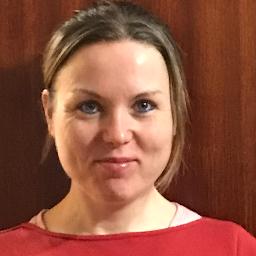
Joseph Shepherd
BACP
3 years in practice
Client-centred counsellor for life changes
- Stress, Anxiety
- Self esteem
- Career
UK counselling directory
1,887 counsellors list post-traumatic stress among the things they work with. All offer sessions online, and every profile shows the registering body, the membership number and when it runs to.
This directory page lists UK counsellors who specialise in post-traumatic stress, with profile details on approaches, professional registration and language skills. Browse the listings below to review counsellor profiles and find someone whose experience and focus match your needs.
BACP
3 years in practice
Client-centred counsellor for life changes
BACP
4 years in practice
A calm, practical counsellor for relationships
BACP
7 years in practice
Compassionate practical counselling for life challenges
BACP
4 years in practice
Practical support for stress and trauma recovery
BACP
5 years in practice English, Persian
Helping people find clearer steps forward
BACP
5 years in practice
Calm integrative counselling for adults
BACP
3 years in practice
Understanding support for stress and trauma
BACP
5 years in practice English, Bengali
Experienced relational counsellor for life changes
BACP
8 years in practice
Supportive counsellor for stressful life changes
BACP
10 years in practice English, Spanish
Experienced counsellor for anxiety and trauma
6 years in practice
Supportive client-centred counsellor
BACP
10 years in practice
Integrative, relationship-focused counsellor
BACP
6 years in practice English, Punjabi
Calm, practical support for everyday struggles
BACP, NCPS
10 years in practice
Straight-talking person-centred counsellor
BACP
6 years in practice
Calm, practical counselling for everyday struggles
22 years in practice English, Ndebele, South
Experienced counsellor for life’s hard moments
BACP
3 years in practice
Compassionate person-centred counsellor
BACP
7 years in practice English, Russian
Kind, practical counsellor focused on relationships
5 years in practice
Compassionate counsellor for life changes
BACP
12 years in practice
Practical, person-focused counselling and support
BACP
12 years in practice English, Spanish
Calm, practical support for life changes
BACP
14 years in practice English, Russian
Compassionate counsellor for recovery and change
BACP
14 years in practice
Understanding therapy that fits your life
BACP
20 years in practice
Compassionate psychodynamic counsellor for life changes
BACP
3 years in practice
Practical, person-focused counselling for everyday struggles
BACP
4 years in practice
Compassionate counsellor for trauma and neurodiversity
BACP
6 years in practice
Supportive counsellor using mixed therapeutic approaches
BACP, NCPS
18 years in practice English, Spanish
Experienced counsellor for life transitions
BACP, NCPS
4 years in practice
Practical, collaborative counselling for life challenges
BACP
12 years in practice
Calm, attachment-focused counsellor
BACP, NCPS
8 years in practice
Compassionate, practical counselling for emotional strain
BACP
4 years in practice
Support for trauma and relationships
BACP
5 years in practice
Practical, person-centred support for life challenges
BACP
7 years in practice English, Polish
Experienced counsellor for trauma and life change
BACP
7 years in practice
Person-centred counsellor for life changes
BACP
5 years in practice
Practical, empathetic counselling for everyday struggles
BACP
4 years in practice
Practical, empathic support for stress and trauma
BACP
6 years in practice
Practical, person-first counselling for everyday struggles
BACP
20 years in practice
Experienced counsellor blending insight and action
BACP
5 years in practice
Calm, practical support for everyday struggles
BACP
5 years in practice
Calm, practical counselling for life’s hard moments
BACP
10 years in practice English, Urdu
Experienced counsellor focused on practical support
BACP
5 years in practice
Practical, respectful counselling for life challenges
BACP
24 years in practice
Experienced counsellor offering steady, practical support
BACP
9 years in practice English, Russian
Calm, practical counselling with a listening approach
BACP
4 years in practice
Person-centred counsellor offering steady support
BACP
25 years in practice
Experienced counsellor helping with anxiety and relationships
BACP
23 years in practice
Experienced counsellor offering practical support
Some links on this page are partner links. We will earn a commission if you sign up through one, at no cost to you.
Post-traumatic stress is a response that can follow one or more distressing events. It does not reflect a personal failing and it can take many forms - from repeated unwanted memories and vivid flashbacks to persistent feelings of numbness or detachment. You may notice a pattern of avoidance where you steer clear of places, people or reminders connected to what happened. Some people experience heightened startle reactions, trouble concentrating, sleep disruption or intense emotional reactions to seemingly small triggers. Over time these responses can affect relationships, work and day-to-day functioning.
If you have ongoing distress after a traumatic event, you are not alone. People come to therapy for help with symptoms that interfere with daily life, for support in making sense of what happened, or to find practical ways to manage distressing memories and sensations. The path after trauma differs for everyone, and therapy aims to help you build coping skills and regain a sense of control and wellbeing.
You might consider seeking a counsellor if intrusive memories, nightmares or flashbacks interrupt your sleep or daily routine, or if you find yourself avoiding places and activities you once enjoyed. Difficulty trusting others, persistent negative beliefs about yourself or the world, and a sense of being perpetually on edge are common reasons people look for specialist help. Changes in mood, such as heightened irritability, ongoing feelings of shame or guilt, and withdrawal from friends and family can also signal that additional support would be helpful.
It can be particularly useful to contact a counsellor if symptoms are interfering with work, study or relationships, or if you have begun to use alcohol or other substances to manage distress. Therapy is not only for crisis points; many people benefit from talking things through earlier on to prevent problems from becoming more deeply entrenched. A counsellor can help you clarify goals for therapy and discuss practical steps to reduce the impact of symptoms on your daily life.
When you first meet a counsellor for post-traumatic stress, sessions usually start with an assessment to understand your experiences, current difficulties and what you hope to achieve. The counsellor may ask about the traumatic events, your reaction to them, and how these reactions affect you now. This initial work helps you and the counsellor set collaborative goals and decide on an appropriate pace of work. Many people appreciate an early focus on stabilisation - building coping strategies to manage intense emotions, improving sleep and grounding techniques to reduce distress between sessions.
Over subsequent sessions you may explore the memories and meanings attached to traumatic events at a pace that feels manageable. Some people focus on processing particular memories, while others work on adjusting unhelpful beliefs and rebuilding a sense of safety and trust. Therapy often includes practical tools you can use outside sessions, such as breathing exercises, behavioural strategies to reduce avoidance, and ways to communicate needs to others. The counsellor should discuss boundaries, session length and what to do if you experience strong reactions between appointments, helping you feel supported throughout the process.
There is no single method that fits everyone. Counsellors use a range of approaches, and many list multiple modalities on their profiles so you can see what they offer. Trauma-focused cognitive behavioural approaches often focus on identifying and changing patterns of thinking and behaviour that maintain distress, while narrative and psychodynamic-informed work can help you understand the personal meaning of traumatic events and the ways these experiences shape your sense of self.
Some counsellors list EMDR among their approaches, which is described by practitioners as a method for processing distressing memories alongside other therapeutic techniques. Other practitioners may describe body-focused or somatic approaches that attend to the physical sensations tied to traumatic memories, and group-based work can offer peer support and shared understanding. It is important to note that a mention of an approach on a profile does not necessarily indicate a particular level of training. Many people look for counsellors who also state professional registration such as BACP, HCPC or NCPS, and who describe experience working with trauma in their practice.
Online counselling has become a common way to receive support for post-traumatic stress. Sessions typically take place via video call, telephone or messaging platforms, and can offer greater flexibility in terms of location and travel. When choosing online therapy, consider whether you have a quiet, comfortable environment where you can speak openly without interruption. It can be helpful to agree with your counsellor on a plan for managing moments of high distress during or between sessions, including emergency contacts or local crisis services.
Some people find online sessions make it easier to access specialists who are not local, while others prefer face-to-face contact for particular aspects of trauma work. You should expect your counsellor to explain the technical setup and to discuss information-sharing boundaries practices and data protection as part of the initial conversations. If you are seeking a counsellor who offers both in-person and online sessions, their profile will typically set out the formats they provide and any geographical limits for in-person work.
When looking through profiles, pay attention to focus areas and the ways counsellors describe their experience with trauma. Many profiles list registration with professional bodies such as BACP, HCPC or NCPS; these details can help you assess the level of professional oversight and ethical standards a counsellor follows. Read how counsellors describe their approach and consider whether their language about trauma and recovery feels respectful and realistic for your situation.
Consider also practical factors such as session length, fees, contact methods and the languages the counsellor speaks. Look for descriptions that mention working with issues that are similar to yours - for example complex grief, assault, combat-related trauma or childhood adversity - so you can find someone whose experience aligns with your needs. It can be useful to reach out to a shortlist of counsellors to ask brief questions about their approach to trauma work and how they support people between sessions. This can help you find a good match in style and focus without relying on assumptions about a particular method or credential.
Finding the right counsellor can take time and you should feel able to change direction if a working relationship does not feel helpful. The directory listings below allow you to compare professional registration, approaches counsellors list, languages spoken and areas of focus to make an informed choice. If you are ever concerned about your immediate safety or that of someone else, contact local emergency services or crisis lines in the UK for urgent help.