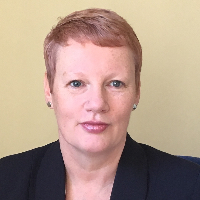
Joseph Shepherd
BACP
3 years in practice
Client-centred counsellor for life changes
- Stress, Anxiety
- Self esteem
- Career
UK counselling directory
1,472 counsellors list mood disorders among the things they work with. All offer sessions online, and every profile shows the registering body, the membership number and when it runs to.
This page lists counsellors who specialise in mood disorders in the UK, offering a range of approaches and experience. Browse the profiles below to compare qualifications, therapeutic approaches and languages spoken before viewing full listings.
BACP
3 years in practice
Client-centred counsellor for life changes
BACP
5 years in practice
Supportive counsellor for stress and relationships
BACP
7 years in practice
Compassionate practical counselling for life challenges
BACP
5 years in practice
Calm integrative counselling for adults
BACP
8 years in practice
Calm, flexible counselling for everyday struggles
BACP
5 years in practice English, Bengali
Experienced relational counsellor for life changes
BACP
5 years in practice
Experienced UK psychotherapist offering practical support
BACP
8 years in practice
Supportive counsellor for stressful life changes
BACP
10 years in practice English, Spanish
Experienced counsellor for anxiety and trauma
6 years in practice
Supportive client-centred counsellor
BACP
10 years in practice
Integrative, relationship-focused counsellor
BACP, NCPS
10 years in practice
Straight-talking person-centred counsellor
BACP
22 years in practice
Experienced BACP counsellor for life changes
BACP
6 years in practice
Calm, practical counselling for everyday struggles
22 years in practice English, Ndebele, South
Experienced counsellor for life’s hard moments
BACP
3 years in practice
Compassionate person-centred counsellor
BACP
12 years in practice
Practical, person-focused counselling and support
BACP
12 years in practice English, Spanish
Calm, practical support for life changes
BACP
14 years in practice English, Russian
Compassionate counsellor for recovery and change
BACP
14 years in practice
Understanding therapy that fits your life
BACP
3 years in practice
Practical, person-focused counselling for everyday struggles
BACP
23 years in practice
Calm, practical counselling for everyday struggles
BACP
6 years in practice
Supportive counsellor using mixed therapeutic approaches
BACP, NCPS
18 years in practice English, Spanish
Experienced counsellor for life transitions
BACP, NCPS
4 years in practice
Practical, collaborative counselling for life challenges
BACP
12 years in practice
Calm, attachment-focused counsellor
3 years in practice
A person-centred counsellor who listens deeply
BACP
7 years in practice English, Polish
Experienced counsellor for trauma and life change
BACP
5 years in practice
Calm, practical support for everyday struggles
BACP
20 years in practice
Experienced counsellor blending insight and action
BACP, NCPS
6 years in practice
Compassionate, practical counselling support
BACP, NCPS
10 years in practice
Humanistic counsellor helping people make clearer choices
BACP
5 years in practice
Calm, practical support for everyday struggles
BACP
5 years in practice
Calm, practical counselling for life’s hard moments
BACP
4 years in practice
Compassionate counselling that focuses on change
BACP
24 years in practice
Experienced counsellor offering steady, practical support
BACP
9 years in practice English, Russian
Calm, practical counselling with a listening approach
BACP
4 years in practice
Person-centred counsellor offering steady support
BACP
25 years in practice
Experienced counsellor helping with anxiety and relationships
BACP
4 years in practice
Practical, relationship-aware counselling
BACP
6 years in practice
Warm person-centred counsellor for adults
BACP
6 years in practice
Practical, person-focused counselling
BACP
5 years in practice
Calm, practical counselling for life changes
BACP
4 years in practice
Humanistic counsellor using flexible approaches
BACP
11 years in practice
Compassionate counsellor for life’s hard moments
BACP
9 years in practice English, German
Compassionate, practical support for adults
BACP
11 years in practice English, Mandarin
Calm, practical counselling for everyday struggles
BACP
19 years in practice
Experienced UK counsellor focused on trauma and resilience
Some links on this page are partner links. We will earn a commission if you sign up through one, at no cost to you.
Mood disorders is an umbrella term used to describe a range of conditions in which changes in mood - such as prolonged sadness, excessive low energy, or persistent irritability - play a central role in day-to-day functioning. You may recognise mood shifts that go beyond the normal ups and downs of life, affecting your motivation, sleep, concentration and relationships. For some people these changes appear gradually and become part of a pattern, while for others they come on more suddenly after a stressful event or health change. Because mood influences how you think, behave and relate to others, seeking support can help you better understand what is happening and identify practical steps to manage the impact.
In the UK context you will encounter counsellors from different professional backgrounds. Some will describe themselves as counsellors, psychotherapists or clinical psychologists, and many will note registration with bodies such as BACP, HCPC or NCPS. These registrations indicate that practitioners work to standards set by professional organisations, though it is still helpful to read individual profiles to understand a counsellor's focus and approach.
You may start to consider therapy when mood changes begin to interfere with the things you value. This can show up as persistent low mood that does not lift with time, ongoing feelings of hopelessness, loss of interest in previously enjoyable activities, or repeated periods of unusually elevated mood that affect decision-making. You might notice changes in sleep patterns, appetite, energy level or the ability to concentrate. Relationships can become strained as you withdraw or react differently from how you would like. For some people, mood shifts appear alongside anxiety or physical symptoms that prompt them to seek help.
Therapy is useful whether you are looking to manage symptoms, understand triggers, or develop new coping ways of responding. You do not need to have a formal diagnosis to benefit from talking to a counsellor. If you are concerned about the possibility of a mood disorder, speaking with a healthcare professional or a counsellor can help clarify next steps, including whether a referral to a GP or a specialist might be appropriate. Therapy can be part of a wider care plan that respects your preferences and circumstances.
When you first contact a counsellor you will usually be offered an initial conversation to explore whether their approach fits your needs. In early sessions the counsellor will ask about your current experience, personal history and what you hope to achieve. Together you will clarify goals for therapy and discuss practical arrangements such as session length, fees and whether meetings will take place face to face or online. The relationship you build with the counsellor is important, and you should feel able to talk about how the work is going as you progress.
Therapy often involves a mixture of exploring thoughts and feelings, learning skills to manage symptoms, and trying out different ways of relating to yourself and others. Some counsellors focus on helping you recognise patterns in thinking and behaviour, while others emphasise the role of past experiences and relationships. Progress may be gradual and you may revisit difficult material as you develop new strategies. Many people find it helpful to set clear, manageable goals so that sessions remain focused and you can notice change over time.
There is no single approach that fits everyone, and counsellors often combine methods to suit an individual's needs. Cognitive approaches are commonly described by practitioners who focus on identifying unhelpful thinking patterns and developing alternative ways of appraising situations. Interpersonal approaches concentrate on relationships and social patterns that can maintain low mood, helping you to improve communication and repair connections. Psychodynamic work explores how earlier life experiences and unconscious patterns may influence current mood and behaviour, offering insight into long-standing emotional themes.
Other counsellors may list mindfulness-based strategies, behavioural activation techniques to increase engagement in meaningful activities, or approaches that target emotional regulation. When reading profiles you will see that many practitioners list specific approaches among their ways of working; that does not automatically indicate formal accreditation in a single method, but it does signal the kinds of tools and conversations you are likely to encounter in sessions. If medication is being considered as part of treatment, that is usually managed by a GP or psychiatrist and can be discussed alongside therapy as part of a broader plan of care.
Online therapy has become a common option for people seeking support for mood disorders. Sessions can take place over video, telephone or messaging, and many counsellors work in a blended way that combines remote and face-to-face meetings. You should expect a quiet space to speak from at both ends - for example a room in your home where you will not be interrupted - and to agree with your counsellor how to manage practical issues such as what to do if a session is disrupted. Technology can make it easier to access help if travel is difficult or if you live far from specialist services, but it also requires attention to comfort and boundaries so that the work feels safe and effective for you.
Choosing the right counsellor is a personal decision and you may want to give several profiles careful reading before making contact. Look for clear information about the focus areas the counsellor lists, the approaches they describe using, and any languages they offer. Details about professional registration with organisations such as BACP, HCPC or NCPS can help you understand the standards they work to. It is reasonable to check how long they have worked with mood-related issues, though length of practice is only one factor. Consider practicalities such as session length, fee structure and whether they work online or in person in a location that suits you.
When you make first contact, you may find it helpful to ask how they structure work with mood concerns, what a typical session might involve and how they measure progress. You can also ask about safeguarding and what happens if you need additional support between sessions. Trust your sense of fit - the relationship with your counsellor matters and you should feel able to speak openly about what helps and what does not. If the first counsellor you try does not feel right, it is acceptable to look for someone whose style and experience match your needs more closely.
Finding a counsellor who understands your situation and offers approaches that feel relevant to you can be an important step in managing mood difficulties. Use the listings above to explore practitioners' profiles, note the approaches they list and their registration details, and reach out for an initial conversation with those you feel may be a good fit. With thoughtful matching and clear goals, therapy can become a constructive space for learning new ways to cope and for restoring a sense of balance in daily life.