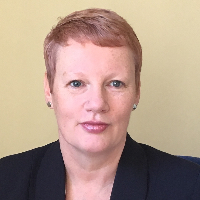
Sandra Barrett
BACP
5 years in practice
Supportive counsellor for stress and relationships
- Stress, Anxiety
- Relationship
- Grief
UK counselling directory
1,255 counsellors list money and financial issues among the things they work with. All offer sessions online, and every profile shows the registering body, the membership number and when it runs to.
If money and financial issues are affecting your wellbeing, you can find counsellors who list this specialty below. Browse the listings to compare focus areas, approaches, credentials and languages to find someone who fits your needs.
BACP
5 years in practice
Supportive counsellor for stress and relationships
BACP
5 years in practice
Calm integrative counselling for adults
BACP
5 years in practice English, Bengali
Experienced relational counsellor for life changes
6 years in practice
Supportive client-centred counsellor
BACP
6 years in practice English, Thai
Practical, culturally aware counselling for adults
22 years in practice English, Ndebele, South
Experienced counsellor for life’s hard moments
BACP
3 years in practice
Compassionate person-centred counsellor
BACP
12 years in practice English, Spanish
Calm, practical support for life changes
BACP
14 years in practice English, Russian
Compassionate counsellor for recovery and change
BACP
14 years in practice
Understanding therapy that fits your life
BACP
23 years in practice
Calm, practical counselling for everyday struggles
BACP, NCPS
18 years in practice English, Spanish
Experienced counsellor for life transitions
BACP
5 years in practice
Practical, person-centred support for life challenges
BACP
5 years in practice
Practical, empathetic counselling for everyday struggles
BACP
20 years in practice
Experienced counsellor blending insight and action
BACP, NCPS
6 years in practice
Compassionate, practical counselling support
BACP
5 years in practice
Calm, practical support for everyday struggles
BACP
20 years in practice
Practical counselling for stress and life change
BACP
3 years in practice English, Portuguese
Experienced counsellor focusing on stress and trauma
BACP
24 years in practice
Experienced counsellor offering steady, practical support
BACP
25 years in practice
Experienced counsellor helping with anxiety and relationships
BACP
11 years in practice English, Romanian
Experienced counsellor for relationship and trauma issues
BACP
5 years in practice
Calm, practical counselling for life changes
BACP
3 years in practice
Understanding, calm counselling support
BACP
11 years in practice
Compassionate counsellor for life’s hard moments
BACP
5 years in practice
Compassionate counsellor blending practical approaches
BACP
11 years in practice English, Mandarin
Calm, practical counselling for everyday struggles
BACP
3 years in practice
Calm, practical counselling for everyday struggles
BACP
3 years in practice
Calm practical support for stress and trauma
BACP, NCPS
5 years in practice
Warm person-centred counsellor using CBT and ACT
BACP
11 years in practice
Compassionate integrative counsellor for life's challenges
BACP
4 years in practice
Calm practical support for anxiety and life changes
BACP
3 years in practice
Experienced person-centred counsellor for life challenges
BACP
4 years in practice
Person-centred counsellor supporting life changes
BACP
3 years in practice
Practical, down-to-earth support for anxiety and focus issues
BACP
3 years in practice English, Mandarin
Compassionate counsellor for relationship and life changes
BACP
3 years in practice English, Central Khmer
Calm, mindful counselling with practical tools
BACP
3 years in practice English, Punjabi
Compassionate practical support for life stressors
8 years in practice
Practical, person-centred counselling for everyday struggles
BACP
18 years in practice English, Greek
Psychodynamic therapist focusing on recurring life patterns
BACP
3 years in practice
Practical, collaborative support for life’s hard moments
BACP
4 years in practice English, French
Calm, practical counselling for everyday struggles
BACP
20 years in practice
Experienced relational counsellor for life changes
BACP
4 years in practice
Calm, practical support for life’s hard moments
14 years in practice
Practical, strengths-based counselling for life change
BACP
5 years in practice
Experienced UK counsellor focused on practical support
BACP
4 years in practice English, Ndebele, South
Gentle, relationship-focused counselling
BACP, NCPS
4 years in practice English, Romanian
Warm, practical counselling for relationship and life struggles
Some links on this page are partner links. We will earn a commission if you sign up through one, at no cost to you.
Money and financial issues cover a wide range of experiences, from ongoing difficulties making ends meet to strong emotional reactions around spending, saving and debt. You might be dealing with the stress of unexpected costs, the anxiety that comes from fluctuating income, or long-standing patterns of behaviour around money that leave you feeling stuck or ashamed. For many people, financial concerns are woven into other parts of life - relationships, work, parenting and physical health can all be affected. When financial worries become a persistent source of tension, they can shape how you view yourself and how you relate to others, making everyday decisions feel heavier than they should.
It helps to recognise that these responses are common and understandable. Money is not only practical - it touches on identity, value, control and safety. Therapy for money and financial issues focuses on the emotional and behavioural sides of these challenges rather than on giving financial advice. In counselling you can explore the feelings that underlie money decisions, examine the stories you tell yourself about worth and scarcity, and develop more resourceful ways of coping. Many people find that addressing the psychological side of money helps them make clearer practical choices as well.
You might consider working with a counsellor if money thoughts occupy a large part of your day or start to interfere with sleep, relationships or concentration at work. You may notice repeated arguments with a partner about spending, patterns of avoidance when bills arrive, or impulsive purchases followed by regret. Some people experience persistent anxiety that prevents them from opening letters, checking bank balances or engaging with necessary paperwork. Others find that old beliefs - such as feeling unworthy of financial stability or fearing that money will bring danger - shape their decisions in ways they do not want.
If you recognise compulsive spending, extreme frugality that limits your life, or a cycle of debt and shame, counselling can provide a space to untangle the emotional drivers behind those behaviours. You may also seek help if a life change - redundancy, bereavement, a relationship separation or a change in benefits - has disrupted your finances and left you struggling to cope. A counsellor can help you process the feelings linked to those events and support you to develop practical steps that fit your values and goals.
When you begin counselling for money and financial issues, your first sessions are likely to focus on understanding your current situation and what you want to change. Expect a collaborative conversation where you and the counsellor map out the areas that feel most pressing - whether that is reducing anxiety about bills, improving communication with a partner, or shifting long-standing money habits. The counsellor will usually ask about your background with money, significant life events, and the thoughts and feelings that arise around financial decisions. This is not the same as financial advice - the emphasis is on exploring emotional patterns, beliefs and behaviours.
As the work continues, you will explore practical strategies alongside emotional processing. This might include noticing triggers that lead to certain spending behaviours, practising new ways to talk about money with others, and experimenting with small steps that reflect your values. Sessions may also involve looking at how family history, culture and social messages shape your money story. You can agree goals with your counsellor, review progress and adapt the approach as you go. Good counselling aims to help you feel more in control of your choices and less defined by anxiety or shame around money.
Several therapeutic approaches are commonly used to address money-related concerns, and different counsellors describe their work in distinct ways. Cognitive-behavioural approaches are often used to help you identify unhelpful thoughts and behaviours and to develop practical strategies for managing anxiety and impulses. Psychodynamic or analytic approaches may focus on exploring the deeper emotional roots of your relationship with money, including early family dynamics and unconscious patterns. Systemic approaches look at money within the context of relationships, helping you and a partner or family to understand interaction patterns and improve communication around finances.
Some counsellors work integratively, combining elements from various approaches depending on your needs. You will also find counsellors who list trauma-focused methods among their approaches - if past trauma is connected to financial decisions, they may integrate techniques that support emotional regulation and safety. When reviewing profiles, note that therapists list approaches rather than presenting verifiable qualifications in each method. Asking a counsellor about how they apply a particular approach to money issues can give you a clearer sense of whether their style fits what you are looking for.
Online counselling makes it possible to work on money and financial issues without travelling to an office, which can be helpful if you live far from specialist practitioners or want to fit sessions around a busy schedule. Sessions typically take place by video call or telephone, and some counsellors offer text-based or email-supported programmes. You should expect an initial administrative conversation to cover practicalities - how long sessions last, how records are kept, fees and the technologies used. The therapeutic process in an online session mirrors face-to-face work in many ways; you can explore feelings, practice new conversations and receive reflective feedback from your counsellor.
Working online can feel different from meeting in person, and many people appreciate the convenience and access it offers. If you prefer in-person support you can look for counsellors who list a local practice location. Whether online or in-person, it is reasonable to ask about the steps a counsellor takes to protect your information and how they handle records and communications.
When choosing a counsellor for money and financial issues, look beyond a single label and consider several factors. Read profiles to see whether the counsellor describes work with debt, money anxiety, spending behaviour or the financial impacts of life transitions. Note registration details - counsellors may be registered with BACP, HCPC or other recognised professional bodies - and consider their stated experience and specialisms. Languages spoken and cultural understanding can matter a great deal when money is bound up with identity and family expectations, so check whether a counsellor mentions these aspects if they are important to you.
Also think about practicalities such as session length, frequency and fees, and whether the counsellor offers the online or in-person format you prefer. You may want to ask how they approach blended work that combines emotional reflection with practical planning. It is perfectly appropriate to contact a counsellor with a few questions before booking a first session to get a sense of their approach and whether you feel comfortable with them. Trust your instincts about who feels like a good fit - successful counselling often depends on a relationship where you feel heard and understood.
Finding the right counsellor for money and financial issues can open up new ways of relating to money, of easing anxiety and of making decisions that align with your values. Use the listings above to compare profiles, note registrations and read about approaches, and take the time to connect with someone who matches the kind of support you want. Over time you can develop clearer thinking, steadier emotions and more practical habits that help you manage financial challenges with greater confidence.