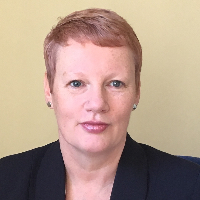
Sandra Barrett
BACP
5 years in practice
Supportive counsellor for stress and relationships
- Stress, Anxiety
- Relationship
- Grief
UK counselling directory
1,433 counsellors list sexual trauma among the things they work with. All offer sessions online, and every profile shows the registering body, the membership number and when it runs to.
This page lists counsellors who specialise in sexual trauma, working with adults and young people across the UK and online. Browse the listings below to review each counsellor's approaches, registration and languages to help find suitable support.
BACP
5 years in practice
Supportive counsellor for stress and relationships
BACP
5 years in practice English, Persian
Helping people find clearer steps forward
BACP
5 years in practice English, Bengali
Experienced relational counsellor for life changes
BACP
5 years in practice
Person-centred counsellor for everyday struggles
6 years in practice
Supportive client-centred counsellor
BACP
10 years in practice
Integrative, relationship-focused counsellor
BACP
6 years in practice English, Punjabi
Calm, practical support for everyday struggles
BACP
6 years in practice English, Thai
Practical, culturally aware counselling for adults
BACP
6 years in practice
Calm, practical counselling for everyday struggles
22 years in practice English, Ndebele, South
Experienced counsellor for life’s hard moments
BACP
7 years in practice English, Russian
Kind, practical counsellor focused on relationships
5 years in practice
Compassionate counsellor for life changes
BACP
12 years in practice English, Spanish
Calm, practical support for life changes
10 years in practice English, Portuguese
Compassionate counsellor for life’s difficult moments
BACP
14 years in practice
Understanding therapy that fits your life
BACP
4 years in practice
Compassionate counsellor for trauma and neurodiversity
BACP
6 years in practice
Supportive counsellor using mixed therapeutic approaches
BACP, NCPS
18 years in practice English, Spanish
Experienced counsellor for life transitions
BACP, NCPS
8 years in practice
Compassionate, practical counselling for emotional strain
BACP
7 years in practice English, Polish
Experienced counsellor for trauma and life change
BACP
4 years in practice
Practical, empathic support for stress and trauma
BACP
6 years in practice
Practical, person-first counselling for everyday struggles
BACP
20 years in practice
Experienced counsellor blending insight and action
BACP, NCPS
6 years in practice
Compassionate, practical counselling support
BACP, NCPS
10 years in practice
Humanistic counsellor helping people make clearer choices
BACP
5 years in practice
Calm, practical support for everyday struggles
BACP
5 years in practice
Calm, practical counselling for life’s hard moments
BACP
3 years in practice English, Portuguese
Experienced counsellor focusing on stress and trauma
BACP
4 years in practice
Compassionate counselling that focuses on change
BACP
24 years in practice
Experienced counsellor offering steady, practical support
BACP
4 years in practice
Person-centred counsellor offering steady support
BACP
25 years in practice
Experienced counsellor helping with anxiety and relationships
BACP
6 years in practice
Practical, person-focused counselling
BACP
11 years in practice English, Romanian
Experienced counsellor for relationship and trauma issues
BACP
5 years in practice
Calm, practical counselling for life changes
BACP
4 years in practice
Humanistic counsellor using flexible approaches
BACP
5 years in practice
Compassionate counsellor blending practical approaches
BACP
19 years in practice
Experienced UK counsellor focused on trauma and resilience
BACP
13 years in practice
Empathetic counsellor for trauma and life stress
BACP
3 years in practice
Compassionate support for stress and relationship strain
BACP
13 years in practice
Practical, supportive counselling for life challenges
BACP, NCPS
7 years in practice
Flexible integrative counsellor for life changes
BACP
3 years in practice English, Spanish
A calm, person-centred counsellor
BACP
3 years in practice
Calm practical support for stress and trauma
BACP, NCPS
5 years in practice
Warm person-centred counsellor using CBT and ACT
BACP
11 years in practice
Compassionate integrative counsellor for life's challenges
BACP
9 years in practice
Calm practical support for life changes
BACP
33 years in practice
Careful listening and practical support
Some links on this page are partner links. We will earn a commission if you sign up through one, at no cost to you.
Sexual trauma covers a range of experiences that involve unwanted sexual contact, coercion, harassment, assault or abuse, whether these occurred recently or in the past. For many people the event itself is not the only harm - the impact can extend into your sense of safety, relationships, body awareness and everyday routines. People often describe a mixture of emotional, psychological and physical responses. You might experience intrusive memories, distressing images, changes to your mood, difficulty trusting others or problems with intimacy and sexual relationships. Some people notice changes in sleep, appetite or energy levels, while others find themselves avoiding places, people or situations that trigger difficult memories.
Recovery after sexual trauma is highly individual. Some people find their symptoms ease over weeks or months; others need longer-term therapeutic support to process what happened and rebuild a sense of agency. Therapy aims to help you understand the effects of the experience on your life, develop coping strategies and make choices about how you want to live going forward. It is common to need time to feel comfortable opening up, and many counsellors place emphasis on establishing a steady, collaborative working relationship first.
Sexual trauma does not happen in isolation. Cultural attitudes, systems that have failed to protect you and societal stigma can add layers of shame or confusion. If you belong to a marginalised group you may face additional barriers to disclosure or support. A counsellor with experience of working with survivors will usually take these wider factors into account, recognising that healing involves more than symptom reduction - it often involves reclaiming autonomy, managing triggers and rebuilding connections that feel meaningful and respectful to you.
If the aftermath of a sexual experience is affecting your day-to-day life, relationships or sense of self, therapy may be helpful. You might notice persistent distress that feels hard to shake, sudden emotional reactions to reminders, intrusive thoughts or nightmares. Others find they are avoiding certain people, places or activities, withdrawing from relationships or turning to alcohol or drugs to cope. Sometimes changes are more subtle - a reluctance to be intimate, difficulty setting boundaries, or an uneasy sense that you are reacting differently to situations than you used to.
Therapy can also be useful if you want to explore how past sexual harm connects with other life difficulties, such as anxiety, low mood, sleep problems or challenges at work. You do not need a diagnosis to seek help; many people contact a counsellor simply to talk through their experience, to learn coping skills or to find a pace of work that feels manageable. If thinking about the past makes you feel overwhelmed, it is reasonable to look for a counsellor who emphasises stabilisation and pacing before any trauma-processing work.
If you are having thoughts of harming yourself or feel at immediate risk, it is important to contact emergency services or crisis support in your area. A counsellor can discuss safety planning and signpost local resources, but urgent concerns should be addressed through the appropriate emergency channels. When making initial enquiries with a counsellor you can ask about their approach to emergencies and how they work with safeguarding, so you know what to expect if you need extra help between sessions.
When you first contact a counsellor there will usually be an initial discussion or assessment to understand your concerns, background and what you hope to gain from therapy. Counsellors often explain their working style, discuss information-sharing boundaries and privacy practices and agree practical arrangements such as session length and fees. The early phase of therapy often focuses on establishing safety and stabilisation. This may include developing grounding techniques, learning ways to manage intense emotions and building skills to reduce the impact of triggers in daily life.
As the relationship develops you and your counsellor will negotiate the pace and focus of trauma work. Some people prefer to explore memories and meaning directly, while others want to concentrate on present-day coping strategies and rebuilding relationships. A counsellor may use talk-based approaches, body-focused techniques or creative methods depending on what feels most helpful to you. Sessions are collaborative - you have a say in what is addressed and how quickly you progress. It is normal for the process to feel up and down, with periods of progress and times when things feel harder. Your counsellor should check in about pacing and consent throughout the work.
Therapy sessions are typically scheduled at regular intervals, though the frequency and duration can vary. You can ask about cancellation policies, fees and what a typical session will include before you start. If you are attending in person, consider the travel and location; for online work consider your environment and whether you can find a quiet, comfortable place for the session. If you are using an online service, ask about the platform's privacy practices and how your counsellor manages notes and records.
There is no single approach that suits everyone. Therapists working with sexual trauma draw on a range of methods and the choice often depends on your needs and preferences. Some people seek therapists who list trauma-focused cognitive behavioural approaches among their methods, which often involve identifying and reframing distressing thoughts and practising new behavioural responses. Others are drawn to psychodynamic work that explores the meaning of the experience within the context of your life and relationships. Somatic approaches attend to the body and sensations, helping you notice and regulate physiological responses that remain after trauma. Group work and peer support can also be valuable for many survivors, offering connection with others with similar experiences.
It is important to remember that a therapist's profile may list several approaches. That does not guarantee a particular qualification in each modality, but it can help you find someone whose described methods align with what you think will be useful. You may wish to ask a potential counsellor which approaches they use most often with sexual trauma and why they think these approaches might be helpful in your case.
Trauma-informed work places emphasis on safety, consent and collaboration. A trauma-informed counsellor will usually attend to pacing, ensure you have coping tools before processing difficult memories and ask for your ongoing consent to the direction of the work. When contacting counsellors you can ask how they practise trauma-informed care and whether they have experience supporting people with similar backgrounds or identities.
Online therapy offers a practical option for people who prefer to meet from home or who live in areas where in-person services are limited. You can work by video call, telephone or messaging depending on what the counsellor provides. Video sessions mirror face-to-face work more closely, while phone sessions can feel more anonymous, and messaging gives flexibility for shorter, written exchanges. Whatever format you choose, it helps to test your technology in advance, find a quiet, comfortable space and agree with the counsellor how to handle interruptions or urgent matters during a session.
When choosing a counsellor, check professional registration such as BACP accreditation, HCPC registration or membership of relevant national registers. Read profiles to see how counsellors describe their focus areas, approaches, experience with sexual trauma and any additional languages they speak. Consider whether cultural competence, gender identity, faith or sexual orientation are important to you and look for clinicians who communicate awareness in those areas. Ask about practicalities - session length, fees and cancellation terms - as well as how the counsellor manages privacy practices and record-keeping.
Initial contact with a counsellor is an opportunity to ask questions about their approach and to gauge how comfortable you feel talking with them. You are entitled to take your time and to change counsellors if the relationship is not working for you. Trust your instincts about whether a counsellor listens, respects your boundaries and explains things in a way that makes sense. Finding the right fit can make a meaningful difference to how supported you feel during the therapeutic journey.
Seeking help after sexual trauma is a personal decision and you have the right to choose the pace and type of support you receive. The counsellors listed on this site offer a range of approaches and backgrounds, so you can compare profiles, registration and experience to identify practitioners who match your needs. If you are unsure where to start, consider contacting a few counsellors to discuss how they approach sexual trauma work and to ask about trauma-informed practice before deciding who to work with.