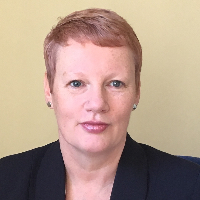
Joseph Shepherd
BACP
3 years in practice
Client-centred counsellor for life changes
- Stress, Anxiety
- Self esteem
- Career
UK counselling directory
1,682 counsellors list caregiver issues and stress among the things they work with. All offer sessions online, and every profile shows the registering body, the membership number and when it runs to.
Find counsellors who specialise in caregiver issues and stress on this page. You can read professional profiles, learn about approaches and check registration such as BACP or HCPC. Browse the listings below to identify counsellors who may fit your needs.
BACP
3 years in practice
Client-centred counsellor for life changes
BACP
5 years in practice
Supportive counsellor for stress and relationships
BACP
7 years in practice
Compassionate practical counselling for life challenges
BACP
5 years in practice
Calm integrative counselling for adults
BACP
5 years in practice English, Bengali
Experienced relational counsellor for life changes
BACP
8 years in practice
Supportive counsellor for stressful life changes
BACP
10 years in practice English, Spanish
Experienced counsellor for anxiety and trauma
BACP
5 years in practice
Person-centred counsellor for everyday struggles
6 years in practice
Supportive client-centred counsellor
BACP
6 years in practice English, Punjabi
Calm, practical support for everyday struggles
BACP
3 years in practice
Practical support for stress and life changes
BACP
6 years in practice
Calm, practical counselling for everyday struggles
BACP
3 years in practice
Compassionate person-centred counsellor
BACP
7 years in practice English, Russian
Kind, practical counsellor focused on relationships
BACP
12 years in practice
Practical, person-focused counselling and support
BACP
12 years in practice English, Spanish
Calm, practical support for life changes
BACP
4 years in practice
Experienced BACP counsellor for everyday challenges
BACP
14 years in practice
Understanding therapy that fits your life
BACP
23 years in practice
Calm, practical counselling for everyday struggles
BACP
6 years in practice
Supportive counsellor using mixed therapeutic approaches
BACP, NCPS
18 years in practice English, Spanish
Experienced counsellor for life transitions
BACP, NCPS
4 years in practice
Practical, collaborative counselling for life challenges
BACP
12 years in practice
Calm, attachment-focused counsellor
BACP, NCPS
8 years in practice
Compassionate, practical counselling for emotional strain
BACP
3 years in practice
Gentle, practical support for life change
BACP
7 years in practice English, Polish
Experienced counsellor for trauma and life change
BACP
7 years in practice
Person-centred counsellor for life changes
BACP
5 years in practice
Practical, empathetic counselling for everyday struggles
BACP
6 years in practice
Practical, person-first counselling for everyday struggles
BACP
20 years in practice
Experienced counsellor blending insight and action
BACP, NCPS
6 years in practice
Compassionate, practical counselling support
BACP
5 years in practice
Calm, practical support for everyday struggles
BACP
3 years in practice English, Portuguese
Experienced counsellor focusing on stress and trauma
BACP
5 years in practice
Practical, respectful counselling for life challenges
BACP
24 years in practice
Experienced counsellor offering steady, practical support
BACP
9 years in practice English, Russian
Calm, practical counselling with a listening approach
BACP
25 years in practice
Experienced counsellor helping with anxiety and relationships
BACP
5 years in practice
Calm practical counselling for stress and loss
BACP
9 years in practice
Calm, practical counselling for life challenges
BACP
11 years in practice English, Romanian
Experienced counsellor for relationship and trauma issues
BACP
5 years in practice
Calm, practical counselling for life changes
BACP
4 years in practice
Humanistic counsellor using flexible approaches
BACP
4 years in practice
Client-centred counsellor focused on practical change
BACP
11 years in practice
Compassionate counsellor for life’s hard moments
BACP
5 years in practice
Compassionate counsellor blending practical approaches
BACP
5 years in practice
Compassionate counsellor focused on repair and resilience
3 years in practice
Compassionate, practical therapy for everyday struggles
BACP
11 years in practice English, Mandarin
Calm, practical counselling for everyday struggles
Some links on this page are partner links. We will earn a commission if you sign up through one, at no cost to you.
Caring for a family member, partner or friend can be deeply rewarding, but it can also place a continuous emotional, physical and practical burden on you. When the demands of caregiving accumulate - juggling appointments, managing medications, supporting emotional needs and balancing work or family life - you may find your own needs pushed aside. Over time this can lead to exhaustion, frustration and a sense of isolation. You may notice changes in sleep, appetite, mood or your ability to concentrate, and everyday tasks that once felt manageable may start to feel impossible.
Caregiver issues and stress do not only arise from long-term caring roles. They can appear after a sudden health crisis, a change in diagnosis, or during transitions such as a move to a care setting. The emotional load of watching someone you care about struggle can bring grief, guilt and worry about the future. It is common to experience mixed feelings - relief alongside guilt, love alongside resentment - and these conflicting emotions can be hard to make sense of on your own.
Understanding the nature of caregiver stress is the first step towards making a change. Counselling can help you explore how caregiving affects your life and identify practical strategies and emotional supports to restore balance. You do not have to give up the role that matters to you in order to look after your own wellbeing.
You might consider seeking counselling if caring responsibilities are affecting your emotional health or daily functioning. You may notice persistent low mood, heightened irritability, panic or anxiety about caregiving tasks. Sleep disturbances, changes in appetite, a loss of interest in activities you once enjoyed, or difficulty concentrating at work are common indicators that stress has become overwhelming. Physical symptoms such as headaches, muscle tension or ongoing fatigue can also accompany prolonged stress.
Beyond symptoms, you may find it hard to set boundaries, say no to additional requests, or accept help from others. Relationships with other family members can become strained as roles and expectations shift. You might also worry about how long you can continue in the caregiving role, or feel unclear about future plans. If you find yourself thinking that you have to cope alone, counselling can offer a space to explore alternatives, develop coping strategies and consider practical arrangements that could ease your load.
It is important to remember that seeking counselling is not a sign of failure. It is a practical step to preserve your wellbeing and your ability to care. Many people find that talking with a counsellor helps them regain perspective and practical tools to manage day-to-day pressures.
When you begin counselling for caregiver stress, you can expect an initial conversation to map out your situation, priorities and what you hope to achieve. Many counsellors will invite you to describe the caregiving context, your current challenges and any support systems that are already in place. Sessions typically provide you with a safe, non-judgemental environment to reflect on feelings such as guilt, grief and anger, and to identify practical steps that make caring more sustainable.
Therapeutic work may include exploring coping strategies for stress management, learning how to communicate needs and boundaries with family and professionals, and developing routines that protect time for rest and self-care. You might explore decision-making around care options, ways to reduce conflict with relatives, or how to access local services and benefits. Counselling can also offer a place to process loss - whether that is the loss of a previous life, declining health of the person you care for, or changing family dynamics.
Sessions vary in length and frequency depending on your needs and the counsellor's approach. Some people benefit from short-term focused work to address immediate issues, while others choose longer-term counselling to address deeper emotional patterns that affect their wellbeing. Throughout, the emphasis is on practical strategies and reflective space to help you continue in your role without sacrificing your own health.
There are several therapeutic approaches that counsellors may use to help people experiencing caregiver stress. You may find counsellors who list person-centred therapy among their approaches, which often focuses on empathetic listening and helping you find your own solutions. Others may list cognitive-behavioural approaches among their methods, which can help you identify patterns of thought and behaviour that increase distress and develop practical strategies to manage symptoms of anxiety and depression.
Some counsellors describe psychodynamic or relational approaches, which explore how past relationships and emotional patterns shape how you experience caregiving and respond to stress. If practical problem-solving is important to you, you may encounter counsellors who list integrative or systemic approaches among their methods, which can help you work with family dynamics and coordinate informal support networks. When exploring profiles, note which approaches resonate with you and consider how they align with the kind of support you want - whether that is practical skills, emotional processing, or improvements in family communication.
Keep in mind that a counsellor listing an approach is not the same as a formal qualification in that method. It can be helpful to ask a counsellor how they use particular approaches in the context of caregiver issues and what you might expect from that style of work. Transparency about approach, experience with caregiving themes and professional registration can give you confidence in your choice.
Online counselling offers flexibility that can be particularly useful if you have limited time or cannot travel easily. Sessions commonly take place by video call, telephone or messaging, allowing you to connect from a home or workplace setting. Some people appreciate the convenience of online sessions when coordinating care for someone else, while others prefer a mix of remote and face-to-face contact. The therapeutic relationship is the central element - whether online or in person - and many people find they can develop trust and make meaningful progress in a remote format.
When choosing a counsellor, consider practical factors such as whether they list experience with caregiver issues, the approaches they describe and which professional registers they belong to. Counsellors in the UK may be registered with BACP, HCPC or NCPS, and their profiles often include short statements about their experience. You can look for counsellors who describe working with carer stress, role transitions, grief and family dynamics. Language, cultural understanding and familiarity with particular health conditions can also shape the fit between you and a counsellor.
Think about the qualities you value in a counsellor - for example, someone who takes a practical problem-solving approach, someone who offers space to process emotions, or someone who can support you in communicating with family and health professionals. It is reasonable to contact a counsellor to ask how they work with carers, how they balance practical and emotional work, and how they support people who are juggling multiple responsibilities. Taking time to review profiles and read counsellor statements can help you identify a few options to explore further.
Remember that seeking help is a step towards sustaining your capacity to care. Counselling can help you build strategies to manage stress, protect your wellbeing and make decisions that support both you and the person you care for. With thoughtful choice and a clear idea of what you need, you can find a counsellor who understands the realities of caregiving and who can work with you to find a more manageable path forward.