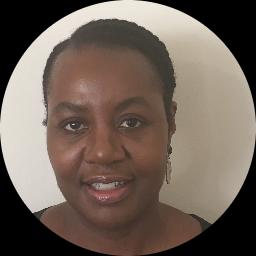
Joseph Shepherd
BACP
3 years in practice
Client-centred counsellor for life changes
- Stress, Anxiety
- Self esteem
- Career
UK counselling directory
2,307 counsellors list forgiveness among the things they work with. All offer sessions online, and every profile shows the registering body, the membership number and when it runs to.
This page helps you find counsellors who focus on forgiveness work. Browse the listings below to compare approaches, credentials, languages and experience to find a suitable counsellor for your needs.
BACP
3 years in practice
Client-centred counsellor for life changes
BACP
4 years in practice
A calm, practical counsellor for relationships
BACP
3 years in practice
Calm, practical support for anxiety and grief
BACP
5 years in practice
Supportive counsellor for stress and relationships
BACP
7 years in practice
Compassionate practical counselling for life challenges
BACP
5 years in practice
Calm integrative counselling for adults
BACP
3 years in practice
Understanding support for stress and trauma
BACP
5 years in practice English, Bengali
Experienced relational counsellor for life changes
BACP
8 years in practice
Supportive counsellor for stressful life changes
BACP
15 years in practice
Experienced counsellor focused on stress and family concerns
BACP
10 years in practice English, Spanish
Experienced counsellor for anxiety and trauma
6 years in practice
Supportive client-centred counsellor
BACP
6 years in practice English, Punjabi
Calm, practical support for everyday struggles
BACP
3 years in practice
Practical support for stress and life changes
BACP
6 years in practice English, Thai
Practical, culturally aware counselling for adults
BACP, NCPS
10 years in practice
Straight-talking person-centred counsellor
BACP
6 years in practice
Calm, practical counselling for everyday struggles
22 years in practice English, Ndebele, South
Experienced counsellor for life’s hard moments
BACP
3 years in practice
Compassionate person-centred counsellor
BACP
7 years in practice English, Russian
Kind, practical counsellor focused on relationships
5 years in practice
Compassionate counsellor for life changes
BACP
12 years in practice
Practical, person-focused counselling and support
BACP
12 years in practice English, Spanish
Calm, practical support for life changes
BACP
14 years in practice English, Russian
Compassionate counsellor for recovery and change
BACP
4 years in practice
Experienced BACP counsellor for everyday challenges
BACP
14 years in practice
Understanding therapy that fits your life
BACP
20 years in practice
Compassionate psychodynamic counsellor for life changes
BACP
23 years in practice
Calm, practical counselling for everyday struggles
BACP
4 years in practice
Compassionate counsellor for trauma and neurodiversity
BACP, NCPS
18 years in practice English, Spanish
Experienced counsellor for life transitions
BACP, NCPS
4 years in practice
Practical, collaborative counselling for life challenges
BACP
12 years in practice
Calm, attachment-focused counsellor
BACP, NCPS
8 years in practice
Compassionate, practical counselling for emotional strain
BACP
3 years in practice
Gentle, practical support for life change
3 years in practice
A person-centred counsellor who listens deeply
BACP
5 years in practice
Practical, person-centred support for life challenges
BACP
5 years in practice
Compassionate person-centred counsellor
BACP
7 years in practice English, Polish
Experienced counsellor for trauma and life change
BACP
7 years in practice
Person-centred counsellor for life changes
BACP
5 years in practice
Practical, empathetic counselling for everyday struggles
BACP
7 years in practice
Compassionate counsellor focused on relationships and grief
BACP
5 years in practice
Calm, practical support for everyday struggles
BACP
6 years in practice
Practical, person-first counselling for everyday struggles
BACP
20 years in practice
Experienced counsellor blending insight and action
BACP
5 years in practice
Person-centred counsellor focused on relationships and change
BACP, NCPS
6 years in practice
Compassionate, practical counselling support
BACP, NCPS
10 years in practice
Humanistic counsellor helping people make clearer choices
BACP
5 years in practice
Calm, practical support for everyday struggles
Some links on this page are partner links. We will earn a commission if you sign up through one, at no cost to you.
Forgiveness can mean different things to different people. For some it is a gradual letting go of bitterness and the end of a cycle of rumination. For others it is an intentional decision to shift how you relate to a past hurt without erasing the memory of what happened. You may find that forgiveness affects you emotionally, physically and socially - it can ease tension, change how you relate to the person who harmed you and alter expectations for future relationships. At the same time, the process can be complex: a mix of sadness, anger, relief and confusion is common, and you might notice changes in sleep, appetite or motivation as you work through these feelings.
It is important to recognise that forgiveness does not require condoning behaviour or re-establishing contact. You can work towards a sense of inner peace while maintaining boundaries that protect your wellbeing. In many cases people report a clearer sense of what they value in relationships and everyday life as they explore forgiveness. That said, the journey is personal and may take time. Therapy can offer a structured way to process emotions and develop strategies that support your own version of forgiveness, whether that involves reconciliation, setting new boundaries or simply coming to terms with what happened.
You might be considering counselling because you find it hard to move on from an event or relationship that hurt you. Signs that therapy could help include persistent rumination about the incident, intrusive memories that affect daily functioning, strong feelings of anger or shame that feel overwhelming, and patterns of mistrust that spill over into other relationships. You may also notice physical symptoms such as tension headaches, disturbed sleep or difficulty concentrating. If attempts to forgive feel forced or incomplete, leaving you stuck in guilt or resentment, a therapeutic space can help you explore what forgiveness would mean for you and whether it is a helpful goal.
Sometimes people seek support not because they want to forgive the other person but because they want to understand their own reactions and make different choices going forward. Therapy can be useful if you are weighing whether reconciliation is safe or appropriate, if you are trying to protect children or other dependants, or if you need help setting clear boundaries. Counselling can also help when forgiveness is presented to you as an expectation that feels unhelpful or unfair. In short, if the issue is shaping your mood, relationships or sense of self, talking it through with a counsellor who lists forgiveness among their focus areas can be worthwhile.
When you begin work on forgiveness in therapy, sessions typically start with an assessment of your current difficulties and goals. Your counsellor will invite you to describe the events that caused pain, how those events affect your life now and what you hope to achieve. Some people come with a clear aim - for example, to reduce anger - while others want to explore whether forgiveness is right for them. A counsellor will help you clarify your priorities and develop an individual plan that takes into account your emotional readiness and safety.
Therapy can involve discussing memories in a paced and supported way, learning tools to regulate strong emotions and practicing new ways of relating to yourself and others. Counsellors might use reflective conversation, narrative techniques that help you reframe the story you tell yourself, or exercises to build empathy for yourself as well as the other person. Sessions often include practical homework - such as journaling, mindfulness exercises or role-play - which can help you apply insights between appointments. The pace is tailored to you, and your counsellor should respect your boundaries while encouraging exploration where it feels manageable.
There is no single method for working on forgiveness, and counsellors adopt a range of approaches depending on their orientation and your needs. Some practitioners favour a psychodynamic lens to explore how past relationships shape your responses to hurt. Others draw on cognitive-behavioural ideas to identify and challenge thought patterns that keep you stuck in resentment. There are counsellors who use humanistic approaches to emphasise empathy and self-compassion, and some who incorporate experiential methods to help you process emotions in the body. You will also find therapists who list approaches such as narrative therapy, mindfulness-based methods or compassion-focused work among their tools.
When you review profiles, note that a therapist listing a particular approach does not automatically indicate formal training in that modality. A helpful way to assess fit is to read descriptions that explain how they apply their methods to forgiveness issues. You may prefer a counsellor who focuses on emotional processing and meaning-making, or someone who offers structured techniques to reduce intrusive thinking. Many practitioners integrate elements from multiple approaches to tailor work to your situation, and you can ask about their style during an introductory conversation so you know whether their way of working suits you.
Online therapy has become a common option for people seeking help with forgiveness, especially if you want to access counsellors across the UK without travelling. Sessions typically take place via video call, telephone or text-based messaging, and they can mirror the structure of face-to-face work. You can expect an initial assessment to understand your history and goals, followed by regular sessions that focus on emotional processing, skill-building and reflection. For some people the distance of an online format feels easier for discussing painful material, while others prefer the immediacy of in-person contact. Consider which medium helps you feel most able to speak freely and connect with the counsellor.
Practical details matter when choosing online counselling. Think about whether you can create a comfortable environment at home or another personal place for sessions, and how you will manage interruptions. You might want to ask potential counsellors about how they handle record keeping, session length and fees. If dealing with strong emotions, it is useful to have a plan for what to do between sessions, and to ensure you have local support if necessary. Many counsellors who list online work among their approaches include information about their preferred formats and any additional resources they offer to support the therapeutic process.
Finding a good fit is about more than qualifications alone. You may want to prioritise a counsellor who is registered with an appropriate UK regulator such as the BACP, the HCPC or NCPS, as registration indicates adherence to a professional code of practice. Read profiles carefully to learn about therapists who list forgiveness among their specialties and note the languages they speak, the client groups they work with and any areas of experience that match your situation. Consider whether you prefer a counsellor who emphasises emotional exploration, structured techniques or a mixture of both.
Trust your instincts when you read a counsellor's description and when you have an initial conversation with them. Think about the tone that feels most helpful to you - for example, direct and practical or reflective and exploratory - and whether the counsellor explains how they might approach forgiveness work. It can be useful to enquire about session length, frequency and whether they work online, in person or both. Remember that therapy is a collaborative process: you should feel heard and respected, and the counsellor should be willing to adapt their approach as you progress. Taking time to compare profiles and asking a few focused questions will help you choose someone who can support your journey toward greater emotional clarity and wellbeing.