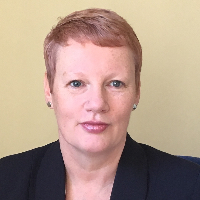
Sandra Barrett
BACP
5 years in practice
Supportive counsellor for stress and relationships
- Stress, Anxiety
- Relationship
- Grief
UK counselling directory
1,031 counsellors list multicultural concerns among the things they work with. All offer sessions online, and every profile shows the registering body, the membership number and when it runs to.
On this page you will find counsellors who specialise in multicultural concerns, including cultural identity, racism, migration and faith-related issues. Browse the listings below to explore counsellors' approaches, qualifications and languages spoken.
BACP
5 years in practice
Supportive counsellor for stress and relationships
BACP
6 years in practice
Warm client-centred counsellor for life changes
BACP
7 years in practice
Compassionate practical counselling for life challenges
BACP
5 years in practice English, Persian
Helping people find clearer steps forward
BACP
5 years in practice English, Bengali
Experienced relational counsellor for life changes
BACP
15 years in practice
Experienced counsellor focused on stress and family concerns
BACP
10 years in practice
Integrative, relationship-focused counsellor
BACP
6 years in practice English, Thai
Practical, culturally aware counselling for adults
BACP
18 years in practice English, German
Attachment-focused counsellor with psychodynamic insight
BACP
11 years in practice
Compassionate counsellor helping people find steady change
22 years in practice English, Ndebele, South
Experienced counsellor for life’s hard moments
BACP
10 years in practice English, Portuguese
Thoughtful Jungian-informed psychotherapy
BACP
7 years in practice English, Russian
Kind, practical counsellor focused on relationships
5 years in practice
Compassionate counsellor for life changes
BACP
12 years in practice
Practical, person-focused counselling and support
BACP
12 years in practice English, Spanish
Calm, practical support for life changes
BACP
14 years in practice English, Russian
Compassionate counsellor for recovery and change
10 years in practice English, Portuguese
Compassionate counsellor for life’s difficult moments
BACP
14 years in practice
Understanding therapy that fits your life
BACP, NCPS
18 years in practice English, Spanish
Experienced counsellor for life transitions
BACP, NCPS
8 years in practice
Compassionate, practical counselling for emotional strain
BACP
4 years in practice
Support for trauma and relationships
BACP
5 years in practice
Calm, practical counselling for everyday life
BACP
5 years in practice
Practical, empathetic counselling for everyday struggles
BACP
20 years in practice
Experienced counsellor blending insight and action
BACP, NCPS
10 years in practice
Humanistic counsellor helping people make clearer choices
BACP
14 years in practice English, Indonesian
Calm, practical support for life’s hardest moments
BACP
3 years in practice English, Portuguese
Experienced counsellor focusing on stress and trauma
BACP
5 years in practice
Calm practical counselling for stress and loss
BACP
6 years in practice
Warm person-centred counsellor for adults
BACP
9 years in practice
Calm, practical counselling for life challenges
BACP
11 years in practice English, Romanian
Experienced counsellor for relationship and trauma issues
BACP
4 years in practice
Humanistic counsellor using flexible approaches
BACP
4 years in practice
Client-centred counsellor focused on practical change
BACP
5 years in practice
Compassionate counsellor focused on repair and resilience
BACP
9 years in practice English, German
Compassionate, practical support for adults
BACP
11 years in practice English, Mandarin
Calm, practical counselling for everyday struggles
BACP
19 years in practice
Experienced UK counsellor focused on trauma and resilience
BACP
11 years in practice
Experienced humanistic integrative counsellor
BACP
3 years in practice
Calm, practical counselling for everyday struggles
BACP
3 years in practice
Calm practical support for stress and trauma
BACP, NCPS
5 years in practice
Warm person-centred counsellor using CBT and ACT
BACP
11 years in practice
Compassionate integrative counsellor for life's challenges
BACP
33 years in practice
Careful listening and practical support
BACP
3 years in practice
Practical, down-to-earth support for anxiety and focus issues
BACP
3 years in practice English, Mandarin
Compassionate counsellor for relationship and life changes
BACP
3 years in practice English, Central Khmer
Calm, mindful counselling with practical tools
BACP
3 years in practice English, Punjabi
Compassionate practical support for life stressors
Some links on this page are partner links. We will earn a commission if you sign up through one, at no cost to you.
Multicultural concerns describe the range of emotional and relational difficulties that arise where culture, ethnicity, nationality, religion, language or migration status shape a person’s experience. For you this might mean grappling with questions of identity, negotiating family expectations across cultures, facing discrimination or microaggressions, or processing the losses and transitions that come with moving country. These issues can be experienced alongside general life stressors and mental health challenges, making them complex to navigate alone.
The ways these concerns show up vary widely. You may notice a feeling of not belonging, tension between different parts of your identity, or conflict with partners or family over cultural norms. For some people the effects are practical - difficulty accessing services, language barriers, or uncertainty about rights - and for others the impact is internal, such as shame, low self-worth or heightened anxiety. Multicultural concerns often intersect with social and economic factors, so the impact can be broad, affecting relationships, work, education and your sense of place in the community.
If you find that cultural issues are affecting how you feel day to day, therapy can offer a place to explore them. You might be replaying painful encounters where your identity was minimised or misunderstood, or you might be avoiding conversations about heritage, faith or sexuality out of fear of judgement. You may notice persistent feelings of anger, grief or exhaustion that relate to experiences of discrimination or exile. Recurrent tension in family relationships where different cultural values conflict is also a common reason people seek support.
Practical signals that therapy could help include difficulty sleeping or concentrating, withdrawing from social contacts, or relying on substances to cope with distress linked to cultural stressors. You may also feel stuck when trying to make decisions about migration, returning to a family of origin, or negotiating a mixed-cultural relationship. If these patterns are limiting your life or you find yourself thinking about these issues constantly, working with a counsellor who understands multicultural dynamics can be beneficial.
When you begin therapy for multicultural concerns, you can expect the initial sessions to focus on building a relationship and understanding your personal story. A counsellor will typically invite you to describe the aspects of your background that feel most relevant - such as ethnicity, language, migration history, religion, sexual orientation and socioeconomic context - and how these intersect in your current difficulties. The pace is guided by you, and the aim is to create a respectful, culturally aware space where you can explore identity, emotion and meaning.
Therapy often involves exploring the present-day effects of past experiences. You might work through memories of exclusion, family expectations, or trauma associated with migration or persecution. At the same time, sessions can include practical problem-solving about navigating institutions, understanding legal or educational systems, or improving communication with family members who have different cultural assumptions. Some counsellors use reflective exercises to help you articulate values and boundaries, while others focus on emotional processing or building coping skills that fit your cultural context.
Throughout therapy you should expect discussion about cultural humility and how cultural differences shape the therapeutic relationship. A counsellor may ask about your comfort with certain interventions or language, and will usually be open to adapting their approach to fit your needs. If you are exploring identity across multiple cultures, therapy can provide a structured setting to experiment with new ways of being and relating that honour the different parts of you.
There is no single method that fits every person, and counsellors draw on a range of approaches to support clients with multicultural concerns. You may encounter counsellors who list person-centred, psychodynamic, systemic, cognitive-behavioural or trauma-informed approaches among their practice. Some counsellors describe using narrative approaches that help you examine and re-author the stories you tell about your identity and cultural experiences. Others combine emotion-focused work with practical strategies to manage day-to-day stressors arising from discrimination or migration-related change.
It is common to find counsellors who explicitly reference anti-oppressive practise, cultural formulation or intersectional frameworks in their profiles. These ways of working foreground power, context and social factors, and aim to reduce the risk of oversimplifying culturally rooted experiences. When a counsellor lists approaches such as EMDR, it is appropriate to read that as an approach they include in their work rather than a guarantee of specific certification. You may prefer someone who mentions experience with community-based or faith-informed perspectives if those elements are important to you.
Consider also whether a counsellor notes familiarity with the cultural communities or languages that matter to you. Registration with a recognised body such as BACP, HCPC or NCPS can indicate that a counsellor meets professional standards and keeps to an ethical code of practise. While registration does not speak to specific cultural expertise, it gives a baseline of professional accountability to support your decision-making.
Online therapy has become a widely used option that can make it easier for you to access counsellors who understand your cultural background, especially if local services do not meet your needs. Sessions may take place by video call, telephone or messaging, and many people find that being in a familiar environment helps them focus on sensitive material. You should think about practical matters such as a reliable internet connection, a quiet space where you can talk without interruption, and the type of medium that feels most comfortable for you.
When choosing a counsellor for multicultural concerns, start by clarifying what matters most to you. This might include shared cultural knowledge, language ability, experience with migration or faith issues, or a particular therapeutic approach. Read counsellors' profiles to learn how they describe their work and the populations they support. Look for indications that they consider cultural factors explicitly rather than treating them as an afterthought. Registration with BACP, HCPC or NCPS is one useful marker to confirm that a counsellor adheres to professional standards and ongoing professional development.
It can help to prepare a short list of questions you want to raise when you contact a counsellor. You might ask how they approach cultural issues in therapy, whether they have experience with situations similar to yours, and how they adapt their practice to honour different cultural values. If faith or community ties are important to you, inquire how these dimensions are integrated into sessions. Pay attention to how the counsellor responds to your questions - a respectful and curious reply can be a good sign that they will work collaboratively with you.
Finally, trust your sense of fit. The therapeutic relationship is central to progress, and you should feel that the counsellor listens to you and respects your perspective. It is normal for this to take a few sessions to determine, and switching counsellors if the match does not feel right is a valid option. By focusing on cultural understanding, professional registration and clear communication about expectations, you can find a counsellor who supports you in navigating the complexities of multicultural life in the UK.