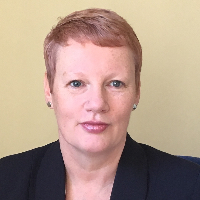
Joseph Shepherd
BACP
3 years in practice
Client-centred counsellor for life changes
- Stress, Anxiety
- Self esteem
- Career
UK counselling directory
2,065 counsellors list control issues among the things they work with. All offer sessions online, and every profile shows the registering body, the membership number and when it runs to.
Browse counsellors who specialise in control issues and related compulsive or controlling behaviour. Use the listings below to review profiles, compare approaches and see counsellors' registration and languages to help you choose.
BACP
3 years in practice
Client-centred counsellor for life changes
BACP
3 years in practice
Calm, practical support for anxiety and grief
BACP
5 years in practice
Supportive counsellor for stress and relationships
BACP
7 years in practice
Compassionate practical counselling for life challenges
BACP
4 years in practice
Practical support for stress and trauma recovery
BACP
5 years in practice
Calm integrative counselling for adults
BACP
8 years in practice
Calm, flexible counselling for everyday struggles
BACP
5 years in practice English, Bengali
Experienced relational counsellor for life changes
BACP
3 years in practice
Practical counselling for stress and relationships
BACP
8 years in practice
Supportive counsellor for stressful life changes
BACP
15 years in practice
Experienced counsellor focused on stress and family concerns
BACP
10 years in practice English, Spanish
Experienced counsellor for anxiety and trauma
6 years in practice
Supportive client-centred counsellor
BACP
10 years in practice
Integrative, relationship-focused counsellor
BACP
6 years in practice English, Punjabi
Calm, practical support for everyday struggles
BACP
3 years in practice
Practical support for stress and life changes
BACP, NCPS
10 years in practice
Straight-talking person-centred counsellor
BACP
6 years in practice
Calm, practical counselling for everyday struggles
22 years in practice English, Ndebele, South
Experienced counsellor for life’s hard moments
BACP
3 years in practice
Compassionate person-centred counsellor
BACP
7 years in practice English, Russian
Kind, practical counsellor focused on relationships
5 years in practice
Compassionate counsellor for life changes
BACP
12 years in practice
Practical, person-focused counselling and support
BACP
12 years in practice English, Spanish
Calm, practical support for life changes
BACP
14 years in practice English, Russian
Compassionate counsellor for recovery and change
BACP
4 years in practice
Experienced BACP counsellor for everyday challenges
10 years in practice English, Portuguese
Compassionate counsellor for life’s difficult moments
BACP
14 years in practice
Understanding therapy that fits your life
BACP
20 years in practice
Compassionate psychodynamic counsellor for life changes
BACP
23 years in practice
Calm, practical counselling for everyday struggles
BACP, NCPS
18 years in practice English, Spanish
Experienced counsellor for life transitions
BACP, NCPS
4 years in practice
Practical, collaborative counselling for life challenges
BACP
12 years in practice
Calm, attachment-focused counsellor
BACP, NCPS
8 years in practice
Compassionate, practical counselling for emotional strain
BACP
3 years in practice
Gentle, practical support for life change
BACP
5 years in practice
Compassionate person-centred counsellor
BACP
7 years in practice English, Polish
Experienced counsellor for trauma and life change
BACP
7 years in practice
Person-centred counsellor for life changes
BACP
5 years in practice
Practical, empathetic counselling for everyday struggles
BACP
7 years in practice
Compassionate counsellor focused on relationships and grief
BACP
6 years in practice
Practical, person-first counselling for everyday struggles
BACP
20 years in practice
Experienced counsellor blending insight and action
BACP
3 years in practice
Understanding listening and practical support
BACP
5 years in practice
Person-centred counsellor focused on relationships and change
BACP, NCPS
6 years in practice
Compassionate, practical counselling support
BACP, NCPS
10 years in practice
Humanistic counsellor helping people make clearer choices
BACP
5 years in practice
Calm, practical support for everyday struggles
BACP
20 years in practice
Practical counselling for stress and life change
Some links on this page are partner links. We will earn a commission if you sign up through one, at no cost to you.
Control issues can show up in many ways - as a need to manage every detail of work and relationships, persistent checking or reassurance-seeking, rigid routines, or intense anxiety when things feel unpredictable. You may use control as a coping strategy to reduce discomfort, manage uncertainty or protect yourself from past hurts. For some people it is a long-standing pattern rooted in earlier experiences; for others it develops as a response to a specific life event such as illness, loss or a change in role.
When you are living with control issues it can be exhausting. You might feel responsible for other people’s emotions, overwhelmed by decisions, or chronically dissatisfied because outcomes rarely match exact expectations. Control can also show up through perfectionism, micromanaging at work, difficulty delegating, or attempts to influence the behaviour of partners and family. Recognising these patterns is a first step. Therapy can offer space to explore why control became necessary for you, what it achieves in daily life, and how different ways of relating might reduce stress while keeping what matters intact.
You might consider speaking to a counsellor if control is interfering with relationships, work, or your sense of wellbeing. If you notice repeated conflict with people close to you because of rules or expectations you set, or if you avoid opportunities due to fear of mistakes, these are signals that the pattern is having a cost. You may also experience physical symptoms such as insomnia, tension, or panic when things deviate from plan, or you might find yourself trapped in cycles of over-preparing and procrastinating.
Another sign that therapy could help is if attempts to change on your own feel temporary or lead to guilt and shame. You may already have used self-help books, mindfulness apps, or lifestyle changes without lasting relief. In that case, working with a counsellor gives you dedicated time to examine the functions of control in your life, to practise new strategies with guidance, and to build understanding rather than simply trying harder. Counselling can also support you through transitions where control patterns are especially active, such as becoming a parent, changing careers, or ending a relationship.
Therapy often begins with a conversation about the difficulties you are facing and the changes you want to make. Your counsellor will ask about your history, your current patterns, and the situations where control feels strongest. Early sessions are typically about building rapport and making a plan together, so you know what to focus on and how progress will be measured in ways that make sense to you.
As you continue, you can expect a mix of reflection and practical work. Reflection helps you trace where the urge to control comes from and how it is linked to beliefs about safety, competence or worth. Practical work might include learning ways to tolerate uncertainty, experimenting with small changes to routines, and developing communication skills to express needs without trying to micromanage others. Therapy is collaborative - you and the counsellor will refine the approach as you discover which strategies feel helpful. Sessions provide a steady setting to review experiments, notice what increases or reduces your anxiety, and develop flexible responses that fit your life.
You will find counsellors who list a range of approaches among their methods, and different methods suit different people. Cognitive approaches such as cognitive behavioural therapy focus on identifying unhelpful thoughts and testing them in practical ways. This can be useful when rigid beliefs about responsibility or perfectionism drive controlling behaviour. Therapists who list psychodynamic or relational approaches may help you explore how early attachments and relationship patterns shape current attempts to manage others and situations.
Some counsellors list acceptance and commitment therapy and mindfulness-based approaches among their work. These approaches emphasise noticing internal experiences without acting on them automatically, and clarifying values so that you can choose actions that matter even when you feel anxious. Therapists who mention trauma-informed or attachment-focused work among their approaches may pay attention to how past experiences of threat or instability influence the need to control now. You might also come across counsellors who list approaches that focus on skills for emotional regulation and interpersonal boundaries. When reviewing profiles, note the approaches counsellors list and read how they describe applying them to issues like control. That will help you find someone whose focus resonates with your needs.
Online counselling for control issues follows many of the same principles as in-person work, but the setting is digital. Sessions typically take place by video call or telephone, and some counsellors use text-based messaging for follow-up reflections. Online work can make it easier to fit sessions into your routine and to practise new behaviours in real-life contexts close to the session. You and your counsellor will agree how to manage practical matters such as session length, contact between sessions, and what to do if you are feeling distressed outside session times. Good practice includes discussing data protection, record-keeping and the limits of online support, so you know how your information is handled and what to expect in different scenarios.
Begin by looking at what counsellors say they specialise in and which approaches they list. Consider whether you want a counsellor who highlights cognitive work, relational exploration, mindfulness, or a combination. Check for professional registration such as BACP, HCPC, or NCPS, and read profiles to understand their experience with issues similar to yours. Language and cultural fit matter too - if you prefer to speak in your first language or want a counsellor familiar with your cultural context, look for those details in profiles.
Think about practicalities that affect engagement such as session length, fees, and whether the counsellor offers online, in-person, or blended work. Reading a counsellor’s description of how they work can give you a sense of their style - whether they emphasise structured exercises, open exploration, or practical problem-solving. It is reasonable to contact a counsellor to ask about their experience working with control-related patterns and how they describe their approach. Over time you will get a sense of whether the therapeutic relationship feels collaborative and respectful. If it does, you may find it easier to experiment with new ways of relating and to reduce the grip that control has on your life.
Finding the right counsellor is a personal process. Use the listings below to compare approaches, check registration and background, and prioritise the qualities that matter to you. With thoughtful choice and steady work you can develop alternatives to controlling behaviours that support your goals and relationships.