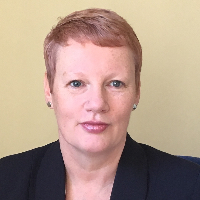
Joseph Shepherd
BACP
3 years in practice
Client-centred counsellor for life changes
- Stress, Anxiety
- Self esteem
- Career
UK counselling directory
2,218 counsellors list abandonment among the things they work with. All offer sessions online, and every profile shows the registering body, the membership number and when it runs to.
This page lists counsellors who specialise in abandonment and related attachment difficulties. Browse the profiles below to compare counsellors' focus areas, approaches, languages and professional registration.
BACP
3 years in practice
Client-centred counsellor for life changes
BACP
5 years in practice
Supportive counsellor for stress and relationships
BACP
7 years in practice
Compassionate practical counselling for life challenges
BACP
5 years in practice
Calm integrative counselling for adults
BACP
8 years in practice
Calm, flexible counselling for everyday struggles
BACP
5 years in practice English, Bengali
Experienced relational counsellor for life changes
BACP
5 years in practice
Experienced UK psychotherapist offering practical support
BACP
8 years in practice
Supportive counsellor for stressful life changes
BACP
10 years in practice English, Spanish
Experienced counsellor for anxiety and trauma
6 years in practice
Supportive client-centred counsellor
BACP
10 years in practice
Integrative, relationship-focused counsellor
BACP
6 years in practice English, Punjabi
Calm, practical support for everyday struggles
BACP
6 years in practice English, Thai
Practical, culturally aware counselling for adults
BACP, NCPS
10 years in practice
Straight-talking person-centred counsellor
BACP
6 years in practice
Calm, practical counselling for everyday struggles
22 years in practice English, Ndebele, South
Experienced counsellor for life’s hard moments
BACP
3 years in practice
Compassionate person-centred counsellor
BACP
10 years in practice English, Portuguese
Thoughtful Jungian-informed psychotherapy
BACP
7 years in practice English, Russian
Kind, practical counsellor focused on relationships
5 years in practice
Compassionate counsellor for life changes
BACP
12 years in practice English, Spanish
Calm, practical support for life changes
BACP
14 years in practice English, Russian
Compassionate counsellor for recovery and change
BACP
4 years in practice
Experienced BACP counsellor for everyday challenges
10 years in practice English, Portuguese
Compassionate counsellor for life’s difficult moments
BACP
14 years in practice
Understanding therapy that fits your life
BACP
20 years in practice
Compassionate psychodynamic counsellor for life changes
BACP
3 years in practice
Practical, person-focused counselling for everyday struggles
BACP
23 years in practice
Calm, practical counselling for everyday struggles
BACP
4 years in practice
Compassionate counsellor for trauma and neurodiversity
BACP, NCPS
18 years in practice English, Spanish
Experienced counsellor for life transitions
BACP, NCPS
4 years in practice
Practical, collaborative counselling for life challenges
BACP
12 years in practice
Calm, attachment-focused counsellor
BACP, NCPS
8 years in practice
Compassionate, practical counselling for emotional strain
BACP
4 years in practice
Support for trauma and relationships
BACP
5 years in practice
Practical, person-centred support for life challenges
BACP
5 years in practice
Compassionate person-centred counsellor
BACP
7 years in practice English, Polish
Experienced counsellor for trauma and life change
BACP
7 years in practice
Person-centred counsellor for life changes
BACP
5 years in practice
Practical, empathetic counselling for everyday struggles
BACP
7 years in practice
Compassionate counsellor focused on relationships and grief
BACP
5 years in practice
Calm, practical support for everyday struggles
BACP
20 years in practice
Experienced counsellor blending insight and action
BACP
5 years in practice
Person-centred counsellor focused on relationships and change
BACP, NCPS
6 years in practice
Compassionate, practical counselling support
BACP, NCPS
10 years in practice
Humanistic counsellor helping people make clearer choices
BACP
5 years in practice
Calm, practical support for everyday struggles
BACP
20 years in practice
Practical counselling for stress and life change
BACP
5 years in practice
Calm, practical counselling for life’s hard moments
Some links on this page are partner links. We will earn a commission if you sign up through one, at no cost to you.
Abandonment is not a single event for most people. It can arise from early experiences such as separation from a caregiver, inconsistent caregiving, or neglect, as well as from adult losses like the end of a relationship, bereavement, or sudden withdrawal by someone close. Over time these experiences may shape the way you expect others to respond, the strategies you use to keep relationships, and how you make sense of yourself. You may notice a tendency to expect rejection, to test relationships, or to react strongly to perceived slights. For some people abandonment experiences become woven into a pattern of attachment behaviour that affects friendships, intimate relationships and your sense of self-worth.
Emotional responses to abandonment are wide-ranging. You may feel grief, shame, anger or numbness. You might mistrust affection, hold people at a distance, or on the other hand become anxious and clinging when you fear loss. Physical sensations and changes in sleep, appetite or concentration are common and often compound the distress. Understanding abandonment as a relational and developmental experience - rather than a personal failing - can be a first step in finding ways to relate differently and build more sustaining connections.
You might consider counselling if patterns linked to abandonment are causing persistent distress or interfering with the life you want to lead. You may notice repeated cycles in relationships where you rush intimacy then pull away, or where you fear intimacy and repeatedly end connections before they deepen. You may also find yourself preoccupied with worrying about being left, feeling unable to trust others, or engaging in behaviours that push people away, even when you desire closeness. Emotional triggers such as break-ups, bereavement or periods of separation can reactivate old wounds and make it harder to cope.
If you find that anxiety about loss affects your work, family life or capacity to enjoy relationships, counselling can help you explore those patterns. Counselling is also an option if you want to understand why certain situations feel overwhelming, learn different ways to respond, or process past losses so they have less power over your day-to-day life. You do not need a diagnosis to seek support; many people come simply because they want help changing patterns that no longer serve them.
In the early sessions you and the counsellor usually focus on understanding your history and the ways abandonment has shaped your feelings and relationships. This may involve exploring childhood experiences, significant losses, and recurring themes in adult relationships. The counsellor will aim to build a working relationship where you can talk about sensitive material at your own pace. Counselling is collaborative, so you and the counsellor decide together what feels most helpful - whether that is talking through memories, learning new coping skills, or working on patterns in your current relationships.
Sessions commonly last around 50 to 60 minutes and may take place weekly or at a rhythm that suits your circumstances. Over time you might work on recognising triggers, tolerating uncomfortable feelings, developing self-compassion and practising new ways of relating. Some people find it useful to process grief that was never fully acknowledged, while others focus on practical strategies to manage anxiety and rebuild trust. The pace and direction are guided by your goals, and a counsellor who is registered with a professional body such as BACP or HCPC should be able to explain their approach and the boundaries that protect your wellbeing during the work.
A range of approaches may be relevant to abandonment, and many counsellors combine ideas from different models. Psychodynamic and attachment-informed approaches focus on early relationships and how they influence your expectations of others. These approaches help you to notice repeating patterns and to understand the emotional meaning behind behaviour. Cognitive-behavioural ideas are often used to identify unhelpful thoughts that maintain anxiety about loss and to develop practical coping strategies that change behaviour in the short term.
There are also therapies that concentrate on emotion processing and body-based experience. Therapists who list emotion-focused therapy among their approaches work directly with feeling states, while those who include somatic or experiential methods may help you notice how abandonment is held in the body. Some counsellors describe schema-informed work that addresses long-standing patterns and self-perceptions. You will also find counsellors who list EMDR among their approaches and those who offer narrative or relational models. Because the directory records approaches listed by counsellors rather than formal qualifications in a method, you may wish to read profiles to understand how a counsellor describes their way of working and the kinds of issues they tend to focus on.
Online counselling for abandonment follows many of the same principles as face-to-face work, though the practicalities differ. Sessions can take place by video, telephone or text-based messaging depending on the counsellor's preferred format. You will want to choose a quiet, comfortable environment where you feel able to talk openly and to limit interruptions during your session. Good internet connection and basic familiarity with the chosen platform make the process smoother. Online work can be especially useful if you live outside major towns or prefer the convenience of speaking from home, but it is important to agree upfront how sensitive subjects and safeguarding concerns will be managed, and to make sure you know how your information is handled.
When you review counsellor profiles, consider a few practical factors that affect fit. Look at each counsellor's stated focus areas to see whether they mention abandonment, attachment wounds, grief or relationship patterns. Note the approaches they list and think about whether you prefer a more exploratory, insight-oriented process or a skills-based approach. Check languages offered if that matters to you, and whether the counsellor describes experience with specific populations - for example young adults, older adults or couples. It is also helpful to check professional registration. Many practitioners list membership of BACP, HCPC or other recognised UK bodies, which indicates adherence to professional standards and access to clinical supervision.
Trust your response to a counsellor's profile and initial contact. Feeling heard and understood early on is often an important indicator of fit. You might ask a counsellor how they typically work with abandonment issues, what a few sessions might focus on, and how they approach situations where grief or trauma is present. While you should not expect guaranteed outcomes, a counsellor who can describe their way of working and how they support clients through difficult emotions will help you make an informed choice. Ultimately the right match is the one that helps you feel supported in exploring the ways abandonment has shaped your life and in building different ways of relating to yourself and others.