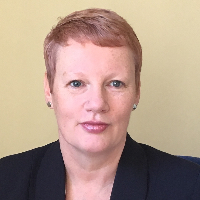
Sandra Barrett
BACP
5 years in practice
Supportive counsellor for stress and relationships
- LGBT
- Stress, Anxiety
- Relationship
UK counselling directory
1,392 counsellors list lgbt among the things they work with. All offer sessions online, and every profile shows the registering body, the membership number and when it runs to.
Explore counsellors and therapists who specialise in LGBT issues across the UK. Use the listings below to compare credentials, approaches and areas of experience to find someone who matches your needs.
BACP
5 years in practice
Supportive counsellor for stress and relationships
BACP
7 years in practice
Compassionate practical counselling for life challenges
BACP
5 years in practice English, Persian
Helping people find clearer steps forward
BACP
3 years in practice
Practical counselling for stress and relationships
BACP
5 years in practice
Person-centred counsellor for everyday struggles
6 years in practice
Supportive client-centred counsellor
BACP
10 years in practice
Integrative, relationship-focused counsellor
BACP
6 years in practice English, Punjabi
Calm, practical support for everyday struggles
BACP
6 years in practice
Warm, person-focused counselling for identity and stress
BACP
6 years in practice English, Thai
Practical, culturally aware counselling for adults
BACP
4 years in practice
Supportive counsellor for life changes and relationships
BACP
3 years in practice
Compassionate person-centred counsellor
BACP
10 years in practice English, Portuguese
Thoughtful Jungian-informed psychotherapy
BACP
12 years in practice
Practical, person-focused counselling and support
BACP
12 years in practice English, Spanish
Calm, practical support for life changes
BACP
14 years in practice
Understanding therapy that fits your life
BACP
8 years in practice English, Hindi
Empathic counsellor with practical tools
BACP
23 years in practice
Calm, practical counselling for everyday struggles
BACP
4 years in practice
Compassionate counsellor for trauma and neurodiversity
BACP, NCPS
18 years in practice English, Spanish
Experienced counsellor for life transitions
BACP, NCPS
4 years in practice
Practical, collaborative counselling for life challenges
3 years in practice
A person-centred counsellor who listens deeply
BACP
7 years in practice English, Polish
Experienced counsellor for trauma and life change
BACP
4 years in practice
Practical, empathic support for stress and trauma
BACP
6 years in practice
Practical, person-first counselling for everyday struggles
BACP
20 years in practice
Experienced counsellor blending insight and action
BACP
3 years in practice
Understanding listening and practical support
BACP
5 years in practice
Person-centred counsellor focused on relationships and change
BACP
26 years in practice
Experienced counsellor for life transitions
BACP, NCPS
6 years in practice
Compassionate, practical counselling support
BACP, NCPS
10 years in practice
Humanistic counsellor helping people make clearer choices
BACP
7 years in practice
Practical, person-centred counselling in the UK
BACP
5 years in practice
Calm, practical counselling for life’s hard moments
BACP
8 years in practice
Practical counselling for everyday struggles
BACP
25 years in practice
Experienced counsellor helping with anxiety and relationships
BACP
6 years in practice
Practical, person-focused counselling
BACP
11 years in practice English, Romanian
Experienced counsellor for relationship and trauma issues
BACP
3 years in practice
Understanding, calm counselling support
BACP
4 years in practice
Humanistic counsellor using flexible approaches
BACP
5 years in practice
Compassionate counsellor blending practical approaches
BACP
11 years in practice English, Mandarin
Calm, practical counselling for everyday struggles
BACP
13 years in practice
Empathetic counsellor for trauma and life stress
6 years in practice
Practical support for life changes and distress
BACP, NCPS
5 years in practice
Warm person-centred counsellor using CBT and ACT
BACP
11 years in practice
Compassionate integrative counsellor for life's challenges
BACP
9 years in practice
Calm practical support for life changes
BACP
3 years in practice
Experienced person-centred counsellor for life challenges
BACP
4 years in practice
Person-centred counsellor supporting life changes
Some links on this page are partner links. We will earn a commission if you sign up through one, at no cost to you.
LGBT refers broadly to people who identify as lesbian, gay, bisexual or transgender. Some pages and profiles in this category will also include queer, intersex and other identities within the initialism or in the extended term LGBT+. Identity covers sexual orientation, gender identity and gender expression, and each person's experience is unique. For many people, being LGBT is a positive and affirming aspect of who they are, but it can also intersect with social prejudice, family dynamics, faith, employment concerns and questions about relationships and selfhood.
You might seek counselling because of stress related to coming out, navigating relationships, managing minority stress, or coping with discrimination and microaggressions. Others look for support around changes to gender expression, accessing gender-affirming healthcare, or reconciling cultural and religious expectations with sexual or gender identity. Young people and older adults can both benefit from talking through identity-related concerns, as challenges can arise at any stage of life. Therapy can help you process feelings, consider practical steps and build resilience while respecting the distinct social context of LGBT lives in the UK.
You might consider seeking therapy if you notice persistent low mood, heightened anxiety, difficulty with relationships or a sense of disconnection linked to your sexual orientation or gender identity. These feelings can present as trouble sleeping, loss of interest in activities you used to enjoy, increased use of alcohol or other substances to cope, or repeated patterns in relationships that leave you feeling hurt or misunderstood. You do not have to be in crisis to benefit from counselling; many people choose to work with a therapist to develop coping strategies, reflect on identity milestones like coming out or transition, or manage family and workplace conversations.
Concerns about safety, harassment or legal matters can also prompt you to look for specialist support. If you experience minority stress - the ongoing pressure from stigma or exclusion - this can take a toll on mental health even when you are functioning day to day. Therapy can offer a space to make sense of these experiences, to develop practical steps and to build confidence in asserting your needs. If you are unsure whether therapy might help, an initial conversation with a counsellor who lists LGBT work among their focus areas can clarify how they can support you.
In early sessions you and your counsellor will usually spend time understanding your reasons for seeking help, your personal history and what you hope to get from therapy. You can expect questions about relationships, family, work, identity milestones and any current stressors. Together you will identify themes to focus on and set practical or emotional goals. Some people prefer short-term work to address a particular issue, while others choose longer-term therapy to explore deeper aspects of identity and life patterns.
The relationship with your counsellor is central. You should feel able to discuss how you would like them to address your identity, for example how they use names and pronouns, their approach to discussing sexual and gender-related experiences, and what you want to prioritise in sessions. Many therapists will note on their profiles whether they list LGBT work among their areas of experience, which can help you decide who to contact. Counselling sessions typically involve reflective conversation, exploration of emotions and practical planning. Your therapist may suggest strategies to manage anxiety, help with relationship communication or support you through social or medical transitions, always respecting your pace and choices.
Practitioners working with LGBT clients use a range of approaches. You will find counsellors who list cognitive behavioural approaches, psychodynamic perspectives, person-centred work, systemic ideas and narrative therapy among their approaches. Some profiles will mention approaches like acceptance and commitment therapy or mindfulness-based methods. It is important to remember that a therapist listing an approach on their profile is not the same as an endorsement of training; profiles indicate what a counsellor uses in their work, and you can ask about the practical application of any method during an initial conversation.
Approaches can differ in emphasis. Cognitive behavioural methods tend to focus on patterns of thought and practical skill-building to manage symptoms, while psychodynamic work explores deeper relational patterns and early experiences that shape identity. Narrative therapy can be helpful for exploring the stories you tell about yourself and your identity, allowing you to reframe experiences that have been shaped by stigma or exclusion. Family and couples work often draws on systemic ideas to address relational dynamics and to support partners or relatives in understanding identity-related changes. When you read profiles, pay attention to the language used about LGBT work and to any mention of experience with particular communities or life stages that feel relevant to you.
Online therapy uses video, phone or messaging to connect you with a counsellor remotely. For many people this offers practical advantages - you can access someone outside your immediate area, avoid travel time and select a therapist whose profile matches your needs even if they work from a different city. Online work can be particularly helpful if you live in a rural area, identify with a less visible community, or find it easier to speak from a familiar environment. When considering online options, you may want to check the therapist's listed approach to remote working and any notes on language or cultural competence shown on their profile.
Good online practice involves clear agreements about session length, cancellation terms and how to manage emergencies. You should talk to a counsellor about how they manage sensitive topics remotely and what they recommend if you need additional support between sessions. Online therapy can feel different from face-to-face work, but many people find they form a meaningful therapeutic relationship through video or phone. Think about where you will be during sessions - choosing a comfortable environment where you can speak freely will help you get the most from the work.
Start by looking for counsellors who explicitly list LGBT work among their focus areas or who describe experience with issues that match your concerns. Check whether they are registered or accredited with a recognised UK body such as BACP, HCPC or NCPS, and read profile notes about years of practice, languages spoken and particular community experience. Registration with these organisations indicates adherence to professional standards and ethics in the UK context. You may also prefer to work with someone who states experience with specific life stages - for example adolescence, midlife or later life - or with partners and families.
When you contact a counsellor, you can ask about their experience working with people who share aspects of your identity and how they approach topics like pronouns, family disclosure and gender-related healthcare navigation. It is reasonable to ask how they describe their therapeutic style and what a typical session looks like. If cultural or faith questions are important to you, find a counsellor who mentions experience in those areas. Trust your instincts about whether a counsellor feels like a good fit; the initial conversation is as much about your comfort as it is about their expertise. Taking time to compare approaches, credentials and stated experience will help you find a counsellor who can support you where you are now and help you move towards your goals.
Deciding to seek counselling is a personal step. Whether you are exploring identity, managing stress related to discrimination, navigating relationships or considering gender-related healthcare, a counsellor who lists LGBT work among their areas of experience can offer focused support. Use the listings below to review profiles, note relevant registrations and approaches, and choose someone whose stated experience and way of working aligns with what you need. You do not have to navigate this alone - careful selection can help you find a professional who respects your story and supports your next steps.