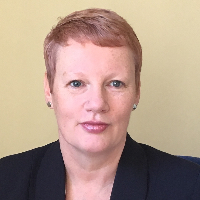
Joseph Shepherd
BACP
3 years in practice
Client-centred counsellor for life changes
- Stress, Anxiety
- Self esteem
- Career
UK counselling directory
2,252 counsellors list workplace issues among the things they work with. All offer sessions online, and every profile shows the registering body, the membership number and when it runs to.
This page lists counsellors who specialise in workplace issues, including stress, burnout and conflict at work. Browse the profiles below to learn about counsellors' approaches, qualifications and focus areas.
BACP
3 years in practice
Client-centred counsellor for life changes
BACP
4 years in practice
Practical counsellor for everyday struggles
BACP
5 years in practice
Supportive counsellor for stress and relationships
BACP
6 years in practice
Warm client-centred counsellor for life changes
BACP
7 years in practice
Compassionate practical counselling for life challenges
BACP
5 years in practice
Calm integrative counselling for adults
BACP
8 years in practice
Calm, flexible counselling for everyday struggles
BACP
5 years in practice English, Bengali
Experienced relational counsellor for life changes
BACP
15 years in practice
Experienced counsellor focused on stress and family concerns
BACP
10 years in practice English, Spanish
Experienced counsellor for anxiety and trauma
BACP
5 years in practice
Person-centred counsellor for everyday struggles
6 years in practice
Supportive client-centred counsellor
BACP
6 years in practice
Practical, down-to-earth counselling and coaching
BACP
10 years in practice
Integrative, relationship-focused counsellor
BACP
6 years in practice English, Punjabi
Calm, practical support for everyday struggles
BACP
6 years in practice English, Thai
Practical, culturally aware counselling for adults
BACP, NCPS
10 years in practice
Straight-talking person-centred counsellor
BACP
18 years in practice English, German
Attachment-focused counsellor with psychodynamic insight
BACP
6 years in practice
Calm, practical counselling for everyday struggles
22 years in practice English, Ndebele, South
Experienced counsellor for life’s hard moments
BACP
3 years in practice
Compassionate person-centred counsellor
BACP
7 years in practice English, Russian
Kind, practical counsellor focused on relationships
5 years in practice
Compassionate counsellor for life changes
BACP
12 years in practice
Practical, person-focused counselling and support
BACP
12 years in practice English, Spanish
Calm, practical support for life changes
BACP
14 years in practice English, Russian
Compassionate counsellor for recovery and change
BACP
4 years in practice
Experienced BACP counsellor for everyday challenges
10 years in practice English, Portuguese
Compassionate counsellor for life’s difficult moments
BACP
14 years in practice
Understanding therapy that fits your life
BACP
3 years in practice
Practical, person-focused counselling for everyday struggles
BACP
23 years in practice
Calm, practical counselling for everyday struggles
BACP
4 years in practice
Compassionate counsellor for trauma and neurodiversity
BACP
6 years in practice
Supportive counsellor using mixed therapeutic approaches
BACP, NCPS
18 years in practice English, Spanish
Experienced counsellor for life transitions
BACP, NCPS
4 years in practice
Practical, collaborative counselling for life challenges
BACP
12 years in practice
Calm, attachment-focused counsellor
BACP, NCPS
8 years in practice
Compassionate, practical counselling for emotional strain
BACP
3 years in practice
Gentle, practical support for life change
BACP
5 years in practice
Compassionate person-centred counsellor
BACP
5 years in practice
Practical, empathetic counselling for everyday struggles
BACP
20 years in practice
Experienced counsellor blending insight and action
BACP
3 years in practice
Understanding listening and practical support
BACP
5 years in practice
Person-centred counsellor focused on relationships and change
BACP, NCPS
6 years in practice
Compassionate, practical counselling support
BACP, NCPS
10 years in practice
Humanistic counsellor helping people make clearer choices
BACP
5 years in practice
Calm, practical support for everyday struggles
BACP
20 years in practice
Practical counselling for stress and life change
BACP
5 years in practice
Calm, practical counselling for life’s hard moments
Some links on this page are partner links. We will earn a commission if you sign up through one, at no cost to you.
Workplace issues cover a wide range of experiences that arise from your job, your place of work and the relationships you have within it. They can include chronic stress, repeated conflict with colleagues or managers, harassment, bullying, uncertainty after redundancy, difficulties managing workload and the sense of identity loss when your role changes. These concerns often spill over into other parts of life, affecting sleep, relationships, self-esteem and your sense of purpose. You may find yourself thinking about work when you are at home, or feeling unable to switch off after a busy day. That ongoing mental and emotional strain is common and understandable when the demands of work outweigh your coping resources.
Workplace difficulties do not only affect people in high-pressure jobs. Freelancers, part-time workers, carers, people returning from long-term absence and those starting new roles can all face work-related strains. Cultural expectations, organisational change and economic uncertainty create an environment where many people experience recurring worry about performance, fairness and belonging. Speaking with a counsellor can help you explore how these external pressures interact with your personal values, boundaries and responses so that you can find clearer ways forward.
You may notice a gradual or sudden change in how you think, feel or behave related to your work. This can include persistent anxiety about tasks or evaluations, intrusive thoughts about conflicts, frequent mood shifts during the working day and ongoing tiredness that does not improve with rest. You might be withdrawing from colleagues, avoiding meetings, procrastinating more than usual or experiencing physical symptoms such as headaches or digestive upset that seem tied to work. If you find yourself ruminating over workplace interactions long after they occur, or if your confidence and motivation have declined, these are indicators that talking with a counsellor could be helpful.
In addition to emotional signs, you might notice practical changes. Your sleep pattern could be disrupted, affecting concentration and memory. You may be using alcohol, food or other behaviours to manage stress. Sometimes people come seeking support not because of an acute crisis but because they want to develop better coping strategies, negotiate boundaries, plan a career change or rebuild after redundancy. Seeking help early can reduce the length of distress and give you tools to manage similar situations in future, rather than letting patterns become entrenched.
When you engage with a counsellor about workplace concerns, the initial sessions typically focus on establishing a trusting working relationship and understanding your experience in context. Your counsellor will invite you to describe the aspects of work that are most troubling, the impact on your life and any immediate goals you have for the time you spend together. You can expect a collaborative process where you explore how past experiences, current workload, relationships and values influence what you do and how you feel at work.
Therapy can involve exploring practical skills such as stress management, communication techniques and boundary setting alongside deeper reflection on beliefs about worth, achievement and identity. Sessions often balance short-term problem solving with longer-term exploration of patterns that contribute to repeated difficulties. You will be encouraged to try things between sessions - for example, testing a new way of speaking up at work or practising relaxation - and then reflect on what did and did not help. The pace is tailored to you, and the aim is to build clarity and tools you can use when workplace pressures arise again.
There is no single therapy that suits everyone, and counsellors bring different approaches depending on their experience and the needs you express. Many counsellors draw on cognitive and behavioural ideas to help you identify unhelpful thinking patterns that fuel anxiety or avoidance, and to develop practical strategies for managing stress and improving performance. Others may focus on relational or psychodynamic perspectives to explore how earlier life experiences shape your reactions to authority, criticism and belonging at work.
Some counsellors list person-centred approaches that emphasise your own capacity to find solutions in a non-judgemental setting, while others include mindfulness-based methods to help with concentration and emotional regulation. There are also counsellors who mention approaches such as acceptance and commitment style work as part of their toolkit. When you read counsellor profiles on this site you will see the approaches they list; these indicate the ways they might work rather than formal endorsements of competence in any single method. It can be useful to choose someone whose described approaches align with how you like to work - whether that is practical and goal-focused or reflective and exploratory.
Online counselling is a common option for people with work-related concerns because it can reduce travel time and fit more easily around work schedules. You can have sessions by video call, phone or written messaging, depending on what the counsellor offers. Video sessions replicate much of the face-to-face interaction, allowing you to read tone and expression, while telephone sessions offer a greater degree of anonymity for those who prefer not to be seen. Messaging work can be helpful between live sessions for reflection and follow-up, though it may not be suitable for all issues.
Before starting online work, discuss practicalities with any counsellor you are considering. Talk about session length, fees, technology platforms, and how you will manage privacy at your end of the call - for example by choosing a quiet room or arranging a time when you will not be interrupted. Also ask about the counsellor's registration and professional membership; many in the UK are registered with BACP, HCPC or NCPS, and membership gives an indication of adherence to ethical standards and ongoing professional development. Remember that online counselling still follows professional boundaries and you can expect the same focus on building a helpful therapeutic relationship.
Selecting a counsellor is a personal decision and you will want someone whose experience and approach suit your needs. Start by considering the specific issues you want to address - such as bullying, burnout, career transition or performance anxiety - and look for counsellors who describe a focus on those areas. Pay attention to how counsellors describe their approach and whether that matches your preference for practical strategies, reflective exploration or a mixture of both.
Check each counsellor's professional registration and how they present their continuing development, as this can give you confidence in their commitment to good practice. Language and cultural fit can also matter - many counsellors indicate the languages they work in or experience with particular workplace cultures. Finally, think about practical factors such as session length and whether you prefer online or in-person meetings. You do not need to commit to a long course of work; many people begin with a small number of sessions to address immediate concerns and then decide whether to continue. Choosing someone you feel comfortable with will give you the best chance of making steady progress with the challenges you face at work.