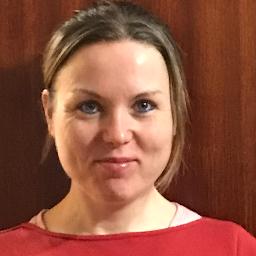
Joseph Shepherd
BACP
3 years in practice
Client-centred counsellor for life changes
- Stress, Anxiety
- Self esteem
- Career
UK counselling directory
2,649 counsellors list life purpose among the things they work with. All offer sessions online, and every profile shows the registering body, the membership number and when it runs to.
Find counsellors who specialise in life purpose, offering support to explore values, meaning and direction. Browse the listings below to compare registered UK counsellors by approach, experience and languages spoken.
BACP
3 years in practice
Client-centred counsellor for life changes
BACP
4 years in practice
A calm, practical counsellor for relationships
BACP
3 years in practice
Calm, practical support for anxiety and grief
BACP
4 years in practice
Practical counsellor for everyday struggles
BACP
5 years in practice
Supportive counsellor for stress and relationships
BACP
6 years in practice
Warm client-centred counsellor for life changes
BACP
7 years in practice
Compassionate practical counselling for life challenges
BACP
4 years in practice
Practical support for stress and trauma recovery
BACP
5 years in practice
Calm integrative counselling for adults
BACP
8 years in practice
Calm, flexible counselling for everyday struggles
BACP
3 years in practice
Understanding support for stress and trauma
BACP
5 years in practice English, Bengali
Experienced relational counsellor for life changes
BACP
8 years in practice
Supportive counsellor for stressful life changes
BACP
15 years in practice
Experienced counsellor focused on stress and family concerns
BACP
10 years in practice English, Spanish
Experienced counsellor for anxiety and trauma
BACP
5 years in practice
Person-centred counsellor for everyday struggles
6 years in practice
Supportive client-centred counsellor
BACP
6 years in practice
Practical, down-to-earth counselling and coaching
BACP
10 years in practice
Integrative, relationship-focused counsellor
BACP
6 years in practice English, Punjabi
Calm, practical support for everyday struggles
BACP
3 years in practice
Practical support for stress and life changes
BACP
6 years in practice English, Thai
Practical, culturally aware counselling for adults
BACP, NCPS
10 years in practice
Straight-talking person-centred counsellor
BACP
18 years in practice English, German
Attachment-focused counsellor with psychodynamic insight
BACP
6 years in practice
Calm, practical counselling for everyday struggles
22 years in practice English, Ndebele, South
Experienced counsellor for life’s hard moments
BACP
3 years in practice
Compassionate person-centred counsellor
BACP
7 years in practice English, Russian
Kind, practical counsellor focused on relationships
5 years in practice
Compassionate counsellor for life changes
BACP
12 years in practice
Practical, person-focused counselling and support
BACP
12 years in practice English, Spanish
Calm, practical support for life changes
BACP
14 years in practice English, Russian
Compassionate counsellor for recovery and change
BACP
4 years in practice
Experienced BACP counsellor for everyday challenges
10 years in practice English, Portuguese
Compassionate counsellor for life’s difficult moments
BACP
14 years in practice
Understanding therapy that fits your life
BACP
20 years in practice
Compassionate psychodynamic counsellor for life changes
BACP
23 years in practice
Calm, practical counselling for everyday struggles
BACP
4 years in practice
Compassionate counsellor for trauma and neurodiversity
BACP
6 years in practice
Supportive counsellor using mixed therapeutic approaches
BACP, NCPS
18 years in practice English, Spanish
Experienced counsellor for life transitions
BACP, NCPS
4 years in practice
Practical, collaborative counselling for life challenges
BACP
12 years in practice
Calm, attachment-focused counsellor
BACP, NCPS
8 years in practice
Compassionate, practical counselling for emotional strain
BACP
3 years in practice
Gentle, practical support for life change
3 years in practice
A person-centred counsellor who listens deeply
BACP
3 years in practice English, Bengali
Calm practical therapy for everyday struggles
BACP
7 years in practice English, Polish
Experienced counsellor for trauma and life change
BACP
7 years in practice
Person-centred counsellor for life changes
Some links on this page are partner links. We will earn a commission if you sign up through one, at no cost to you.
Life purpose is a phrase people use to describe the sense of direction, meaning and values that guide daily choices and long-term goals. For some, purpose is tied to career and contribution. For others, it emerges from relationships, creativity, spirituality or community involvement. You may notice that your sense of purpose changes at different life stages - when you move city, change job, become a parent, finish education or experience loss. These transitions often prompt reflection about what matters most to you.
When you are clear about your priorities, decision-making can feel easier and your day-to-day life can feel more coherent. When purpose feels missing or unclear, you might experience low motivation, confusion about next steps or a nagging sense that something is off. That uncertainty can be tiring and make other stresses harder to manage. Counselling that focuses on life purpose helps you explore the underlying values and narratives that shape your choices, and can support you in creating a life that feels more in line with who you are.
You might consider seeking support if you find yourself repeatedly asking what your life is about, if you feel stuck in routines that no longer fit, or if key decisions leave you paralysed rather than energised. A loss of meaning can appear as persistent dissatisfaction despite external successes, a growing mismatch between your work and your values, or anxiety about whether you are on the right path. You may also notice changes in mood, sleep or appetite that follow from existential uncertainty, or feel isolated because friends and family do not share your questions.
Sometimes the trigger is a specific event - redundancy, retirement, the end of a long relationship, bereavement or a health scare. At other times the feeling creeps in slowly, as you compare your life to expectations or social milestones. Counselling can be helpful both when the need for clarity is urgent and when you are seeking gentle guidance over time. If you want a space to reflect, experiment with new narratives, and take practical steps toward meaningful goals, life purpose counselling may be relevant for you.
When you begin counselling for life purpose, you can expect an exploratory, collaborative process rather than a quick fix. Early sessions often focus on building rapport and mapping your current situation - the aspects of life that feel aligned and those that feel out of step. Your counsellor will listen for themes around values, identity, relationships, career and recurring patterns that may influence your sense of direction. This is an opportunity to name the feelings you are carrying and to set initial goals for your work together.
As sessions progress, you will typically engage in reflective exercises, narrative exploration and practical planning. Reflection may involve examining early influences on your values, noticing repeated life patterns, and distinguishing between internal expectations and external pressures. Practical work might include testing small changes in daily life, revising goals so they are achievable, and developing routines that reflect what you want to prioritise. The pace depends on you; some people move quickly to decision-making while others prefer sustained reflection and experimentation.
Throughout the process your counsellor will use listening, questioning and feedback to help you articulate what matters. Counselling is a personal process, and you should expect your sessions to be tailored to your needs and cultural context. If you have particular concerns about identity, spirituality or career transitions, you can look for counsellors who list those focus areas among their specialisms in their profiles.
There is no single approach to life purpose counselling, and many counsellors draw on multiple ways of working to suit your needs. Existential approaches pay direct attention to questions of meaning, freedom and responsibility, helping you explore how you relate to life’s big questions. Narrative approaches help you see the stories you tell about yourself and consider alternative narratives that support purpose and resilience. Person-centred work emphasises your own pace and priorities, offering a reflective space to discover what feels authentic.
Cognitive and behavioural approaches can be helpful when the struggle for purpose intersects with unhelpful thinking patterns or avoidance behaviours - you can work on changing small habits and beliefs that block action. Acceptance and commitment approaches encourage you to clarify values and commit to actions aligned with them, even in the presence of discomfort. Mindfulness-based methods support present-moment awareness, which can make it easier to notice values in action. When you look at counsellor profiles, you may see references to these and other approaches; remember that such listings indicate that the counsellor mentions these approaches among their methods, not a specific credential in them.
Online counselling makes it possible to work on life purpose from a location that suits you, which can be particularly useful if you live outside urban centres or need flexibility around work and family commitments. Sessions commonly take place via video call, telephone or text-based messaging, and you should expect an initial discussion about format and practicalities. Working online can help you practise decision-making and experimentation in your everyday context, since changes you try out take place in the same life setting you discuss with your counsellor.
There are practical considerations when choosing online counselling. Think about the technology you prefer and whether you have a reliable internet connection for video sessions. Consider whether you want sessions at home or in a different setting, and try to create a quiet space where you can reflect without interruption. If you are exploring culturally specific values, identity issues or language preferences, you can search for counsellors who list those areas or languages in their profiles to find a better fit. Many counsellors are registered with professional bodies such as BACP, HCPC or NCPS, and listing registration on a profile helps you understand their professional context.
Choosing a counsellor is a personal decision and it helps to approach the search with a clear idea of what you want to explore. Start by reflecting on whether you want practical goal-oriented work, in-depth reflection, or a mix of both. Use profile details to compare counsellors by their stated focus areas, approaches and experience. If cultural background, gender, language or specialist experience matters to you, look for these specifics in profiles. When you see mentions of approaches such as acceptance and commitment or narrative therapy, recognise that these indicate the counsellor lists them among their approaches rather than a formal claim about training in each method.
Professional registration is an important factor to consider. Registrations with BACP, HCPC or NCPS indicate that a counsellor is working within a recognised professional framework and adheres to ethical standards. You may also want to consider practical matters such as session length, fees and whether you prefer online or in-person work, but remember that these operational details can change over time. Trust your instincts about rapport - many people find an initial contact or an introductory conversation helpful for deciding whether a counsellor feels like a good match. Over time you can review progress against the goals you set and adjust the focus of your work as your sense of purpose evolves.
Exploring life purpose is often a gradual process of uncovering values, testing new directions and learning from experience. Counselling can provide a structured space to hold that work and to translate reflection into practical steps. Whether you are seeking clarity after a change or hoping to create a life more aligned with your values, careful selection of a counsellor who lists relevant approaches and has appropriate registration can help you find a supportive professional relationship for this important work.