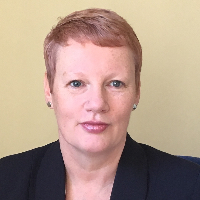
Sandra Barrett
BACP
5 years in practice
Supportive counsellor for stress and relationships
- Stress, Anxiety
- Relationship
- Grief
UK counselling directory
2,014 counsellors list midlife crisis among the things they work with. All offer sessions online, and every profile shows the registering body, the membership number and when it runs to.
This directory page lists UK counsellors and therapists who work with midlife crisis and related life transitions. Browse the profiles below to compare approaches, registration and experience to find a counsellor who suits your needs.
BACP
5 years in practice
Supportive counsellor for stress and relationships
BACP
6 years in practice
Warm client-centred counsellor for life changes
BACP
7 years in practice
Compassionate practical counselling for life challenges
BACP
5 years in practice English, Persian
Helping people find clearer steps forward
BACP
5 years in practice
Calm integrative counselling for adults
BACP
5 years in practice English, Bengali
Experienced relational counsellor for life changes
BACP
15 years in practice
Experienced counsellor focused on stress and family concerns
BACP
10 years in practice English, Spanish
Experienced counsellor for anxiety and trauma
6 years in practice
Supportive client-centred counsellor
BACP
6 years in practice
Practical, down-to-earth counselling and coaching
BACP
6 years in practice English, Punjabi
Calm, practical support for everyday struggles
BACP
6 years in practice
Warm, person-focused counselling for identity and stress
BACP
3 years in practice
Practical support for stress and life changes
BACP
6 years in practice English, Thai
Practical, culturally aware counselling for adults
BACP, NCPS
10 years in practice
Straight-talking person-centred counsellor
BACP
18 years in practice English, German
Attachment-focused counsellor with psychodynamic insight
BACP
6 years in practice
Calm, practical counselling for everyday struggles
22 years in practice English, Ndebele, South
Experienced counsellor for life’s hard moments
BACP
3 years in practice
Compassionate person-centred counsellor
5 years in practice
Compassionate counsellor for life changes
BACP
12 years in practice
Practical, person-focused counselling and support
BACP
12 years in practice English, Spanish
Calm, practical support for life changes
BACP
14 years in practice English, Russian
Compassionate counsellor for recovery and change
BACP
4 years in practice
Experienced BACP counsellor for everyday challenges
BACP
14 years in practice
Understanding therapy that fits your life
BACP
20 years in practice
Compassionate psychodynamic counsellor for life changes
BACP
23 years in practice
Calm, practical counselling for everyday struggles
BACP, NCPS
18 years in practice English, Spanish
Experienced counsellor for life transitions
BACP, NCPS
4 years in practice
Practical, collaborative counselling for life challenges
BACP, NCPS
8 years in practice
Compassionate, practical counselling for emotional strain
BACP
7 years in practice English, Polish
Experienced counsellor for trauma and life change
BACP
7 years in practice
Person-centred counsellor for life changes
BACP
5 years in practice
Practical, empathetic counselling for everyday struggles
BACP
5 years in practice
Calm, practical support for everyday struggles
BACP
6 years in practice
Practical, person-first counselling for everyday struggles
BACP
20 years in practice
Experienced counsellor blending insight and action
BACP, NCPS
6 years in practice
Compassionate, practical counselling support
BACP, NCPS
10 years in practice
Humanistic counsellor helping people make clearer choices
BACP
5 years in practice
Calm, practical support for everyday struggles
BACP
20 years in practice
Practical counselling for stress and life change
BACP
5 years in practice
Calm, practical counselling for life’s hard moments
BACP
5 years in practice
Practical, respectful counselling for life challenges
BACP
4 years in practice
Compassionate counselling that focuses on change
BACP
24 years in practice
Experienced counsellor offering steady, practical support
BACP
9 years in practice English, Russian
Calm, practical counselling with a listening approach
BACP
4 years in practice
Person-centred counsellor offering steady support
BACP
25 years in practice
Experienced counsellor helping with anxiety and relationships
BACP
5 years in practice
Calm practical counselling for stress and loss
Some links on this page are partner links. We will earn a commission if you sign up through one, at no cost to you.
Midlife crisis is a phrase often used to describe a period of questioning and change that many people experience in mid-adulthood. It can involve reassessing life choices, relationships, work, and personal identity. For some people it arrives gradually as you notice dissatisfaction or a sense of time passing more quickly. For others it can feel abrupt - triggered by an event such as children leaving home, a relationship breakdown, redundancy or health concerns. Emotions you might notice include restlessness, regret, anxiety about the future, low mood, or a desire to make dramatic changes. These feelings are part of a process of adjustment rather than a single condition, and their intensity varies widely from person to person.
How a midlife transition affects your day-to-day life depends on factors including your support network, financial situation, cultural expectations and previous coping strategies. You may find your priorities shifting, or you might feel pressure to behave in ways that others expect rather than what feels right for you. Work performance, family roles and social connections can all be influenced. Recognising that this phase often involves deep questions about meaning and purpose can help you approach it with curiosity rather than judgement. Therapy can be a space to explore these questions with an experienced practitioner who focuses on adulthood and life-stage transitions.
It is common to wonder whether the feelings you are experiencing call for professional support, and there is no single threshold that applies to everyone. You might consider seeking therapy if your changes in mood or behaviour are interfering with relationships, work or everyday functioning. Persistent low mood, a growing sense of emptiness, prolonged indecision about major life choices, or repeated attempts at major life changes that leave you unsettled are signals that talking to a counsellor could help. If you find yourself behaving in ways that you later regret or if you withdraw from friends and family, these can be indicators that deeper exploration would be beneficial.
You might also look for therapy if you are coping with grief, loss, or a specific triggering event that has amplified your sense of transition. Counselling can support you to make considered decisions rather than impulsive ones, to clarify values and priorities, and to rebuild a sense of direction. Choosing to explore these issues with a professional does not mean you are failing; it means you are prioritising reflective space to work through complex emotions and practical decisions.
In the early sessions you can expect to talk about what has brought you to therapy and the themes that feel most pressing. A counsellor will usually ask about your personal history, relationships, work and current stressors, and will explore the thoughts and feelings that accompany your midlife concerns. This is also a time to discuss information-sharing boundaries practices and the professional registration that the counsellor holds, such as membership of BACP or registration with HCPC or NCPS. You should be able to ask questions about the counsellor's experience with midlife issues and the approaches they list among their work.
As therapy continues you and your counsellor will shape the work to suit your priorities. Some people use sessions to process emotions and gain perspective on their life story. Others focus on concrete decisions - for example, whether to change career, negotiate relationship boundaries, or make lifestyle changes. Therapy can help you identify values and practical steps that align with those values. Counselling is an active collaboration in which you will be supported to reflect, experiment with new ways of coping, and evaluate how changes affect your wellbeing and relationships.
Therapists who list different approaches among their work bring varied perspectives to midlife issues. Person-centred approaches tend to emphasise the quality of the therapeutic relationship and help you explore your experience in a non-judgemental way. Psychodynamic approaches can offer insight into how earlier life patterns influence current choices and feelings. Cognitive and behavioural approaches focus on identifying unhelpful thought patterns and testing practical changes in behaviour. Narrative approaches invite you to re-author the stories you tell about your life and possibilities for the future.
Other practitioners may list experiential, somatic or existential approaches among their work, each offering a different frame for exploring meaning, bodily experience, and values. It is important to remember that listing an approach does not prove specific training. When you read practitioner profiles you may find it useful to note which approaches resonate with you and to ask about how those approaches are applied to midlife themes. Different styles suit different people; some prefer reflective, exploratory work while others gravitate toward goal-focused sessions that prioritise decision-making and planning.
Online therapy has become an established option for many people and can be particularly convenient when you need flexibility around work or family commitments. Sessions are typically conducted by video call, telephone, or messaging platforms according to what your counsellor lists and the communication methods they use. The structure of online sessions mirrors in-person work in many ways - you will still have regular appointments, agreed goals and a professional relationship with someone who focuses on midlife concerns. Many clients appreciate being able to choose a counsellor from a wider geographic area and to access particular languages or specialisms that may be scarce locally.
There are practical considerations when you choose online counselling. You will need a quiet, comfortable space where you can speak openly without interruption. You may also want to check how the counsellor handles records, fees and contact between sessions. Some people find online sessions more emotionally intense because the technology can feel intimate, while others prefer the distance it provides. If you have accessibility needs or mobility limitations, online work can be a good way to reduce barriers to engaging in therapy. A clear discussion at the start about how sessions will run helps you feel more confident about the format.
Choosing a counsellor is a personal decision and there are several factors you can consider when comparing profiles. Think about the counsellor's stated experience with midlife themes and whether their described approaches appeal to you. Look for information about professional registration such as membership of BACP or registration with HCPC or NCPS, and read any biographical notes that indicate experience with adulthood, relationships, work transitions or ageing. Language and cultural background can be important if you want a practitioner who understands particular life contexts or values.
Trust your sense of fit when you read profiles and prepare a few questions to ask in an initial conversation. You might ask how they typically work with people facing major life decisions, what they find helpful when identity shifts are involved, and how they balance emotional exploration with practical planning. It is reasonable to expect a counsellor to discuss their approach and to explain how they support clients through transitions. You should also consider practicalities such as session length, fees and the format they offer, bearing in mind that the most useful match is not necessarily the one with the most impressive credentials but the one where you feel heard and able to do the work you want to do.
Working with a counsellor can give you space to examine your priorities, make considered changes, and rebuild a sense of purpose that fits the life you want to lead. Whether you prefer in-person or online sessions, the profiles below are a starting point for finding someone whose focus, registration and approach align with your needs.