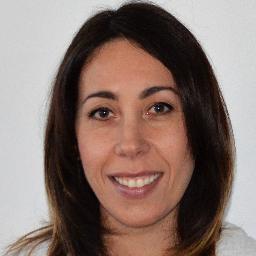
Patricia Oliveira
BACP
10 years in practice English, Portuguese
Thoughtful Jungian-informed psychotherapy
- Relationship
- Family
- Parenting
UK counselling directory
36 counsellors in this directory name Portuguese among the languages they offer sessions in.
Having therapy in your native language can make it easier to express emotions and cultural experiences. Browse the Portuguese-speaking therapists below to view profiles, approaches and languages.
BACP
10 years in practice English, Portuguese
Thoughtful Jungian-informed psychotherapy
10 years in practice English, Portuguese
Compassionate counsellor for life’s difficult moments
BACP
3 years in practice English, Portuguese
Experienced counsellor focusing on stress and trauma
BACP
10 years in practice English, Portuguese
Healing through listening and practical steps
40 years in practice English, Italian
Experienced counsellor blending therapy and mentoring
BACP
8 years in practice English, Spanish
Practical, compassionate counselling for life challenges
10 years in practice English, Portuguese
Mindful, practical counselling for emotional balance
BACP
8 years in practice English, Portuguese
A calm, practical counsellor for life’s hard moments
BACP
5 years in practice English, Spanish
Warm counsellor for relationship and trauma concerns
BACP
11 years in practice English, Portuguese
Depth-oriented psychodynamic counsellor
BACP
23 years in practice English, Portuguese
Experienced counsellor for life challenges
BACP
7 years in practice English, Portuguese
Body-informed counselling for stress and trauma
BACP
27 years in practice English, Portuguese
Person-centred counsellor for relationship and grief
HCPC, BACP
16 years in practice English, Portuguese
Psychodynamic counsellor with an attachment focus
BACP
3 years in practice English, Spanish
Person-centred counsellor for anxiety and trauma
9 years in practice English, Portuguese
Short-term, emotion-focused counselling
BACP
6 years in practice English, Portuguese
Warm relational therapist for trauma and relationships
BACP
6 years in practice English, Portuguese
Therapist focusing on stress and life changes
BACP
17 years in practice English, Portuguese
Calm, practical counselling for emotional challenges
BACP
6 years in practice English, Portuguese
Calm, practical support for everyday struggles
15 years in practice English, Portuguese
Compassionate counsellor for stress and trauma
BACP
22 years in practice English, Spanish
Experienced addiction and relationship counsellor
BACP
10 years in practice English, Portuguese
Practical, collaborative counselling for everyday challenges
BACP
9 years in practice English, Portuguese
Calm, person-centred counselling for life changes
BACP
6 years in practice English, Portuguese
Gentle, relationship-focused counselling for life challenges
6 years in practice English, Portuguese
Calm, practical counselling for stress and relationships
BACP
3 years in practice English, Portuguese
Calm, adaptable counselling for daily strains
BACP
12 years in practice English, Portuguese
Counsellor blending practical therapy and deeper meaning
BACP
10 years in practice English, Portuguese
Calm, creative counselling for trauma and loss
BACP
8 years in practice English, Portuguese
Compassionate counsellor offering practical help
15 years in practice English, Portuguese
Calm, practical therapy for life changes
BACP
5 years in practice English, Portuguese
Warm, practical counselling for life challenges
BACP
4 years in practice English, Portuguese
Integrative counsellor focusing on relationships
5 years in practice English, Portuguese
Calm, practical counselling with mindfulness focus
BACP, NCPS
3 years in practice English, Portuguese
Practical support for anxiety and life changes
8 years in practice English, Portuguese
Compassionate counsellor for practical change
Some links on this page are partner links. We will earn a commission if you sign up through one, at no cost to you.
When you talk about feelings, memories or identity, the words you reach for matter. Speaking in Portuguese can let you access subtle emotional meanings, idioms and cultural references that may be harder to find in another language. You may find it easier to describe long-held family patterns, childhood stories or social expectations when you can use the exact phrases you grew up with. That connection between language and meaning matters because therapy is not only about techniques - it is about being heard, understood and reflected in a way that fits your life.
For many people the choice to meet with a Portuguese-speaking counsellor is also about cultural understanding. Cultural values around family, honour, faith and community shape how you make sense of distress and seek help. A therapist who shares linguistic fluency may be more likely to recognise these cultural dimensions in your stories and respond in ways that feel relatable. That does not mean every Portuguese-speaking practitioner will share your background or beliefs. It does mean that language can create a foundation for more precise communication and easier rapport building.
If you use a language you are less comfortable with, you might notice certain emotions are harder to name or certain memories feel flattened. You may rely on more general phrases or clinical words that do not capture the full texture of an experience. This can make sessions feel unsatisfying or slow progress because you spend more time finding words than exploring meaning. When expression is constrained, it can also affect how you connect with the therapeutic relationship - you might hold back, joke rather than cry, or avoid topics that feel linguistically risky.
Interpreters and bilingual clinicians offer routes around this, but they introduce their own dynamics. Using an interpreter changes who is present to hear and reflect on your story. Working directly with a Portuguese-speaking therapist reduces the layers between you and the listener, which can help you speak more freely. You should expect a collaborative pace - sometimes it takes extra time to unpack metaphors or cultural references, but this deeper work often leads to richer understanding of your patterns and choices.
Online therapy offers a way to connect with Portuguese-speaking counsellors across the UK and beyond. When you choose video or phone sessions, you can meet with someone who communicates in Portuguese while staying in a setting that suits you. Sessions usually follow a conversational rhythm - you and the therapist will agree how to begin, whether you want short-term practical work or an open-ended exploration, and what goals you want to focus on. A therapist may describe their typical approaches on their profile so you can see whether they align with the kind of work you want to do.
Different therapists describe their approaches in various ways. Some list cognitive-behavioural tools, while others describe relational or psychodynamic perspectives. You may also find therapists who list EMDR among their approaches or who refer to narrative, person-centred or systemic ideas. Those descriptions indicate the angles a therapist uses to make sense of problems, not an assurance of particular qualifications in every method. It can be helpful to read several profiles and look for a counsellor who speaks Portuguese and whose approach resonates with how you want to work.
Think about the environment from which you will join sessions. Choose a quiet room where you can speak without interruption and feel comfortable expressing yourself in Portuguese. Test your camera and microphone beforehand if you plan to use video. If you prefer text-based contact, some therapists describe elements of their service that include messaging - these details are typically shown in their profiles. Remember that meeting online still involves establishing boundaries about timings, fees and session length - these are practical matters you can clarify before you begin.
Cultural stigma around mental health can make it difficult to reach out for help. In many Portuguese-speaking communities, admitting vulnerability may feel like risking shame or disappointing family expectations. You may worry about how disclosure will be received or whether therapy fits with religious or cultural coping strategies. These concerns are valid and often become important themes to explore with a counsellor who understands the cultural context of your life.
Finding a therapist who speaks Portuguese can also present logistical challenges. Where you live, limited local provision or a small number of bilingual practitioners may make the search feel slow. Online options broaden the pool of counsellors you can consider, so you can look beyond geographic constraints. Another common worry is whether a therapist will understand family dynamics, migration experiences or bilingual identity. When you read profiles, look for references to experience working with cultural diversity or migration issues, and for language that indicates comfort with the topics you need to discuss.
Online therapy increases access to counsellors who speak Portuguese, allowing you to connect with someone whose language fits your needs even if they are not local. That wider access can be particularly helpful if you prefer a therapist from a specific region, cultural tradition or generational background. Online work also offers scheduling flexibility - you can meet from home or another comfortable setting without spending travel time. Many people appreciate the convenience and the ability to maintain continuity of care when they move between locations.
When choosing a Portuguese-speaking therapist, start by thinking about what matters most to you. Consider whether you prefer a counsellor who uses practical, skills-based work or someone who focuses on exploring relationships and history. Look at the language used in profiles to get a sense of tone - some counsellors write in a direct, practical style while others use reflective, relational language. Note any mention of working with cultural issues, migration, family systems or bilingual identity, as these indicate familiarity with common themes in Portuguese-speaking communities.
It can also help to check that a counsellor is registered or accredited with a recognised UK professional body, as this gives you clarity about ethical standards and professional oversight. When you contact a therapist, you may want to ask how they work with cultural factors, how they handle practical questions about fees and session length, and how they approach information-sharing boundaries and record-keeping. These are reasonable points to discuss so you can decide whether the counsellor is a good fit for your needs.
Finding a Portuguese-speaking therapist is a personal process. Give yourself permission to explore different profiles and approaches. Over time, you are likely to notice whether a therapist's language, tone and cultural understanding allow you to speak more freely and to shape the kind of change you want in your life. If you take that first step to search and reach out, you can build a therapeutic relationship that honours your language and the meanings you carry in Portuguese.