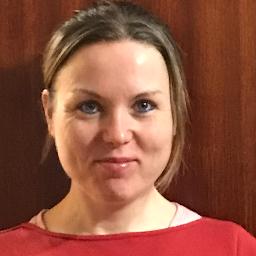
Sandra Barrett
BACP
5 years in practice
Supportive counsellor for stress and relationships
- Stress, Anxiety
- Relationship
- Grief
UK counselling directory
1,300 counsellors list eating disorders among the things they work with. All offer sessions online, and every profile shows the registering body, the membership number and when it runs to.
This page lists counsellors who specialise in eating disorders, with profile details about therapeutic approaches, languages and professional registration. Browse the listings below to learn about different approaches and find counsellors who may be a good match for your needs.
BACP
5 years in practice
Supportive counsellor for stress and relationships
BACP
5 years in practice English, Persian
Helping people find clearer steps forward
BACP
5 years in practice English, Bengali
Experienced relational counsellor for life changes
BACP
5 years in practice
Person-centred counsellor for everyday struggles
6 years in practice
Supportive client-centred counsellor
BACP
10 years in practice
Integrative, relationship-focused counsellor
BACP
6 years in practice English, Punjabi
Calm, practical support for everyday struggles
BACP
6 years in practice English, Thai
Practical, culturally aware counselling for adults
BACP
22 years in practice
Experienced BACP counsellor for life changes
BACP
4 years in practice
Supportive counsellor for life changes and relationships
22 years in practice English, Ndebele, South
Experienced counsellor for life’s hard moments
BACP
3 years in practice
Compassionate person-centred counsellor
BACP
12 years in practice
Practical, person-focused counselling and support
BACP
12 years in practice English, Spanish
Calm, practical support for life changes
BACP
14 years in practice English, Russian
Compassionate counsellor for recovery and change
10 years in practice English, Portuguese
Compassionate counsellor for life’s difficult moments
BACP
8 years in practice English, Hindi
Empathic counsellor with practical tools
BACP
23 years in practice
Calm, practical counselling for everyday struggles
BACP, NCPS
18 years in practice English, Spanish
Experienced counsellor for life transitions
BACP, NCPS
4 years in practice
Practical, collaborative counselling for life challenges
3 years in practice
A person-centred counsellor who listens deeply
BACP
4 years in practice
Calm practical support for life’s hard moments
BACP
5 years in practice
Calm, practical support for everyday struggles
BACP
20 years in practice
Experienced counsellor blending insight and action
BACP
3 years in practice
Understanding listening and practical support
BACP, NCPS
10 years in practice
Humanistic counsellor helping people make clearer choices
BACP
20 years in practice
Practical counselling for stress and life change
BACP
7 years in practice
Practical, person-centred counselling in the UK
BACP
5 years in practice
Practical, respectful counselling for life challenges
BACP
8 years in practice
Practical counselling for everyday struggles
BACP
4 years in practice
Compassionate counselling that focuses on change
BACP
24 years in practice
Experienced counsellor offering steady, practical support
BACP
9 years in practice English, Russian
Calm, practical counselling with a listening approach
BACP
25 years in practice
Experienced counsellor helping with anxiety and relationships
BACP
10 years in practice
Practical, compassionate counselling with clear goals
BACP
5 years in practice
Gentle, practical therapy for everyday challenges
BACP
9 years in practice
Calm, practical counselling for life challenges
BACP
3 years in practice
Understanding, calm counselling support
BACP
4 years in practice
Humanistic counsellor using flexible approaches
BACP
5 years in practice
Compassionate counsellor blending practical approaches
BACP
4 years in practice
Compassionate counsellor for life transitions
BACP
11 years in practice English, Mandarin
Calm, practical counselling for everyday struggles
BACP
13 years in practice
Empathetic counsellor for trauma and life stress
BACP
3 years in practice
Calm practical support for stress and trauma
BACP, NCPS
5 years in practice
Warm person-centred counsellor using CBT and ACT
BACP
8 years in practice
Calm, practical support for life’s hard moments
BACP
11 years in practice
Compassionate integrative counsellor for life's challenges
BACP
4 years in practice English, Italian
Compassionate counsellor for stress and relationships
Some links on this page are partner links. We will earn a commission if you sign up through one, at no cost to you.
Eating disorders are a group of difficulties that can profoundly affect a person’s relationship with food, body image and wellbeing. They can present in different ways - for some people the concern centres on controlling food intake, for others the worry is about loss of control around eating or compulsive behaviours related to food and weight. Emotional distress, low mood, intense anxiety and preoccupation with shape or size are commonly experienced alongside changes in sleep, energy, social activity and concentration. Physical health can be affected as well, which is why many people live with eating disorders alongside medical or nutritional input.
How an eating disorder shows up will differ between individuals. You might recognise patterns that began in adolescence, or notice that difficult life events, strict dieting, or long-term pressures around body image contributed to the problem. For some people the behaviour is visible to family and friends, while for others it may be hidden. Shame and secrecy are common, and these emotions can make it hard to reach out for help. Therapy aims to create a different relationship to eating and to the feelings that drive those behaviours so that day-to-day life becomes more manageable.
If you are wondering whether to seek help, there are a number of signs that therapy may be useful. You might find eating, dieting or exercise routines are taking up a large portion of your time and mental energy. Mealtimes may provoke intense anxiety, or you might use eating behaviours to cope with difficult emotions. You may notice weight changes that concern you or the people around you, and you could be avoiding social situations because of food or body-related worries. Persistent negative thoughts about your body, intrusive urges to control food, or cycles of bingeing and compensatory behaviour are also indicators that specialist support could help.
Another important sign is when eating behaviours start to interfere with work, study, relationships or your physical health. Therapy can help you explore the underlying feelings - such as perfectionism, trauma, low self-worth or difficulties with emotion regulation - that often maintain disordered behaviour. If you are working with medical professionals or dietitians, a counsellor can complement that care by focusing on the emotional and psychological aspects of your experience. Seeking help early can reduce the long-term impact on your life, but it is never too late to make a change.
When you begin therapy for an eating disorder you can expect an initial period of assessment and collaborative planning. The counsellor will usually ask about your history with food and body image, current patterns of behaviour, any medical or nutritional support you are receiving and what you hope to achieve from therapy. This helps create a plan that fits your needs and circumstances. Sessions are typically conversational and reflective - you will work with the therapist to identify triggers, unhelpful thinking styles and the emotions that underlie eating behaviours.
Therapy may involve learning practical skills for managing urges and distress, developing new ways of coping with emotion, and gradually approaching feared foods or situations. Many people benefit from a combination of short-term strategies to reduce immediate distress and longer-term work to address underlying issues like trauma, perfectionism or family dynamics. Progress can be gradual and non-linear, and your counsellor will often support you in setting realistic goals. If you are working with other professionals, a therapist can also help coordinate psychosocial aspects of your care while respecting professional boundaries and consent.
Sessions are normally weekly at first and may vary in length according to the approach and your needs. You will have the opportunity to discuss goals and to review progress at intervals, adjusting the plan as you go. Your counsellor may suggest exercises to practise between sessions, such as mood monitoring, behavioural experiments around food and activity, or mindfulness techniques to reduce reactivity. The emphasis is on practical support combined with exploration of the thoughts and feelings that maintain disordered patterns.
There are several therapeutic approaches you are likely to encounter when searching for eating disorder support. Cognitive behavioural approaches are often used to help you identify and change patterns of thinking and behaviour that keep the problem going. Therapists who list cognitive behavioural therapy among their approaches may offer work focused on restructuring unhelpful beliefs and developing practical coping strategies. Other counsellors may use relational or psychodynamic approaches that explore personal history, attachment patterns and underlying emotional conflicts that have shaped your experience of food and body image.
Some professionals emphasise family-based approaches when working with adolescents and young adults, recognising that family dynamics can be central to recovery. Therapists who list mindfulness-based or compassion-focused approaches among their methods may support you in developing kinder, more present ways of responding to distress. You may also find counsellors who combine different approaches, and therapists will often explain their preferred ways of working on their profile. It is important to remember that a therapist listing an approach on their profile does not mean that approach is formally accredited - it indicates a method they use and can discuss with you during an initial conversation.
Online therapy has become a common option for people seeking help for eating disorders, offering flexibility around location and travel. When you choose online sessions, you meet with your counsellor using video or telephone calls. The structure of sessions is similar to in-person work - assessment, collaborative planning and regular reviews - but delivered through a digital medium. Many people find this format helpful because it allows them to access specialist counsellors across the UK, including those who list particular approaches or languages on their profile.
It is helpful to consider practicalities before starting online work. You should choose a quiet, comfortable environment where you can speak freely and without interruption. Discuss with your counsellor how to handle emergency contacts and medical concerns, especially if physical health is affected by the eating disorder. Some therapists may suggest a blended approach - alternating in-person and online sessions - if that suits your circumstances. Online therapy can be a strong option for continuity of care, but you should check how a counsellor works alongside other professionals involved in your medical or nutritional care.
Choosing a counsellor is a personal process and there are several factors that can help guide your decision. Look for professional registration such as membership of BACP, or registration with HCPC or NCPS where relevant, as these indicate recognised professional frameworks. Read profiles to understand which counsellors specialise in eating disorders or list relevant approaches among their methods, and pay attention to any mention of experience working with issues you relate to, such as trauma, perinatal concerns or compulsive exercise.
Practical considerations also matter. Think about the languages you prefer to use in therapy, the format you are comfortable with - face-to-face or online - and the typical session length and fees. You may find it helpful to prioritise counsellors who describe a collaborative style and who are willing to discuss how they work with medical or nutritional teams when needed. It is reasonable to ask about the counsellor’s approach to risk management and how they plan to support you if physical health concerns arise. Trust your sense of fit - the relationship you develop with your counsellor is a central part of the therapeutic process.
When you have a shortlist, you can use the listings below to learn more about each counsellor’s approach, registration and languages. Profiles are a starting point for a conversation - a short initial discussion with a counsellor can help you assess whether their way of working and their professional registrations meet your needs. You do not have to commit to a long programme straight away; many people begin with a few sessions to see how the therapeutic relationship feels and then plan next steps with their counsellor.