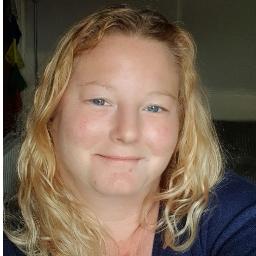
Dawn Manton, BACP
Dawn Manton is a counsellor who helps people dealing with stress, anxiety, low mood and loss.
About Dawn
Dawn Manton is a counsellor who helps people dealing with stress, anxiety, low mood and loss. She also supports those facing trauma, addiction, relationship strain and self‑esteem difficulties. Dawn writes plainly and listens with warmth, offering a calm space to talk about what feels overwhelming.
She has around 10 years of experience working in the NHS and in independent practice. That background means she is used to a wide range of concerns, from coping with major life changes to managing chronic health and caregiver stress.
Background and approach
Dawn also works with issues such as body image, grief, divorce and domestic violence. Sessions aim to be interactive and practical. Dawn focuses on building trust and helping people notice patterns that keep them stuck.
Conversations often include checking how feelings affect daily life and testing small changes that feel manageable. People can expect a straightforward, relational approach. Dawn values a relaxed atmosphere where honest conversation is possible.
She frames progress as gradual and collaborative rather than instant. Dawn is listed with the British Association for Counselling and Psychotherapy, BACP. She practises in the United Kingdom and conducts sessions in English.
Her work draws on evidence-based therapeutic techniques and on her years of clinical experience.
Details from the counsellor's public professional profile · registration number listed
← Browse all counsellorsRegistration
| Body | Registration number | Expires |
|---|---|---|
| BACP | 111089 | April 2026 |
Registration details are as listed on the counsellor's public profile. You can check any number with the registering body.
Sessions and payment
Sessions are held online through our partner platform, by video, phone or messaging depending on the counsellor.
Cost Costs are shown on the partner platform before you commit. If cost is a concern, ask about reduced-fee options.
Focus areas and approaches
Everything Dawn lists on their public professional profile, in their own terms.
- Stress, Anxiety
- Trauma and abuse
- Grief
- Self esteem
- Depression
- Addictions
- LGBT
- Relationship issues
- Family conflicts
- Eating disorders
- Parenting issues
- Anger management
- Career difficulties
- Coping with life changes
- Coaching
- Abandonment
- Aging and geriatric issues
- Autism and Asperger Syndrome
- Body image
- Cancer
- Caregiver issues and stress
- Chronic pain, illness, and disability
- Codependency
- Commitment issues
- Communication problems
- Control issues
- Coping with natural or human-caused disaster
- Dissociation
- Divorce and separation
- Domestic violence
- Emptiness
- Family of origin issues
- Family problems
- First responder issues
- Forgiveness
- Guilt and shame
- Hoarding
- Hospice and end-of-life counselling
- Intellectual disability
- Isolation / loneliness
- Jealousy
- Life purpose
- Midlife crisis
- Mood disorders
- Panic disorder and panic attacks
- Paranoia
- Personality disorders
- Post-traumatic stress
- Prejudice and discrimination
- Self-harm
- Self-love
- Sexual assault and abuse
- Social anxiety and phobia
- Traumatic brain injury
- Women's issues
- Workplace issues
- Young adult issues
Approaches to talk therapy and online care
Many of Dawn's sessions use evidence-based therapeutic techniques that focus on understanding and changing patterns. One common approach helps people notice how thoughts and behaviours keep problems going and then try small, practical changes to feel better. This approach suits worry, low mood and stress.Another approach emphasises the counselling relationship and emotional processing. It gives space to talk about loss, trauma or difficult feelings and to develop better ways of coping with strong emotions. This is useful for grief, abuse and relationship hurt.
Finding the right approach is part of the work. Dawn will collaborate with each person to agree what to try first and adapt methods as needs and goals change. She aims to tailor sessions based on what feels most helpful and realistic for the individual.
Online sessions are offered by video calls, phone sessions, live chat or text-based messaging. Video calls let people use face-to-face conversation without travel, phone sessions work well when lower bandwidth is needed, live chat can be a shorter check-in and messaging supports ongoing reflection between sessions. These options offer flexibility to fit therapy around work, caring duties and other commitments.
Frequently asked
What kinds of problems does Dawn help with?
She supports people with stress, anxiety, depression, trauma and abuse, grief, addictions and self‑esteem concerns as well as relationship and family issues.
How would you describe her therapy style?
Her style is warm and interactive, with a focus on building trust and working together to notice unhelpful patterns and try small changes.
What experience does she bring?
Dawn has around ten years of clinical experience, including roles in the NHS and in independent practice.
What credentials and location are listed?
She is listed with the British Association for Counselling and Psychotherapy, BACP, and practices in the United Kingdom.
In which languages can I work with her?
Sessions are offered in English.
Which session formats does she offer?
Sessions are available by video calls, phone sessions, live chat, or text-based messaging.
How much do sessions cost?
Cost varies with location and therapist availability; sessions use a subscription that can be cancelled at any time.
What do I need to do to start?
Click the Start Therapy button, complete a short matching questionnaire, and then schedule sessions according to therapist availability.
More counsellors who work with Stress, Anxiety
See all
Joseph Shepherd
BACP
3 years in practice
Client-centred counsellor for life changes
- Stress, Anxiety
- Self esteem
- Career
Adelle Liggitt
BACP
3 years in practice
Calm, practical support for anxiety and grief
- Stress, Anxiety
- Relationship
- Grief

Mike Kelly
BACP
4 years in practice
Practical counsellor for everyday struggles
- Stress, Anxiety
- Relationship
- Grief