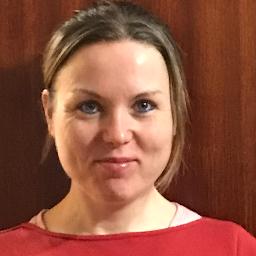
Joseph Shepherd
BACP
3 years in practice
Client-centred counsellor for life changes
- Stress, Anxiety
- Self esteem
- Career
UK counselling directory
1,947 counsellors list panic disorder and panic attacks among the things they work with. All offer sessions online, and every profile shows the registering body, the membership number and when it runs to.
Browse profiles of UK counsellors who specialise in panic disorder and panic attacks. Each listing highlights therapeutic approaches, professional registration such as BACP or HCPC, languages spoken and areas of experience. Use the filters below to refine your search and explore counsellors who match your needs.
BACP
3 years in practice
Client-centred counsellor for life changes
BACP
3 years in practice
Calm, practical support for anxiety and grief
BACP
7 years in practice
Compassionate practical counselling for life challenges
BACP
5 years in practice
Calm integrative counselling for adults
BACP
8 years in practice
Calm, flexible counselling for everyday struggles
BACP
3 years in practice
Understanding support for stress and trauma
BACP
5 years in practice English, Bengali
Experienced relational counsellor for life changes
BACP
5 years in practice
Experienced UK psychotherapist offering practical support
BACP
10 years in practice English, Spanish
Experienced counsellor for anxiety and trauma
6 years in practice
Supportive client-centred counsellor
BACP
10 years in practice
Integrative, relationship-focused counsellor
BACP
3 years in practice
Practical support for stress and life changes
BACP
22 years in practice
Experienced BACP counsellor for life changes
BACP
6 years in practice
Calm, practical counselling for everyday struggles
22 years in practice English, Ndebele, South
Experienced counsellor for life’s hard moments
BACP
3 years in practice
Compassionate person-centred counsellor
BACP
7 years in practice English, Russian
Kind, practical counsellor focused on relationships
BACP
12 years in practice
Practical, person-focused counselling and support
BACP
12 years in practice English, Spanish
Calm, practical support for life changes
BACP
14 years in practice English, Russian
Compassionate counsellor for recovery and change
BACP
14 years in practice
Understanding therapy that fits your life
BACP
3 years in practice
Practical, person-focused counselling for everyday struggles
BACP
23 years in practice
Calm, practical counselling for everyday struggles
BACP
6 years in practice
Supportive counsellor using mixed therapeutic approaches
BACP, NCPS
18 years in practice English, Spanish
Experienced counsellor for life transitions
BACP, NCPS
4 years in practice
Practical, collaborative counselling for life challenges
BACP
12 years in practice
Calm, attachment-focused counsellor
BACP, NCPS
8 years in practice
Compassionate, practical counselling for emotional strain
BACP
5 years in practice
Practical, person-centred support for life challenges
BACP
5 years in practice
Compassionate person-centred counsellor
BACP
7 years in practice English, Polish
Experienced counsellor for trauma and life change
BACP
7 years in practice
Person-centred counsellor for life changes
BACP
4 years in practice
Practical, empathic support for stress and trauma
BACP
6 years in practice
Practical, person-first counselling for everyday struggles
BACP, NCPS
6 years in practice
Compassionate, practical counselling support
BACP
5 years in practice
Calm, practical support for everyday struggles
BACP
5 years in practice
Calm, practical counselling for life’s hard moments
3 years in practice
A reflective counsellor for life’s difficult moments
BACP
4 years in practice
Compassionate counselling that focuses on change
BACP
24 years in practice
Experienced counsellor offering steady, practical support
BACP
9 years in practice English, Russian
Calm, practical counselling with a listening approach
BACP
4 years in practice
Person-centred counsellor offering steady support
BACP
25 years in practice
Experienced counsellor helping with anxiety and relationships
BACP
4 years in practice
Practical, relationship-aware counselling
BACP
6 years in practice
Practical, person-focused counselling
BACP
11 years in practice English, Romanian
Experienced counsellor for relationship and trauma issues
BACP
3 years in practice
Understanding, calm counselling support
BACP
4 years in practice
Humanistic counsellor using flexible approaches
Some links on this page are partner links. We will earn a commission if you sign up through one, at no cost to you.
Panic attacks are sudden episodes of intense fear or discomfort that reach a peak within minutes and can feel overwhelming. When these episodes recur and lead to persistent worry about having more attacks or significant changes in behaviour to avoid them, clinicians may describe this pattern as panic disorder. You might experience a racing heart, breathlessness, trembling, tingling, a sense of unreality or fear of losing control. These experiences are distressing and can affect daily routines, relationships and confidence.
People living with panic disorder often report a heightened sensitivity to bodily sensations and a cycle of fear that feeds back on itself. For example, noticing a fluttering heartbeat can trigger worry, which then increases arousal and makes physical symptoms worse. The condition can develop at any age, and while the intensity and frequency of attacks differ between people, the common thread is the way fear and avoidance shape day-to-day life. Understanding these dynamics is a first step in exploring therapeutic support.
You may consider seeking help if panic attacks are interfering with work, school, family life or social activities. If worry about future attacks leads you to avoid places or situations - for instance public transport, crowded venues, or leaving home - this pattern can restrict your independence and wellbeing. Frequent sleep disturbance, persistent irritability, or increasing reliance on alcohol or other coping strategies are also reasons to talk with a counsellor or your GP.
Another sign is when self-help steps you have tried do not bring lasting relief. You might notice that your thoughts focus on worst-case scenarios, or that safety behaviours - such as always carrying medication, sitting near exits, or checking physical symptoms - are taking up significant time and mental energy. If panic attacks occur with other concerns such as low mood, health anxiety, or trauma, a counsellor can help you address the overlapping issues in a coordinated way. Reaching out for support is a practical step you can take to explore options and build a tailored plan.
Therapy usually begins with an assessment where you and the counsellor discuss your experiences, what you hope to change and any relevant medical or social history. This conversation helps shape a working plan and goals that feel meaningful to you. Sessions are typically one-to-one and may last about 50 to 60 minutes, occurring weekly or at a cadence you agree with. In early sessions you can expect time spent on understanding the pattern of panic - triggers, thoughts, physical sensations and avoidance - so that you and the counsellor can identify practical targets.
Therapists often use a collaborative approach, teaching coping skills you can try between sessions and reviewing how these strategies work for you. You might practise breathing regulation, grounding exercises or behavioural experiments in session and then reflect on the effects. Over time the focus usually shifts from immediate symptom management to building resilience and addressing longer-standing patterns that maintain panic. Therapy can also include planning for preventing relapse and recognising early signs of escalation so you feel better equipped to respond if panic symptoms return.
Cognitive and behavioural approaches aim to help you understand the relationship between thoughts, feelings and behaviour. You may work with a counsellor who uses cognitive behavioural strategies to identify unhelpful thoughts that intensify panic and to test those thoughts through behavioural experiments. Exposure techniques - carried out gradually and safely - are commonly used to reduce avoidance and help you relearn that feared situations or sensations are manageable. When reading listings on this site you will see counsellors who list CBT among their approaches; that indicates the style of work they describe rather than a certification.
Some counsellors include mindfulness-based practices, breathing retraining and relaxation exercises as part of a programme to reduce physiological arousal. These approaches focus on changing your relationship to sensations of anxiety so they feel less alarming. You may be guided to notice bodily signals without immediate reaction, which can weaken the panic cycle. Listings may show therapists who list mindfulness or breathwork among their approaches.
For some people panic is connected to complex emotional patterns or past experiences that inform current responses. Counsellors who work from emotion-focused or psychodynamic perspectives aim to explore underlying emotions, relational patterns and life history that contribute to panic. This can help you develop new ways of relating to intense feelings as well as practical coping strategies. As with other approaches, descriptions on profiles indicate the methods counsellors report using rather than definitive training credentials.
Online therapy offers a way to work on panic disorder from your own home or another comfortable environment. Sessions may take place via video call, telephone or messaging, depending on what you and the counsellor agree. You can expect a similar structure to face-to-face work - assessment, goal-setting, skill practice and review - although practical adaptations are often needed. For example, exposure work can be planned for you to carry out in your local area while the counsellor provides guidance and support before and after the exercise.
When exploring online options think about where you will take sessions so you can focus without interruptions. You might choose a room where you feel calm and can step away briefly if you need to practice grounding techniques. Technology considerations include a stable internet connection for video calls and a device with a camera and microphone you are comfortable using. Many counsellors will discuss boundaries, emergency contacts and how to manage high-distress moments at the start of work so you both know what to do if an intense episode occurs between sessions.
Finding a counsellor who feels like a good fit is an important part of the process. Look for information about professional registration such as BACP or HCPC on profiles, which indicates adherence to recognised professional standards. Read how counsellors describe their experience with panic disorder and the approaches they list, as this gives a sense of their focus and the language they use. You may also want to note whether they work online, face-to-face or offer a combination, and which languages they speak if that matters to you.
Consider practical matters that affect your comfort in sessions - for example session length, fee range and cancellation policies - and whether the counsellor mentions particular areas of experience that align with your situation, such as panic related to health worries, trauma or workplace stress. Trust and rapport are central to progress, so it is reasonable to contact a few counsellors to ask about their approach and how they typically work with panic. An initial conversation can help you judge how they listen, whether their suggested strategies feel acceptable and if you can imagine working with them over a period of time.
Remember that therapy is a collaborative process. You can expect to be active in setting goals and trying strategies between sessions. If the first counsellor you choose does not feel right, it is okay to keep searching until you find someone whose style and professional registration meet your needs. Taking that step is an investment in managing panic and rebuilding your day-to-day confidence.