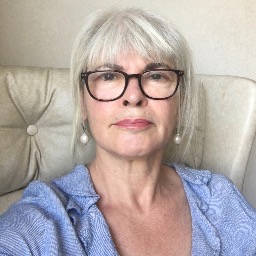
Anna Richardson, BACP
Anna Richardson is a counsellor registered with the British Association for Counselling and Psychotherapy (BACP).
About Anna
Anna Richardson is a counsellor registered with the British Association for Counselling and Psychotherapy (BACP). She draws on five years' practice to help people who feel stuck by anxiety, low mood, relationship strain or life changes. Sessions are offered in English and Russian and take place online by video, phone, chat or text.
Her background includes a Diploma in Psychodynamic Counselling, which shapes how she listens for patterns that link past experience with present feelings.
Background and approach
She uses psychodynamic ideas to help people notice repeated reactions and to make sense of what lies beneath everyday behaviour. Anna also works with attachment-focused ways of thinking, looking at how early bonds affect current relationships and intimacy. This approach can help people understand trust, jealousy, control issues and feelings around abandonment.
She has supported people coping with grief, addiction concerns, parenting stress, gender dysphoria and immigration-related worries, among other issues. Her work has included involvement with local mental health charities in community settings. In sessions she aims for a calm, non-judgemental tone and a steady pace.
Conversations are used to uncover unhelpful patterns and try out new ways of relating to yourself and others. Practical next steps and everyday coping ideas are part of the process when they suit the person's goals.
Details from the counsellor's public professional profile · registration number listed
← Browse all counsellorsRegistration
| Body | Registration number | Expires |
|---|---|---|
| BACP | 393793 | February 2026 |
Registration details are as listed on the counsellor's public profile. You can check any number with the registering body.
Sessions and payment
Sessions are held online through our partner platform, by video, phone or messaging depending on the counsellor.
Cost Costs are shown on the partner platform before you commit. If cost is a concern, ask about reduced-fee options.
Focus areas and approaches
Everything Anna lists on their public professional profile, in their own terms.
- Stress, Anxiety
- Relationship issues
- Self esteem
- Depression
- Coping with life changes
- Addictions
- LGBT
- Family conflicts
- Trauma and abuse
- Grief
- Intimacy-related issues
- Parenting issues
- Anger management
- Career difficulties
- Abandonment
- Attachment issues
- Caregiver issues and stress
- Communication problems
- Control issues
- Divorce and separation
- Forgiveness
- Gender dysphoria
- Guilt and shame
- Hoarding
- Immigration issues
- Isolation / loneliness
- Jealousy
- Life purpose
- Midlife crisis
- Mood disorders
- Multicultural concerns
- Panic disorder and panic attacks
- Paranoia
- Personality disorders
- Phobias
- Prejudice and discrimination
- Process addiction (porn, exercise, gambling)
- Seasonal Affective Disorder (SAD)
- Self-harm
- Self-love
- Sex addiction
- Sexual assault and abuse
- Sexuality
- Social anxiety and phobia
- Women's issues
Ways of working Anna names
Naming an approach is not evidence of training in it. This directory copies what each counsellor lists and does not check training records.
How attachment and psychodynamic work translate to online counselling
Anna draws on attachment-based and psychodynamic ideas to guide online sessions. Attachment-based work looks at patterns in how people relate to others and helps make sense of trust, jealousy, intimacy and separation. It often focuses on current relationship patterns and how early bonds shape present reactions.Psychodynamic work pays attention to feelings, recurring themes and memories that influence behaviour. In practice this means talking through moments that feel confusing or repeated reactions, and gently linking them back to earlier experiences to uncover their meaning.
Finding the right approach is a shared process. Anna will discuss your goals and preferences and try different ways of working until you both agree on what helps most. That collaborative planning guides whether sessions lean more towards attachment-focused work, deeper psychodynamic reflection or a mix of the two.
Online formats include video calls, phone sessions, live chat and text messaging. Video is useful for face-to-face conversation and non-verbal cues, while phone calls can be easier when bandwidth is low. Chat and text are practical for shorter check-ins or when writing helps you think things through. These options make therapy more flexible and easier to fit around work, family life and other commitments.
Frequently asked
What sort of difficulties does Anna work with?
Common areas include stress, anxiety, depression, relationship and intimacy issues, self-esteem, grief, addiction concerns and life changes. She also addresses specific themes such as attachment problems, abandonment, gender dysphoria and immigration issues.
How would you describe her therapeutic style?
She combines psychodynamic listening with an attachment-informed eye on relationships. Sessions aim to notice repeating patterns, understand their roots and try out different ways of responding.
What is her clinical background and experience?
She has five years of clinical experience and holds a Diploma in Psychodynamic Counselling. She has worked in independent practice and contributed to community mental health charities.
Where is Anna based and what credential does she hold?
She practises from the United Kingdom and is registered with the British Association for Counselling and Psychotherapy (BACP).
Which languages are sessions offered in?
Sessions are offered in English and Russian.
Which session formats are available?
Sessions can be conducted by video call, phone, live chat or text-based messaging to suit different needs and schedules.
How are fees and payments handled?
Cost varies with location and therapist availability. Sessions use a subscription model that can be cancelled at any time.
How do I begin if I want to work with her?
Start by selecting the Start Therapy button, complete a short matching questionnaire and then schedule sessions according to the therapist's listed availability.
More counsellors who work with Stress, Anxiety
See all
Joseph Shepherd
BACP
3 years in practice
Client-centred counsellor for life changes
- Stress, Anxiety
- Self esteem
- Career

Adelle Liggitt
BACP
3 years in practice
Calm, practical support for anxiety and grief
- Stress, Anxiety
- Relationship
- Grief

Mike Kelly
BACP
4 years in practice
Practical counsellor for everyday struggles
- Stress, Anxiety
- Relationship
- Grief