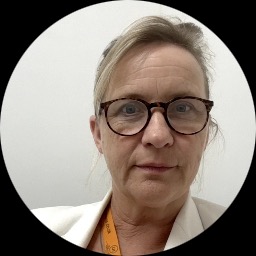
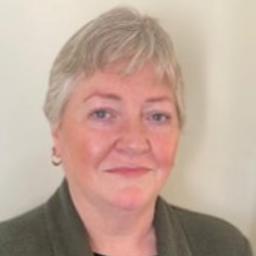
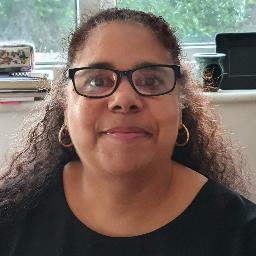
John Phelan
BACP
15 years in practice
Experienced counsellor focused on stress and family concerns
- Stress, Anxiety
- Family
- Grief
UK counselling directory
489 counsellors list gender dysphoria among the things they work with. All offer sessions online, and every profile shows the registering body, the membership number and when it runs to.
Browse profiles of counsellors who specialise in gender dysphoria, offering a range of therapeutic approaches, registrations and languages across the UK. Use the listings below to read practitioner profiles and identify clinicians whose focus and experience align with what you need.
BACP
15 years in practice
Experienced counsellor focused on stress and family concerns
BACP
5 years in practice
Person-centred counsellor for everyday struggles
BACP
6 years in practice
Warm, person-focused counselling for identity and stress
BACP
6 years in practice
Calm, practical counselling for everyday struggles
BACP
3 years in practice
Compassionate person-centred counsellor
BACP
12 years in practice English, Spanish
Calm, practical support for life changes
BACP, NCPS
18 years in practice English, Spanish
Experienced counsellor for life transitions
BACP
4 years in practice
Practical, empathic support for stress and trauma
BACP, NCPS
6 years in practice
Compassionate, practical counselling support
BACP, NCPS
10 years in practice
Humanistic counsellor helping people make clearer choices
BACP
25 years in practice
Experienced counsellor helping with anxiety and relationships
BACP
3 years in practice
Psychodynamic therapist using psychoanalytic and Jungian ideas
6 years in practice
Practical support for life changes and distress
BACP
11 years in practice
Compassionate integrative counsellor for life's challenges
BACP
9 years in practice
Calm practical support for life changes
BACP
3 years in practice
Practical, down-to-earth support for anxiety and focus issues
BACP
3 years in practice English, Central Khmer
Calm, mindful counselling with practical tools
BACP
3 years in practice English, Punjabi
Compassionate practical support for life stressors
BACP
18 years in practice English, Greek
Psychodynamic therapist focusing on recurring life patterns
BACP
20 years in practice
Experienced relational counsellor for life changes
BACP
4 years in practice
Calm, practical support for life’s hard moments
14 years in practice
Practical, strengths-based counselling for life change
BACP
4 years in practice
Calm, practical support for life changes
BACP, NCPS
5 years in practice
Compassionate counsellor for anxiety and life changes
BACP
5 years in practice
Caring, practical support for life changes
BACP
18 years in practice
Person-centred counsellor using practical therapies
BACP
5 years in practice
Compassionate counselling focused on practical change
BACP
8 years in practice English, Spanish
Practical, compassionate counselling for life challenges
BACP
3 years in practice English, Shona
Warm, practical guidance for life changes
BACP
3 years in practice
Supportive counsellor for stress and relationships
BACP, NCPS
3 years in practice
A calm, flexible counsellor for life changes
BACP
8 years in practice
Compassionate counsellor for everyday struggles
BACP
6 years in practice
Calm, practical support for everyday struggles
BACP
4 years in practice
Calm integrative counselling with practical tools
BACP
4 years in practice
Compassionate counsellor for life’s difficult moments
BACP
5 years in practice English, Bengali
Supportive counsellor for stress and relationships
BACP
3 years in practice
Supportive counsellor for life changes
BACP, NCPS
13 years in practice
Compassionate counsellor focusing on practical change
BACP
4 years in practice
Practical, compassionate counselling for everyday struggles
BACP
20 years in practice
Supportive counsellor for anxiety and relationships
BACP
18 years in practice
Experienced BACP counsellor for practical support
BACP
18 years in practice
Experienced person-centred counsellor
BACP
6 years in practice
Practical, down-to-earth counselling and support
BACP
20 years in practice
Experienced person-centred counsellor and therapist
BACP
6 years in practice English, Italian
Practical counselling with an attachment focus
BACP
15 years in practice
Calm, direct counselling for life's hardest moments
BACP
20 years in practice English, Spanish
A steady, practical counsellor for life changes
BACP
4 years in practice
Compassionate person-centred counsellor
Some links on this page are partner links. We will earn a commission if you sign up through one, at no cost to you.
Gender dysphoria describes the distress or discomfort that can arise when your gender identity does not align with the sex you were assigned at birth. People experience this in many different ways and to varying degrees. For some, it may be a persistent sense of unease about bodily changes or social expectations. For others, it may include anxiety about being gendered incorrectly, ongoing discomfort with aspects of physical development, or a sense of isolation when social roles and relationships do not reflect your inner sense of self. Any of these experiences can intersect with mood, anxiety, eating behaviour or self-image, and the impact often depends on social context, past experiences and the level of support you have.
If you are exploring gender identity, considering transition, or simply trying to cope with feelings of incongruence, it can be useful to understand that gender dysphoria does not look the same for everyone. Age, cultural background, family dynamics and medical considerations all play a part in how you experience and express your identity. Counselling can offer a place to explore these layers in a paced and individualised way, helping you to clarify goals for social change, medical pathways if relevant, or day-to-day strategies for managing distress. Listing common concerns does not imply a single route forward - rather it reflects the diversity of issues people bring to therapy.
You might decide to seek therapeutic support when feelings of gender incongruence begin to affect your day-to-day life. That can include persistent low mood, heightened anxiety, difficulties in relationships, trouble concentrating, or avoidance of social situations where you fear being misgendered. You may also notice that thoughts about your body or identity occupy a lot of mental space, interfere with work or study, or prompt self-harm or risk-taking behaviours. If you feel isolated because friends, family or colleagues do not understand your experience, a therapist can offer validation and help you build coping strategies.
Therapy can also be a resource when you are making significant decisions. If you are weighing up social transition, medical options or legal name and gender recognition steps, talking with a counsellor can support decision-making that aligns with your values and needs. You do not need a formal diagnosis to seek help; many people come to therapy simply because they want a consistent, thoughtful space to think things through. It is reasonable to look for a clinician who mentions gender dysphoria, transgender issues or gender diversity among their areas of focus, and who can articulate how they work with related concerns.
Sessions typically begin with an initial conversation to understand your reasons for seeking support, your history, and what you hope to achieve. Early work may involve building a trusting working relationship, clarifying immediate needs and identifying any urgent risks. From there, your sessions can take different directions depending on your goals. Some people focus on emotional processing, exploring feelings about identity, loss, or grief related to past experiences. Others work on practical matters such as preparing for conversations with family, planning a social transition, or managing workplace concerns. A therapist will usually offer a structure but will adapt the pace to what feels manageable for you.
Therapy for gender dysphoria often involves attention to both internal experience and external circumstances. That means you can expect space to reflect on how social expectations shape your feelings, how bodily changes influence your sense of self, and how relationships respond to disclosure. Therapists may help you develop strategies for emotion regulation, resilience and self-care, and they can assist in forming an action plan for short-term and longer-term steps. If you are navigating medical pathways, some counsellors can support you emotionally through assessments and appointments, while others focus primarily on psychological wellbeing rather than medical decision-making.
There is no single therapeutic model required for gender dysphoria. You are likely to find counsellors who describe a range of approaches, and it is helpful to think about what style of therapy matches your preferences. Psychodynamic or psychotherapeutic approaches may emphasise exploration of identity over time, helping you trace patterns from earlier relationships and life stages that influence your current sense of self. Humanistic approaches tend to focus on your present experience and support self-acceptance and personal growth. Cognitive and behavioural frameworks may offer tools to manage anxiety or depressive symptoms that can accompany gender-related distress.
Some practitioners list trauma-informed work among their approaches, which can be relevant if past abuse or marginalisation affects your present challenges. Others indicate that they work with relationship and family systems, which can be useful if you are negotiating changes with partners or relatives. When reading profiles you may see specific modalities mentioned; remember that a listed approach indicates that a therapist uses that framework, not that they hold particular certifications in it. Look also for notes on professional registration - for example some counsellors are BACP registered while clinical psychologists will be registered with the HCPC. Those details can help you understand the professional context in which someone practises.
Online therapy has become a common option for people seeking support for gender dysphoria. Working remotely can make it easier to access counsellors who specialise in gender diversity, particularly if local services are limited. Online sessions typically take place via video call, telephone or text-based messaging platforms, and you can discuss with your counsellor how to manage practical matters such as privacy at home and emergency contact arrangements. For many, the ability to meet with a clinician who shares relevant experience or languages can be particularly helpful, and online work can reduce travel time and help you maintain continuity if you move or travel.
When choosing a counsellor, consider several factors that matter to you. Think about the therapeutic approach and whether you prefer exploratory work, skills-based support, or a combination. Check professional registration information and read how a practitioner describes their experience with gender diversity. Language and cultural background may influence your comfort, so note any languages spoken or particular community knowledge. Pay attention to how a counsellor explains their practice - do they outline how they work with gender questions and what they prioritise in sessions? It is reasonable to look for someone who communicates clearly about boundaries, fees and session length in their profile, and who lists relevant registrations such as BACP or HCPC where appropriate.
Finally, trust your sense of fit. If a profile resonates with you, reading further or making initial contact can help you judge whether a counsellor's style feels like a good match. You may prefer a clinician who places emphasis on affirmation and identity exploration, or you may want one who balances practical planning with emotional support. Whatever you choose, the aim of therapy is to give you a supportive framework to understand your experience and make decisions that align with your wellbeing and values. The listings on this site are designed to help you identify practitioners whose focus, approach and professional registration fit what you are seeking so you can take the next step with information at hand.
Finding the right counsellor for gender dysphoria can be an important step towards feeling more at ease with your identity and choices. Whether you prefer face-to-face work or online sessions, looking for clear information about areas of focus, therapeutic approach and registration can guide your decision. Above all, you should expect a therapist who listens, respects your narrative and helps you move at a pace that suits you. Use the profiles below to explore options, read descriptions and find practitioners whose approach matches your needs.