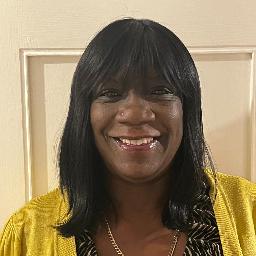
Jack English
BACP, NCPS
10 years in practice
Straight-talking person-centred counsellor
- Stress, Anxiety
- Anger
- Self esteem
UK counselling directory
230 counsellors in this directory list National Counselling and Psychotherapy Society (NCPS). Registration details are shown as each counsellor lists them; the body's own public register is the place to check a number.
The National Counselling and Psychotherapy Society (NCPS) registers practitioners who meet its standards for training, supervision and professional conduct. Browse the verified NCPS therapists below to find counsellors and psychotherapists who meet these criteria.
BACP, NCPS
10 years in practice
Straight-talking person-centred counsellor
BACP, NCPS
18 years in practice English, Spanish
Experienced counsellor for life transitions
BACP, NCPS
4 years in practice
Practical, collaborative counselling for life challenges
BACP, NCPS
8 years in practice
Compassionate, practical counselling for emotional strain
BACP, NCPS
6 years in practice
Compassionate, practical counselling support
BACP, NCPS
10 years in practice
Humanistic counsellor helping people make clearer choices
BACP, NCPS
3 years in practice
Warm client-centred counsellor for life changes
BACP, NCPS
7 years in practice
Flexible integrative counsellor for life changes
BACP, NCPS
5 years in practice
Warm person-centred counsellor using CBT and ACT
BACP, NCPS
4 years in practice English, Romanian
Warm, practical counselling for relationship and life struggles
BACP, NCPS
7 years in practice
Calm, practical counselling for life changes
BACP, NCPS
5 years in practice
Compassionate counsellor for anxiety and life changes
BACP, NCPS
4 years in practice
Practical counselling for stress and loss
BACP, NCPS
8 years in practice
Practical, respectful therapy for anxiety and relationships
BACP, NCPS
3 years in practice
A calm, flexible counsellor for life changes
NCPS, BACP
3 years in practice
Practical, calm counselling for stress and relationships
BACP, NCPS
6 years in practice
Person-centred counsellor for life changes
BACP, NCPS
4 years in practice
Person‑centred counsellor with psychodynamic insight
BACP, NCPS
10 years in practice
Compassionate counsellor for life changes
BACP, NCPS
13 years in practice
Compassionate counsellor focusing on practical change
BACP, NCPS
6 years in practice
Practical, person-centred support for relationships
BACP, NCPS
7 years in practice
A calm, practical counsellor who adapts to your needs
BACP, NCPS
9 years in practice
Calm, practical counselling for everyday life
BACP, NCPS
5 years in practice English, Twi
Warm, practical support for stress and relationships
BACP, NCPS
23 years in practice
Practical, experienced support for life changes
BACP, NCPS
3 years in practice
Support to move forward with clarity
BACP, NCPS
18 years in practice
Experienced, person-centred counsellor focused on practical change
BACP, NCPS
3 years in practice
Experienced person-centred counsellor
BACP, NCPS
6 years in practice
Integrative counsellor for identity and relationships
BACP, NCPS
7 years in practice English, Romanian
Support for stress, trauma and life change
BACP, NCPS
12 years in practice
Person-centred counsellor with practical therapy skills
BACP, NCPS
13 years in practice English, Polish
Compassionate counsellor for life’s difficult moments
BACP, NCPS
8 years in practice
Compassionate counsellor for trauma and anxiety
BACP, NCPS
5 years in practice
Compassionate counsellor for life changes
BACP, NCPS
5 years in practice
Warm counsellor for trauma and anxiety
BACP, NCPS
3 years in practice
Empathic person-centred counsellor with nursing background
BACP, NCPS
3 years in practice
Calm, practical pluralistic counselling
BACP, NCPS
24 years in practice
Experienced UK counsellor focused on practical progress
BACP, NCPS
5 years in practice English, Greek
Integrative, person-centred counselling for adults
BACP, NCPS
5 years in practice English, Lithuanian
Calm, practical counselling for everyday struggles
BACP, NCPS
3 years in practice
Warm, practical counsellor in the UK
BACP, NCPS
3 years in practice
Compassionate therapist focusing on trauma recovery and identity
BACP, NCPS
10 years in practice
Experienced counsellor supporting emotional recovery
BACP, NCPS
5 years in practice
Compassionate support for stress and relationships
BACP, NCPS
4 years in practice English, Igbo
Straightforward support for life and relationships
BACP, NCPS
5 years in practice English, Albanian
Integrative counsellor blending practical therapies
BACP, NCPS
8 years in practice
Calm, practical support for trauma and change
BACP, NCPS
5 years in practice
Practical, listening-led therapy for stress and low mood
Some links on this page are partner links. We will earn a commission if you sign up through one, at no cost to you.
When you see a practitioner described as NCPS-registered, it indicates that they have met the criteria set by the National Counselling and Psychotherapy Society for membership and professional practice. This registration is a signal that the practitioner has engaged with a recognised professional body and agreed to work within an established code of ethics and practice. For you, that means the therapist is part of a framework designed to support professional standards, continuing development and appropriate oversight. Registration does not guarantee a particular outcome, but it does provide a set of expectations about the way a therapist should conduct themselves and how they manage their professional responsibilities.
The NCPS register is one of several professional registers in the UK. Each register has its own entry requirements, membership tiers and procedures for complaints and remediation. Understanding what those standards represent can help you decide whether a practitioner’s registration aligns with the kind of professional practice you are looking for. It can also guide your questions during an introductory conversation so you can feel more confident about your choice.
NCPS registration usually follows completion of a recognised counselling or psychotherapy qualification and a period of supervised practice, together with adherence to ongoing professional development. While exact programme names and lengths vary, most registrants will have undertaken substantive study in therapeutic theory and practice, worked with clients under supervision, and continued to develop their skills after initial qualification. The society expects members to take part in continuing professional development - CPD - which keeps practitioners engaged with new thinking and practice reflections relevant to their work.
If you want to know more about a particular therapist’s background, you can ask about the nature of their training, how they describe their professional development and the kind of supervision they receive. Bear in mind that a therapist’s profile will often list approaches they use. That listing is a description of the approaches they draw on rather than a guarantee of formal certification in a named method. Asking how they apply those approaches in practice will help you form a clearer idea of their professional journey and areas of emphasis.
An NCPS-registered practitioner is recognised as meeting the society’s expectations for safe and ethical practice. That typically means they have the foundation to work therapeutically with individuals, couples or groups within the scope of their experience and competence. Registration sets out responsibilities around assessment, record-keeping, referral and safeguarding. If issues arise in a working relationship, the existence of a professional complaints process gives you a route to raise concerns with the society.
Comparing NCPS registration with other professional registers in the UK is less about hierarchy and more about differences in criteria and focus. Some registers emphasise particular training routes, while others have distinct membership categories or different emphases in their codes of ethics. When you review profiles on a directory, look at the registration details alongside information about approach, client groups and experience to understand how a practitioner might fit your needs. Registration gives you a baseline assurance of standards, but it is one factor among several when choosing a therapist.
NCPS-registered therapists work across a broad range of presenting concerns and client groups. Many practitioners work with anxiety and low mood, relationship difficulties, bereavement and life transitions, workplace stress and issues linked to identity and sexuality. Others focus on family work, young people, addiction-related problems or long-term health conditions. It is common to find therapists who list particular approaches they use, and you will also see those who describe a client group or problem area they regularly work with.
When you are looking through profiles, notice how practitioners describe their focus. Some will describe populations they work with, such as adolescents or older adults, while others will highlight contexts like trauma-informed practice or workplace-related issues. The language they choose can help you identify who articulates an understanding of the themes that matter to you. Because the listing of an approach is not proof of a specific qualification in that method, ask how the approach shapes the practitioner’s work and how it has been integrated into their practice.
Verifying registration is a practical step you can take to confirm a practitioner’s professional standing. The NCPS maintains an online register where you can search for a registrant by name and view the details the society publishes about their membership. These details commonly include the registrant’s membership category, any declarations about fitness to practise and the scope of their registration. If you cannot find a therapist on the register, it is reasonable to ask them directly for their registration details and the name under which they are listed.
Beyond the online register, you can ask a therapist to explain what their registration means for their practice - for example, what supervisory arrangements they have, how they maintain their CPD and whether they adhere to a code of practice. If you have concerns about a member’s conduct, the society can advise on the complaints process. Taking these verification steps helps you move from general assurance to specific facts about a practitioner’s professional standing.
Choosing a therapist who is NCPS-registered can offer reassurance that they operate within a recognised professional framework and that they take part in ongoing development and oversight. Registration suggests there is a mechanism for handling complaints and that the practitioner subscribes to stated ethical standards. These elements can make it easier for you to set expectations about how a therapeutic relationship will be conducted and how professional matters will be managed.
When you set out to find the right NCPS therapist, start by clarifying what you want from therapy - whether you are looking for short-term support for a specific issue or a longer-term therapeutic relationship. Read practitioner profiles to understand their professional focus, the client groups they describe and the approaches they list. Remember to ask about how they work rather than treating an approach name as a guarantee. Discussing how they support people with similar concerns to yours will give you a clearer sense of fit.
Other practical considerations include session format, location, fees and languages spoken. It is helpful to ask about supervision and CPD so you know how the practitioner maintains their professional development. If you have particular needs around safeguarding or accessibility, raise these early on to ensure the practitioner is prepared to work with them. Ultimately, finding the right therapist is a personal process - registration is a useful indicator of professional standards, and combining that with clear, open conversation will help you find someone whose way of working aligns with what you need.