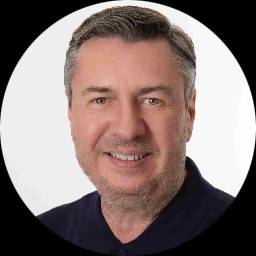
Mark Lowman, NCPS, BACP
Mark Lowman is a counsellor who aims to make first steps feel manageable.
About Mark
Mark Lowman is a counsellor who aims to make first steps feel manageable. He offers a calm, respectful space where people can talk about anxiety, low self-esteem, relationship strain, workplace stress and addictive behaviours. Mark is introduced here as a BACP and NCPS registered practitioner and works from a practical, supportive stance.
He keeps sessions straightforward and focused on what helps day to day. Mark listens and then suggests tools to reduce anxious thinking, manage overwhelming emotions and rebuild confidence.
Background and approach
He uses plain language rather than jargon so people can try techniques between sessions. Mark combines several approaches to suit different needs. He draws on cognitive behavioural ideas to notice and change unhelpful thoughts.
He uses client-centred principles to make space for a person’s own pace and priorities. He also works with emotion-focused methods to help with difficult feelings in relationships. Before counselling he worked in professional and corporate settings.
That background helps him relate to career pressure, difficult team dynamics and burnout. He often supports people wanting clearer boundaries, more confidence at work, or help recovering after loss or separation. Sessions are offered in English and take place online by video, phone, live chat or text messaging.
Mark has three years of experience and is listed with NCPS and the British Association for Counselling and Psychotherapy, BACP. To begin, clients use the Start Therapy button and complete a short matching questionnaire. For those wanting practical support with emotions, relationships or stress, Mark aims to combine understanding with usable tools.
He works collaboratively to plan steps that fit everyday life.
Details from the counsellor's public professional profile · registration number listed
← Browse all counsellorsRegistration
| Body | Registration number | Expires |
|---|---|---|
| NCPS | NCS22-00493 NCPS Accredited Registrant | Not listed |
| BACP | 413812 | May 2026 |
| NCPS | NCS22-00493 | April 2026 |
Registration details are as listed on the counsellor's public profile. You can check any number with the registering body.
Sessions and payment
Sessions are held online through our partner platform, by video, phone or messaging depending on the counsellor.
Cost Costs are shown on the partner platform before you commit. If cost is a concern, ask about reduced-fee options.
Focus areas and approaches
Everything Mark lists on their public professional profile, in their own terms.
- Stress, Anxiety
- Trauma and abuse
- Self esteem
- Career difficulties
- Coping with life changes
- Addictions
- Relationship issues
- Intimacy-related issues
- Anger management
- Depression
- Abandonment
- Attachment issues
- Body image
- Communication problems
- Coping with natural or human-caused disaster
- Dependent personality
- Divorce and separation
- Emptiness
- Forgiveness
- Guilt and shame
- Hoarding
- Impulsivity
- Infidelity
- Isolation / loneliness
- Jealousy
- Life purpose
- Men's issues
- Veteran and Armed Forces Issues
- Money and financial issues
- Narcissism
- Obsessions, compulsions, and OCD
- Panic disorder and panic attacks
- Phobias
- Post-traumatic stress
- Process addiction (porn, exercise, gambling)
- Seasonal Affective Disorder (SAD)
- Self-love
- Sex addiction
- Sexual assault and abuse
- Social anxiety and phobia
- Workplace issues
Ways of working Mark names
- Acceptance and Commitment Therapy (ACT)
- Client-Centred Therapy
- Cognitive Behavioural Therapy (CBT)
- Dialectical Behaviour Therapy (DBT)
- Emotionally-Focused Therapy (EFT)
- Hypnotherapy
- Mindfulness Therapy
- Narrative Therapy
- Psychodynamic Therapy
- Solution-Focused Therapy
- Trauma-Focused Therapy
- Internal Family Systems
Naming an approach is not evidence of training in it. This directory copies what each counsellor lists and does not check training records.
Therapeutic approaches and online support
Mark commonly uses Acceptance and Commitment Therapy, Client-Centred Therapy and Cognitive Behavioural Therapy in online work. Acceptance and Commitment Therapy (ACT) focuses on noticing thoughts and feelings without getting stuck in them, and choosing actions that match personal values. Client-Centred Therapy emphasises listening and a non-judgemental space so people can set their own pace and goals. Cognitive Behavioural Therapy (CBT) helps identify unhelpful thinking patterns and tries practical exercises to shift those patterns and reduce distress.Choosing the best approach is a collaborative process. The therapist will work with the person to decide which methods fit their needs, goals and preferences. That might mean combining elements from different approaches and adjusting plans over time as progress and priorities change.
Online therapy offers flexibility and different ways to connect. Video calls allow face-to-face discussion, phone sessions suit lower bandwidth or when being on camera is difficult, live chat can be useful for shorter check-ins, and text-based messaging supports ongoing reflection between sessions. These options make it easier to fit therapy around work, family and other commitments while still following a clear therapeutic plan.
Frequently asked
What issues does Mark focus on?
He supports people with stress, anxiety, trauma and abuse, low self-esteem, career and relationship concerns, addictions and related difficulties such as anger and depression.
What is his therapeutic style like?
Mark takes a warm and practical approach. He listens, helps clarify goals and offers concrete strategies to try between sessions.
How much experience does he have?
He has three years of clinical experience working with a range of emotional and relationship issues.
What credentials and region are listed?
Mark is listed with NCPS and BACP and practices in the United Kingdom.
Which languages are supported for sessions?
Sessions are offered in English.
What session formats are available?
He provides video calls, phone sessions, live chat and text-based messaging.
How are sessions charged?
Cost varies with location and therapist availability; sessions use a subscription that can be cancelled at any time.
How do I start working with him?
Use the Start Therapy button, complete a short matching questionnaire, and then schedule according to therapist availability.
More counsellors who work with Stress, Anxiety
See all
Joseph Shepherd
BACP
3 years in practice
Client-centred counsellor for life changes
- Stress, Anxiety
- Self esteem
- Career
Adelle Liggitt
BACP
3 years in practice
Calm, practical support for anxiety and grief
- Stress, Anxiety
- Relationship
- Grief
Mike Kelly
BACP
4 years in practice
Practical counsellor for everyday struggles
- Stress, Anxiety
- Relationship
- Grief