
Michelle Kalam, BACP
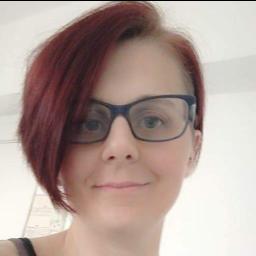
Michelle Kalam is a counsellor with four years' professional experience.
About Michelle
Michelle Kalam is a counsellor with four years' professional experience. She offers a calm space where people can talk about difficult feelings without judgment. She aims to support and empower clients who want to make changes in their lives.
Michelle helps people facing stress and anxiety, including work or life pressures. She also supports those coping with grief, low self-esteem and major life changes. Issues linked to relationships, parenting and family concerns are part of her work too.
Background and approach
She addresses trauma and abuse, depression and compassion fatigue alongside problems with anger and impulse control. Eating concerns, body image and attachment or abandonment worries are also included in her focus. Michelle pays attention to how caregiving, hospice issues and end-of-life matters affect emotions.
The practice is open to LGBT concerns and to people living with autism or Asperger syndrome. Michelle also works with people affected by divorce, domestic violence, guilt, shame and forgiveness issues. Career questions and communication problems are areas she explores with clients.
Sessions are offered in English and are available to people in the United Kingdom and internationally. Michelle uses online formats such as video calls, phone sessions, live chat and text messaging to fit different needs. She is registered with the British Association for Counselling and Psychotherapy (BACP).
Details from the counsellor's public professional profile · registration number listed
← Browse all counsellorsRegistration
| Body | Registration number | Expires |
|---|---|---|
| BACP | 395407 | January 2027 |
Registration details are as listed on the counsellor's public profile. You can check any number with the registering body.
Sessions and payment
Sessions are held online through our partner platform, by video, phone or messaging depending on the counsellor.
Cost Costs are shown on the partner platform before you commit. If cost is a concern, ask about reduced-fee options.
Focus areas and approaches
Everything Michelle lists on their public professional profile, in their own terms.
- Stress, Anxiety
- Grief
- Self esteem
- Coping with life changes
- LGBT
- Relationship issues
- Family conflicts
- Trauma and abuse
- Eating disorders
- Parenting issues
- Anger management
- Career difficulties
- Depression
- Compassion fatigue
- Abandonment
- Attachment issues
- Autism and Asperger Syndrome
- Body image
- Caregiver issues and stress
- Communication problems
- Control issues
- Divorce and separation
- Domestic violence
- Emptiness
- Family problems
- Forgiveness
- Guilt and shame
- Hospice and end-of-life counselling
- Impulsivity
- Isolation / loneliness
- Life purpose
- Money and financial issues
- Mood disorders
- Obsessions, compulsions, and OCD
- Panic disorder and panic attacks
- Post-traumatic stress
- Pregnancy and childbirth
- Prejudice and discrimination
- Self-harm
- Self-love
- Social anxiety and phobia
- Women's issues
- Workplace issues
- Young adult issues
Therapeutic approaches and online working
Many problems are helped by structured, evidence-based techniques that focus on current feelings and behaviour. One common approach helps people identify unhelpful thinking patterns and try different ways of responding in daily life, which can ease anxiety and low mood. Another approach concentrates on understanding attachment and relationship patterns so people can improve communication and feel more supported in close relationships.Choosing the best approach is part of the work together. The therapist will ask about symptoms, goals and what has or hasn’t helped before. Then she will discuss options and try methods collaboratively, adjusting the focus as needs change.
Online therapy offers practical flexibility. Video calls allow face-to-face conversation from different locations. Phone sessions can be a good fit when bandwidth is limited or when someone prefers not to be on camera. Live chat and text-based messaging suit shorter check-ins or people who express themselves better in writing. These formats make it easier to fit therapy around work, family and travel commitments while keeping the focus on progress and practical coping skills.
Frequently asked
What problems does Michelle commonly help with?
She works with stress, anxiety, grief and depression as well as self-esteem and coping with life changes. Relationship, parenting and family-related concerns are also included.
What is her general approach in sessions?
Michelle offers a non-judgemental space where people can talk openly. She aims to support and empower clients and to work collaboratively on practical steps forward.
What experience does she bring?
She has four years of professional counselling experience working with a range of emotional and practical issues. That experience covers trauma, compassion fatigue and end-of-life concerns among other areas.
What credentials and location are relevant?
She is registered with the British Association for Counselling and Psychotherapy (BACP) and is based in the United Kingdom.
Which languages and international arrangements are offered?
Sessions are offered in English and she accepts international clients for online work.
Which session formats are available?
Therapy is offered via video calls, phone sessions, live chat and text-based messaging to suit different schedules and preferences.
How are fees handled?
Cost varies with location and therapist availability and sessions use a subscription model that can be cancelled at any time.
How do I begin working with her?
Use the Start Therapy button, complete a short matching questionnaire, and then schedule sessions according to the therapist's availability.
More counsellors who work with Stress, Anxiety
See all
Joseph Shepherd
BACP
3 years in practice
Client-centred counsellor for life changes
- Stress, Anxiety
- Self esteem
- Career
Adelle Liggitt
BACP
3 years in practice
Calm, practical support for anxiety and grief
- Stress, Anxiety
- Relationship
- Grief

Mike Kelly
BACP
4 years in practice
Practical counsellor for everyday struggles
- Stress, Anxiety
- Relationship
- Grief