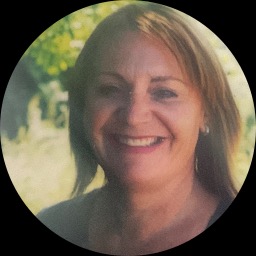
Victoria Hookway, BACP
Victoria Hookway is a BACP counsellor based in the United Kingdom who helps people facing difficult life events.
About Victoria
Victoria Hookway is a BACP counsellor based in the United Kingdom who helps people facing difficult life events. She meets people where they are and works at a pace that feels comfortable. Sessions are led by the client and tailored to what each person needs right now.
Victoria uses a person-centred way of working which treats the client as the expert in their own life. That means conversations follow what matters to the client.
Background and approach
If someone wants practical strategies, she will include those. If someone needs space to process feelings, she will make room for that too. She has five years of experience in independent practice and in voluntary roles with a local mental health charity.
Victoria also offers therapeutic support within a school community. Her work covers stress, anxiety, trauma and abuse, parenting concerns, depression, ADHD and autistic spectrum conditions among other issues. Victoria aims to build an open, non-judgemental atmosphere so thoughts and feelings can be shared without pressure.
She describes herself as down to earth and values the effort people put into change. Small, steady steps are encouraged to help people find what feels authentic for them. Outside of sessions she has written a guided journal titled 365: A Year of Self-Discovery to help people reflect and develop new routines.
Her practice blends practical tools with time to talk, depending on what each person wants to work on.
Details from the counsellor's public professional profile · registration number listed
← Browse all counsellorsRegistration
| Body | Registration number | Expires |
|---|---|---|
| BACP | 392676 | January 2027 |
Registration details are as listed on the counsellor's public profile. You can check any number with the registering body.
Sessions and payment
Sessions are held online through our partner platform, by video, phone or messaging depending on the counsellor.
Cost Costs are shown on the partner platform before you commit. If cost is a concern, ask about reduced-fee options.
Focus areas and approaches
Everything Victoria lists on their public professional profile, in their own terms.
- Stress, Anxiety
- Trauma and abuse
- Parenting issues
- Depression
- ADHD
- Relationship issues
- Family conflicts
- Grief
- Sleeping disorders
- Anger management
- Self esteem
- Bipolar disorder
- Coping with life changes
- Attachment issues
- Autism and Asperger Syndrome
- Blended family issues
- Body image
- Caregiver issues and stress
- Co-morbidity
- Codependency
- Communication problems
- Control issues
- Dependent personality
- Divorce and separation
- Domestic violence
- Emptiness
- Family of origin issues
- Family problems
- Forgiveness
- Guilt and shame
- Hoarding
- Immigration issues
- Impulsivity
- Isolation / loneliness
- Jealousy
- Life purpose
- Midlife crisis
- Money and financial issues
- Mood disorders
- Obsessions, compulsions, and OCD
- Panic disorder and panic attacks
- Phobias
- Post-traumatic stress
- Pregnancy and childbirth
- Self-harm
- Self-love
- Social anxiety and phobia
- Women's issues
- Workplace issues
- Young adult issues
Person-centred approaches and online therapy options
Person-centred work focuses on the client’s experience and priorities. The counsellor listens without directing the story and helps people find their own answers. This approach is useful when someone needs space to process feelings or to explore how experiences shape daily life.When practical tools are helpful, sessions can include strategy-focused techniques such as coping skills for anxiety and mood management. These involve simple steps and routines to try between sessions and are useful for stress, sleep and emotional regulation.
Choosing the right way of working is a shared process. The counsellor will discuss what feels most helpful and adjust methods as things progress. Together they will decide whether more talking, structured techniques, or a mix of both best suits the client’s goals and situation.
Online formats include video calls, phone sessions, live chat and text-based messaging. Video is good for face-to-face conversation and reading non-verbal cues. Phone sessions can fit into a lunch break or be easier when Wi-Fi is limited. Live chat and messaging suit brief check-ins, ongoing support between sessions, or people who prefer writing their thoughts. These options make therapy more flexible and easier to fit into busy lives.
Frequently asked
What kinds of problems does this counsellor help with?
Common areas include stress, anxiety, trauma and abuse, parenting concerns, depression, ADHD, relationship and family issues, grief, sleeping problems and self-esteem difficulties.
What is the counselling style like?
The approach is person-centred so sessions follow what matters most to the client. Practical strategies or emotional processing can be used depending on individual needs and preferences.
How much experience does the counsellor have?
The counsellor has five years of experience working in independent practice and in voluntary roles with a local mental health charity, plus therapeutic work in a school community.
Where is the counsellor based and what credentials do they hold?
She is based in the United Kingdom and is registered with the British Association for Counselling and Psychotherapy, shown as BACP.
Are sessions available in other languages or internationally?
Sessions are offered in English and international clients are accepted.
Which session formats are offered?
Sessions can be arranged as video calls, phone sessions, live chat, or text-based messaging to suit different needs and schedules.
How are costs and payments handled?
Cost varies with location and therapist availability. Sessions use a subscription model that can be cancelled at any time.
What steps do I take to begin online counselling?
Click the Start Therapy button, complete a short matching questionnaire, and then schedule sessions according to the therapist's availability.
More counsellors who work with Stress, Anxiety
See all
Joseph Shepherd
BACP
3 years in practice
Client-centred counsellor for life changes
- Stress, Anxiety
- Self esteem
- Career

Adelle Liggitt
BACP
3 years in practice
Calm, practical support for anxiety and grief
- Stress, Anxiety
- Relationship
- Grief

Mike Kelly
BACP
4 years in practice
Practical counsellor for everyday struggles
- Stress, Anxiety
- Relationship
- Grief