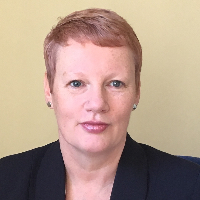
Joseph Shepherd
BACP
3 years in practice
Client-centred counsellor for life changes
- Stress, Anxiety
- Self esteem
- Career
UK counselling directory
2,213 counsellors list separation among the things they work with. All offer sessions online, and every profile shows the registering body, the membership number and when it runs to.
This page lists counsellors who specialise in separation and relationship transition across the UK. Use the filters to review profiles, approaches and registration details, then browse the listings below to find a counsellor who may suit your needs.
BACP
3 years in practice
Client-centred counsellor for life changes
BACP
5 years in practice
Supportive counsellor for stress and relationships
BACP
6 years in practice
Warm client-centred counsellor for life changes
BACP
7 years in practice
Compassionate practical counselling for life challenges
BACP
5 years in practice
Calm integrative counselling for adults
BACP
5 years in practice English, Bengali
Experienced relational counsellor for life changes
BACP
3 years in practice
Practical counselling for stress and relationships
BACP
10 years in practice English, Spanish
Experienced counsellor for anxiety and trauma
6 years in practice
Supportive client-centred counsellor
BACP
10 years in practice
Integrative, relationship-focused counsellor
BACP
6 years in practice English, Punjabi
Calm, practical support for everyday struggles
BACP
3 years in practice
Practical support for stress and life changes
BACP
6 years in practice English, Thai
Practical, culturally aware counselling for adults
BACP, NCPS
10 years in practice
Straight-talking person-centred counsellor
BACP
22 years in practice
Experienced BACP counsellor for life changes
BACP
18 years in practice English, German
Attachment-focused counsellor with psychodynamic insight
BACP
6 years in practice
Calm, practical counselling for everyday struggles
BACP
4 years in practice
Supportive counsellor for life changes and relationships
22 years in practice English, Ndebele, South
Experienced counsellor for life’s hard moments
BACP
3 years in practice
Compassionate person-centred counsellor
BACP
10 years in practice English, Portuguese
Thoughtful Jungian-informed psychotherapy
BACP
7 years in practice English, Russian
Kind, practical counsellor focused on relationships
5 years in practice
Compassionate counsellor for life changes
BACP
12 years in practice English, Spanish
Calm, practical support for life changes
BACP
14 years in practice English, Russian
Compassionate counsellor for recovery and change
BACP
4 years in practice
Experienced BACP counsellor for everyday challenges
10 years in practice English, Portuguese
Compassionate counsellor for life’s difficult moments
BACP
14 years in practice
Understanding therapy that fits your life
BACP
20 years in practice
Compassionate psychodynamic counsellor for life changes
BACP
23 years in practice
Calm, practical counselling for everyday struggles
BACP, NCPS
18 years in practice English, Spanish
Experienced counsellor for life transitions
BACP, NCPS
4 years in practice
Practical, collaborative counselling for life challenges
BACP
12 years in practice
Calm, attachment-focused counsellor
BACP, NCPS
8 years in practice
Compassionate, practical counselling for emotional strain
BACP
3 years in practice
Gentle, practical support for life change
BACP
3 years in practice English, Bengali
Calm practical therapy for everyday struggles
BACP
7 years in practice English, Polish
Experienced counsellor for trauma and life change
BACP
5 years in practice
Practical, empathetic counselling for everyday struggles
BACP
6 years in practice
Practical, person-first counselling for everyday struggles
BACP
20 years in practice
Experienced counsellor blending insight and action
BACP
5 years in practice
Person-centred counsellor focused on relationships and change
BACP, NCPS
6 years in practice
Compassionate, practical counselling support
BACP, NCPS
10 years in practice
Humanistic counsellor helping people make clearer choices
BACP
5 years in practice
Calm, practical support for everyday struggles
BACP
20 years in practice
Practical counselling for stress and life change
BACP
5 years in practice
Calm, practical counselling for life’s hard moments
BACP
3 years in practice English, Portuguese
Experienced counsellor focusing on stress and trauma
BACP
5 years in practice
Practical, respectful counselling for life challenges
Some links on this page are partner links. We will earn a commission if you sign up through one, at no cost to you.
Separation can mean different things in different relationships. For some people it is a formal decision to live apart while for others it is the gradual ending of a partnership or the emotional distancing that follows major changes. You may be coping with the end of a long marriage, a separation while retaining parental responsibilities, a separation after infidelity, or an amicable decision to part ways. Each situation brings its own practical and emotional demands, and you may find that thoughts, routines and plans you once took for granted need to be rebuilt.
The emotional impact of separation is rarely straightforward. You might experience relief, sorrow, anger, guilt, confusion or a mixture of these responses at different times. Separation often triggers identity questions - who you are now outside of the relationship - and practical worries about housing, finances and parenting. You may feel isolated if your social network was intertwined with your former partner, or you may find support among friends and family. It is common for routines to shift and for grief to arrive intermittently, sometimes months after the initial break. Recognising that these reactions are part of a process can help you take steps towards practical adjustment and emotional recovery.
If you find that emotions related to separation are affecting your day-to-day functioning, therapy can provide an opportunity to explore those feelings in a structured way. You might notice persistent low mood, anxieties that interfere with work or social life, difficulties managing conflict with an ex-partner about practical matters, or recurring patterns in relationships that you want to understand. Parenting during or after separation can bring additional strain - disagreements over arrangements, guilt over parenting choices and the challenge of shielding children from conflict are common reasons people look for support.
Other signs that therapy could help include trouble sleeping, changes in appetite, a growing sense of isolation, or reliance on alcohol or other behaviours to numb feelings. You may also want help navigating decision points - for example, choices about living arrangements, dividing responsibilities, or co-parenting agreements - with emotional clarity and practical planning. Therapy can be a place to process grief, rebuild a sense of self, and develop strategies to manage stress and communicate more effectively with former partners and other important people in your life.
When you start seeing a counsellor about separation, the initial sessions are likely to focus on getting a clear picture of your situation and your goals. You and the counsellor will discuss what has happened, how it is affecting you, and what you hope to gain from the work. This assessment helps shape the approach and the practical details of sessions, such as length, frequency and whether work will be individual or involve family members or a former partner. The counsellor should make their registration and professional boundaries clear, for example noting if they are registered with the BACP, HCPC or NCPS, and explain how they handle safeguarding and record-keeping.
Therapeutic work may include exploring emotional responses, identifying patterns in relationships, and developing coping strategies for stress, anxiety and grief. You may practise communication skills to manage difficult conversations, or work on self-care routines to support emotional regulation. The pace of sessions is usually guided by your needs - some people prioritise practical problem-solving, while others need space to process emotions more slowly. Throughout, you can expect a collaborative relationship where your values and choices are respected and the focus is on what will help you move forward in a way that feels manageable.
Therapists approach separation from a range of psychotherapeutic traditions and often combine elements to suit individual needs. Some counsellors draw on psychodynamic ideas to explore how past relationships influence current patterns, helping you to make sense of repeating themes. Others work with cognitive and behavioural techniques to address unhelpful thinking and build practical coping skills for anxiety and low mood. Systemic approaches consider the wider network of relationships - family dynamics, co-parenting arrangements and social roles - which can be particularly useful when children or extended family are involved.
Emotion-focused approaches support you in identifying and working with strong feelings that may be overwhelming or confusing. Narrative work can help you reframe the story of the relationship and your role within it, aiding the creation of a new personal narrative after separation. You will find counsellors who list different approaches among their methods, and reading how they describe their work can give you a sense of whether their style might suit you. Registration with professional bodies such as BACP, HCPC or NCPS indicates adherence to recognised ethical standards, but therapists vary in how they apply particular approaches to separation work.
Online therapy has become a common option for people managing separation, offering flexibility when travel, childcare or work make face-to-face sessions difficult. Sessions are typically held by video call, phone or messaging, depending on the counsellor's practice. Before you start, you and your counsellor will agree on practical matters such as session length, how to reschedule, and what to do if a session is interrupted. You should be encouraged to choose a quiet, comfortable environment where you can speak without interruption and feel emotionally supported.
Online therapy can make it easier to maintain continuity of care if circumstances change - for example, if you need to attend sessions from a different location. Some people find it easier to open up from home, while others prefer a neutral space. You may want to discuss how digital notes are kept and how sensitive information is handled - therapists often explain their record-keeping practices and professional registrations such as BACP, HCPC or NCPS when you first contact them. While the medium changes, the therapeutic aims - processing emotions, building coping strategies and planning practical steps - remain the same.
To get the most from online sessions, plan a quiet area where you feel comfortable and where interruptions are minimised. If you share a home, agree boundaries with household members for the duration of the session. Use a reliable internet connection and familiarise yourself with the video platform in advance if possible. Think about practical issues you may want support with - for example, parenting arrangements or financial decisions - and bring relevant documents to sessions if that helps you organise your thoughts. Some people find writing down goals for therapy before the first session makes the initial work more focused and efficient.
Choosing a counsellor involves looking at a combination of professional registration, experience, approach and how you feel when you contact them. Start by noting whether a counsellor is registered with a professional body such as BACP, HCPC or NCPS, and read how they describe their work with separation. Look for counsellors who explain whether they work with individuals, couples or families, and whether they have experience addressing issues you are facing - for example, co-parenting after separation, dealing with infidelity, or navigating legal and practical transitions.
Consider the approaches the counsellor lists and whether their description resonates with you. Some people prefer a more practical, problem-focused style, while others want to explore deeper emotional patterns. Language and cultural understanding may be important if you come from a particular background or if your separation raises cultural considerations. Practical details such as session length, fees and how they manage cancellations are relevant to planning, and many counsellors offer an initial conversation to see if their style fits your needs. Trust your judgement - the therapeutic relationship matters, and finding someone who listens and responds in a way that feels respectful and understanding is a central part of effective work.
When you contact a counsellor, you can ask about their experience with separation, the approaches they commonly use, whether they work online or in person, and what you might expect in the early sessions. Asking how they handle record-keeping, safeguarding and professional boundaries gives you clarity about the practical side of therapy. Taking time to find a counsellor whose professional profile and personal style fit what you need can make the difference between feeling overwhelmed and gradually finding a way forward after separation.