
Susan Blanchard, BACP
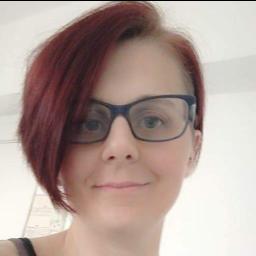
Susan Blanchard is a BACP counsellor practising in the United Kingdom.
About Susan
Susan Blanchard is a BACP counsellor practising in the United Kingdom. She draws on three years of experience to support people dealing with anxiety, depression and low self-esteem. Her work also covers relationship strain, trauma and abuse, and stress related to health or life events.
Susan’s background includes therapeutic support within NHS cancer services, so she is familiar with the emotional complexities that come with serious health concerns. She also has practical experience working with neurodiversity and the particular challenges that can bring.
Background and approach
Her approach is rooted in person-centred counselling, which means sessions focus on the person rather than a checklist of symptoms. She aims to offer warmth, empathy and acceptance so people can talk openly and begin to make sense of their feelings. Sessions are tailored to each person.
Susan listens first and then works together with people to find what helps most, whether that is talking through painful experiences, building confidence, or finding ways to manage daily stress. The emphasis is on practical steps and clearer thinking, not on quick fixes. People who come to Susan often want a calm space to reflect and to try out new perspectives.
She helps individuals explore patterns such as negative thinking, self-criticism and relationship difficulties, and supports them in making small, achievable changes over time.
Details from the counsellor's public professional profile · registration number listed
← Browse all counsellorsRegistration
| Body | Registration number | Expires |
|---|---|---|
| BACP | 410211 | October 2026 |
Registration details are as listed on the counsellor's public profile. You can check any number with the registering body.
Sessions and payment
Sessions are held online through our partner platform, by video, phone or messaging depending on the counsellor.
Cost Costs are shown on the partner platform before you commit. If cost is a concern, ask about reduced-fee options.
Focus areas and approaches
Everything Susan lists on their public professional profile, in their own terms.
- Stress, Anxiety
- Relationship issues
- Trauma and abuse
- Self esteem
- Depression
- Abandonment
- Aging and geriatric issues
- Antisocial personality
- Attachment issues
- Autism and Asperger Syndrome
- Avoidant personality
- Blended family issues
- Body image
- Cancer
- Caregiver issues and stress
- Chronic pain, illness, and disability
- Co-morbidity
- Commitment issues
- Communication problems
- Control issues
- Coping with natural or human-caused disaster
- Divorce and separation
- Domestic violence
- Emptiness
- Family problems
- Forgiveness
- Guilt and shame
- Hospice and end-of-life counselling
- Impulsivity
- Isolation / loneliness
- Jealousy
- Life purpose
- Men's issues
- Midlife crisis
- Mood disorders
- Obsessions, compulsions, and OCD
- Panic disorder and panic attacks
- Post-traumatic stress
- Pregnancy and childbirth
- Seasonal Affective Disorder (SAD)
- Self-love
- Sexuality
- Social anxiety and phobia
- Women's issues
- Workplace issues
- Young adult issues
How therapeutic approaches work online
Person-centred counselling focuses on listening, empathy and creating a supportive space where people can talk through their feelings and concerns. It helps with issues like anxiety, depression, low self-esteem and relationship stress by encouraging self-understanding and gradual change.Drawing on evidence-based therapeutic techniques means using methods that aim to reduce distress and improve coping. For example, approaches that address negative thinking patterns can help with anxiety and depression by teaching practical ways to notice and challenge unhelpful thoughts. Work that addresses trauma emphasises careful pacing and stabilisation so people can manage strong emotions more safely.
Finding the right approach is part of the therapy process. The therapist will collaborate with the person to decide what fits best, based on their needs, goals and preferences. That means trying different ways of working and adjusting where needed rather than following a fixed plan.
Online therapy makes those options more flexible. Video calls allow face-to-face conversation when that is helpful, phone sessions suit people who prefer not to use video, and live chat or text messaging can be useful for shorter check-ins or when typing feels easier. These formats help people fit therapy around work, caregiving and other commitments while keeping sessions practical and consistent.
Frequently asked
What concerns does Susan help with?
She works with stress, anxiety, depression, low self-esteem and relationship problems, along with trauma and abuse and health-related worries.
What is her therapeutic style like?
Susan uses a person-centred approach that focuses on listening, empathy and acceptance to help people talk through their concerns.
What relevant experience does she have?
She has three years of experience and has provided therapeutic support within NHS cancer services and work with neurodiversity.
What credentials and location are shown?
Susan is BACP registered and based in the United Kingdom.
Which languages and international options are available?
Sessions are offered in English and she is not accepting international clients at this time.
Which session formats does she provide?
She offers video calls, phone sessions, live chat and text-based messaging to suit different needs and schedules.
How does cost work for sessions?
Costs vary with location and therapist availability, and sessions use a subscription that can be cancelled at any time.
How do I begin working with her?
Click the Start Therapy button, complete a short matching questionnaire, and then schedule sessions according to therapist availability.
More counsellors who work with Stress, Anxiety
See all
Joseph Shepherd
BACP
3 years in practice
Client-centred counsellor for life changes
- Stress, Anxiety
- Self esteem
- Career
Adelle Liggitt
BACP
3 years in practice
Calm, practical support for anxiety and grief
- Stress, Anxiety
- Relationship
- Grief

Mike Kelly
BACP
4 years in practice
Practical counsellor for everyday struggles
- Stress, Anxiety
- Relationship
- Grief