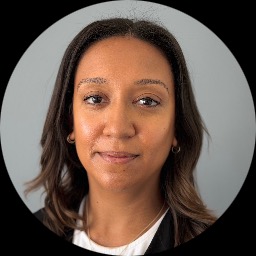
Sophie De Carvalho, BACP
Sophie De Carvalho is a counsellor who specialises in stress, anxiety, relationship difficulties, trauma and abuse, and low self-esteem.
About Sophie
Sophie De Carvalho is a counsellor who specialises in stress, anxiety, relationship difficulties, trauma and abuse, and low self-esteem. She is listed with the British Association for Counselling and Psychotherapy (BACP) and works with adults from a wide range of backgrounds. Sophie aims for clients to feel seen and heard in sessions so they can begin to make sense of difficult feelings.
She keeps language clear and straightforward so parents and busy people can follow along easily.
Background and approach
Sophie uses a person-centred foundation, which means she focuses on listening and responding to what matters most to each person. She also draws on other evidence-based therapeutic techniques to help people understand patterns and try different ways of coping. Approaches mentioned in her biography include Cognitive Behavioural Therapy, Transactional Analysis, Gestalt, Psychodynamic theory and Attachment Theory.
Sessions look at what is happening now and how past relationships shape current reactions. Sophie pays attention to cultural identity and how experiences of neglect, oppression, racism and identity can affect emotional life. This helps people who have complex backgrounds to feel their experiences are acknowledged.
Her style is non-judgemental, warm and holding. Sophie aims to help people untangle overwhelming feelings and identify practical changes they might want to try. Work may include talking through difficult memories, noticing unhelpful thoughts, and practising different ways of relating to others.
With three years of experience, Sophie blends listening with practical tools. She offers sessions in English and works online using video, phone, live chat or text-based messaging. To begin, people complete a short questionnaire and arrange sessions to match their schedule.
Details from the counsellor's public professional profile · registration number listed
← Browse all counsellorsRegistration
| Body | Registration number | Expires |
|---|---|---|
| BACP | 395023 | September 2026 |
Registration details are as listed on the counsellor's public profile. You can check any number with the registering body.
Sessions and payment
Sessions are held online through our partner platform, by video, phone or messaging depending on the counsellor.
Cost Costs are shown on the partner platform before you commit. If cost is a concern, ask about reduced-fee options.
Focus areas and approaches
Everything Sophie lists on their public professional profile, in their own terms.
- Stress, Anxiety
- Relationship issues
- Family conflicts
- Trauma and abuse
- Self esteem
- Abandonment
- Adoption and foster care
- Attachment issues
- Body image
- Commitment issues
- Communication problems
- Control issues
- Disruptive Mood Dysregulation Disorder (DMDD)
- Dissociation
- Divorce and separation
- Domestic violence
- Eating and food-related issues
- Emptiness
- Family of origin issues
- Family problems
- Fatherhood issues
- Forgiveness
- Guilt and shame
- Infidelity
- Isolation / loneliness
- Jealousy
- Life purpose
- Money and financial issues
- Mood disorders
- Multicultural concerns
- Obsessions, compulsions, and OCD
- Panic disorder and panic attacks
- Personality disorders
- Pregnancy and childbirth
- Process addiction (porn, exercise, gambling)
- Seasonal Affective Disorder (SAD)
- Self-harm
- Self-love
- Sex addiction
- Sexual assault and abuse
- Sexual dysfunction
- Sexuality
- Social anxiety and phobia
- Women's issues
- Workplace issues
- Young adult issues
Therapeutic approaches and how they work online
Sophie uses several evidence-based techniques and draws on a person-centred way of working. Person-centred counselling focuses on being fully present and listening so the client feels understood; it suits people who need time to talk through feelings and be heard. Cognitive Behavioural Therapy (CBT) helps people notice unhelpful thought patterns and try practical strategies to change them; it is often helpful for anxiety and stress. Attachment Theory is used to understand how past relationships shape current reactions and communication, which can clarify recurring relationship patterns.Choosing the best approach is a collaborative process. Sophie will discuss goals, preferences and what feels most helpful, then adapt methods as therapy progresses. The aim is to find a way of working that fits the person's needs rather than following a fixed plan.
Online therapy offers flexible options for different days and routines. Video calls let people read facial cues and have longer conversations. Phone sessions work well when bandwidth is limited or when someone prefers not to be on camera. Live chat and text-based messaging suit short check-ins, reflective writing, or times when a quick message fits better than a full session. These formats make it easier to fit therapy around work, childcare and other commitments while still accessing registered or accredited professionals and therapists.
Frequently asked
What concerns does Sophie help with?
Sophie supports people facing stress, anxiety, relationship difficulties, trauma and abuse, and low self-esteem. She also helps with issues such as body image, attachment and family of origin problems.
How would she describe her therapy style?
She works in a person-centred way that prioritises listening and being present. She combines that with other approaches to help people notice patterns and try new ways of coping.
What is her clinical background?
Sophie has three years of professional experience and draws on several therapeutic theories to guide her work. Her approach pays attention to cultural identity and experiences of neglect or oppression.
Where is Sophie based and what credential does she hold?
Sophie is based in the United Kingdom and is listed with the British Association for Counselling and Psychotherapy (BACP).
Which languages are supported in sessions?
Sessions are offered in English.
What formats are available for therapy sessions?
She offers video calls, phone sessions, live chat and text-based messaging so people can choose what fits their day-to-day needs.
How are sessions paid for and what does it cost?
Sessions use a subscription that can be cancelled at any time and cost varies with location and therapist availability.
How do I begin if I want to work with her?
Start by selecting the Start Therapy button, completing a short matching questionnaire, and then scheduling sessions according to the therapist's availability.
More counsellors who work with Stress, Anxiety
See all
Joseph Shepherd
BACP
3 years in practice
Client-centred counsellor for life changes
- Stress, Anxiety
- Self esteem
- Career

Adelle Liggitt
BACP
3 years in practice
Calm, practical support for anxiety and grief
- Stress, Anxiety
- Relationship
- Grief

Mike Kelly
BACP
4 years in practice
Practical counsellor for everyday struggles
- Stress, Anxiety
- Relationship
- Grief