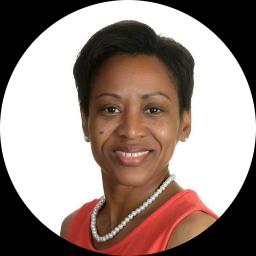
About Cindy
Dr. Cindy George brings a client-centred way of working to her counselling practice. She focuses on helping people manage stress, anxiety, depression and relationship or intimacy concerns.
Her approach aims to be warm and non-judgemental so people feel heard and understood from the first session. She has 25 years of experience in counselling and psychology and holds a PhD in Counselling along with earlier degrees in counselling and psychology. Her listed credential is BACP, the British Association for Counselling and Psychotherapy.
Background and approach
That background informs a flexible approach rather than a one-size-fits-all programme. In sessions she uses a mix of methods depending on what someone needs. Cognitive behavioural ideas help with thoughts and behaviour that get in the way.
Client-centred work focuses on listening and building self-awareness. Narrative and existential perspectives are used to revisit life stories and values when people feel stuck. Practical goals are part of the plan.
This can mean learning calmer ways to respond to panic, finding better ways to talk about hurt in close relationships, or making small changes to manage mood swings. She also supports people dealing with grief, addictions, eating and body-image concerns, and life transitions. Therapy is described in plain terms and tailored to the person.
Dr George aims to help people notice what is working, try new responses, and build confidence in handling day-to-day challenges. The process is collaborative and paced to each person's needs.
Details from the counsellor's public professional profile · registration number listed
← Browse all counsellorsRegistration
| Body | Registration number | Expires |
|---|---|---|
| BACP | 392306 | April 2026 |
Registration details are as listed on the counsellor's public profile. You can check any number with the registering body.
Sessions and payment
Sessions are held online through our partner platform, by video, phone or messaging depending on the counsellor.
Cost Costs are shown on the partner platform before you commit. If cost is a concern, ask about reduced-fee options.
Focus areas and approaches
Everything Cindy lists on their public professional profile, in their own terms.
- Stress, Anxiety
- Relationship issues
- Family conflicts
- Intimacy-related issues
- Depression
- Addictions
- LGBT
- Trauma and abuse
- Grief
- Eating disorders
- Parenting issues
- Anger management
- Self esteem
- Career difficulties
- Bipolar disorder
- Coping with life changes
- Coaching
- Blended family issues
- Body image
- Commitment issues
- Communication problems
- Control issues
- Divorce and separation
- Domestic violence
- Family problems
- Forgiveness
- Infidelity
- Isolation / loneliness
- Life purpose
- Midlife crisis
- Mood disorders
- Panic disorder and panic attacks
- Phobias
- Post-traumatic stress
- Self-harm
- Self-love
- Sexuality
- Social anxiety and phobia
- Workplace issues
- Young adult issues
Ways of working Cindy names
- Client-Centred Therapy
- Cognitive Behavioural Therapy (CBT)
- Dialectical Behaviour Therapy (DBT)
- Existential Therapy
- Narrative Therapy
- Psychodynamic Therapy
- Solution-Focused Therapy
- Systemic Therapy
Naming an approach is not evidence of training in it. This directory copies what each counsellor lists and does not check training records.
How therapeutic approaches work online
Client-Centred Therapy focuses on attentive listening and helping a person build self-awareness and confidence. Online sessions using this approach tend to centre on discussion, reflective listening and collaborative goal-setting to help someone make steady changes.Cognitive Behavioural Therapy (CBT) looks at how thoughts and behaviours interact. In online CBT people work on practical exercises, try new behavioural experiments between sessions, and track progress with straightforward tools and homework.
Dialectical Behaviour Therapy (DBT) offers skills for managing intense emotions and improving interpersonal effectiveness. Delivered remotely, DBT-style work can include short skill-focused conversations and repeated practice of grounding or emotional-regulation techniques.
Choosing the right approach is part of the work. The therapist will talk through aims, try approaches suited to those goals, and adapt the plan as progress is made. This is a collaborative process that respects the person’s preferences and pace.
Online therapy offers practical benefits. Video calls allow face-to-face conversation when visual cues matter. Phone sessions can be useful when bandwidth is limited or a check-in fits into a short break. Live chat and text-based messaging make it easier to keep in touch between sessions and to use shorter check-ins when that suits a person's schedule. Registered or accredited professionals often use a mix of these formats to make counselling more flexible and accessible.
Frequently asked
What concerns does the counsellor address?
Dr Cindy George works with a wide range of issues including stress, anxiety, depression, relationship and intimacy concerns, grief, addictions, eating and body image issues, and coping with life changes.
What therapeutic style does she use?
She draws on client-centred methods alongside cognitive behavioural therapy, dialectical behaviour therapy, existential and narrative approaches to match the work to each person's needs.
How much experience does she have?
She has 25 years of experience in counselling and psychology, working across different settings and with varied concerns.
What credential and region are listed?
Her listed credential is BACP, and she practises in the United Kingdom.
Are sessions available in other languages or countries?
Sessions are offered in English and she accepts international clients.
Which session formats are offered?
Therapy is available by video calls, phone sessions, live chat, or text-based messaging to suit different preferences.
How does pricing work?
Cost varies with location and therapist availability, and sessions use a subscription that can be cancelled at any time.
How do I begin therapy with her?
Use the Start Therapy button, complete a short matching questionnaire, and then schedule sessions according to therapist availability.
More counsellors who work with Stress, Anxiety
See all
Joseph Shepherd
BACP
3 years in practice
Client-centred counsellor for life changes
- Stress, Anxiety
- Self esteem
- Career
Adelle Liggitt
BACP
3 years in practice
Calm, practical support for anxiety and grief
- Stress, Anxiety
- Relationship
- Grief

Mike Kelly
BACP
4 years in practice
Practical counsellor for everyday struggles
- Stress, Anxiety
- Relationship
- Grief