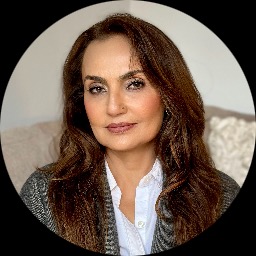
Mehbuba Khalid
BACP
5 years in practice English, Bengali
Experienced relational counsellor for life changes
- Relationship
- Trauma and abuse
- Intimacy-related issues
UK counselling directory
36 counsellors in this directory name Urdu among the languages they offer sessions in.
Accessing therapy in your native Urdu can help you express feelings and cultural experiences more fully. Browse Urdu-speaking therapists below to review profiles, therapeutic approaches and experience across the UK.
BACP
5 years in practice English, Bengali
Experienced relational counsellor for life changes
BACP
6 years in practice English, Punjabi
Calm, practical support for everyday struggles
BACP
8 years in practice English, Hindi
Empathic counsellor with practical tools
BACP
10 years in practice English, Urdu
Experienced counsellor focused on practical support
BACP
12 years in practice English, Hindi
Person-centred counsellor focusing on practical change
BACP
4 years in practice English, Urdu
Compassionate counsellor for everyday challenges
BACP
6 years in practice English, Punjabi
Calm, culturally aware counsellor for adults
BACP
4 years in practice English, Hindi
Person-centred counsellor for everyday pressures
BACP
9 years in practice English, Urdu
Practical support for stress and family concerns
BACP
9 years in practice English, Hindi
Practical, empathic counselling for everyday struggles
BACP
5 years in practice English, Hindi
Calm, practical counselling for life changes
BACP
19 years in practice English, Hindi
Warm client-centred counsellor
BACP
12 years in practice English, Punjabi
Practical counselling for stress and life changes
BACP
27 years in practice English, Punjabi
Attachment-focused counsellor with wide-ranging experience
BACP
4 years in practice English, Bengali
Practical, person-focused counselling and support
BACP
6 years in practice English, Urdu
Integrative counsellor focused on relationships and meaning
BACP
5 years in practice English, Hindi
Warm, practical counselling rooted in BACP standards
BACP
4 years in practice English, Punjabi
Calm, practical support for life challenges
BACP
4 years in practice English, Hindi
Compassionate, practical counselling for life changes
BACP
15 years in practice English, Punjabi
Experienced BACP counsellor focused on recovery and growth
BACP
3 years in practice English, Hindi
Compassionate counsellor for everyday challenges
BACP
21 years in practice English, Gujarati
Experienced counsellor focusing on practical change
BACP, NCPS
4 years in practice English, Hindi
Practical talking therapy with emotional focus
BACP
7 years in practice English, Urdu
Warm, practical counselling for life changes
BACP
4 years in practice English, Hindi
Experienced psychodynamic counsellor focused on understanding patterns
BACP
4 years in practice English, Hindi
Warm, practical counselling for life challenges
BACP
7 years in practice English, Urdu
Compassionate counsellor helping people move forward
BACP
3 years in practice English, Urdu
Practical counselling for stress and relationships
BACP
12 years in practice English, Urdu
Calm, practical support for stress and relationships
BACP
9 years in practice English, Hindi
Compassionate counsellor for emotional healing
BACP
5 years in practice English, Hindi
Practical, respectful counselling for stress and trauma
BACP
3 years in practice English, Punjabi
Practical, person-focused counselling for life changes
BACP
3 years in practice English, Punjabi
Compassionate, practical support for everyday struggles
BACP
3 years in practice English, Hindi
Compassionate counsellor for anxiety and relationships
BACP
22 years in practice English, Punjabi
Practical, down-to-earth counselling and support
BACP
5 years in practice English, Hindi
Practical, values-led counselling for everyday struggles
Some links on this page are partner links. We will earn a commission if you sign up through one, at no cost to you.
When you speak with a therapist in Urdu you are more likely to find words that carry the precise emotional tone you intend. Language is not only a tool for communication - it shapes how you recall memories, name sensations and connect cultural meanings to feelings. Many people find that being able to use idioms, phrases and family expressions from their upbringing helps them feel understood in ways that translate poorly through an interpreter or a second language.
Therapeutic work often asks you to slow down, explore subtle shifts in mood and reflect on early experiences. Doing that in your first language can reduce the mental energy spent on translation and allow you to focus on the substance of your thoughts. You may notice that certain cultural references or religious concepts sit differently in Urdu, and a practitioner who speaks that language can recognise the nuances of those references. For many, this leads to a stronger sense of rapport and a clearer working relationship.
Urdu carries layers of politeness, formality and affection that differ from English. The same phrase may indicate respect or distance depending on context, and your therapist's awareness of those cues can shape the tone of sessions. Being able to describe shame, grief or relief in language you learned at home can open routes to insights you may have kept to yourself when speaking another language. In short, having therapy in Urdu is about more than direct translation - it is about preserving cultural meaning and emotional clarity.
Language barriers can change how you present problems and how a therapist understands them. When you are thinking in Urdu but speaking in English you may simplify complex experiences or default to words that do not capture the intensity or ambiguity of what you feel. That can lead to misinterpretation of symptoms, misunderstandings about priorities and a sense that important parts of your story remain undiscovered.
If you rely on family members to translate, dynamics of power and loyalty can change what you are willing to share. Even professional interpreters can face limits - they may not always convey tone, humour or cultural idioms in a way that preserves emotional depth. For some people, these gaps make therapy feel less useful or create frustration when you sense that subtle details are being lost. Finding someone who can work with you in Urdu reduces those layers and can help you stay focused on the emotional work rather than on constant language negotiation.
Some words in Urdu have layered meanings that do not match a single English word. Concepts tied to honour, family roles and intergenerational expectations may carry complex valence. When words are flattened into simpler terms, the emotional significance can be diminished. You will benefit from a therapist who recognises the cultural weight words can carry and can explore those layers with you rather than substituting a one-word equivalent.
Online therapy offers a range of formats that you can choose from, such as video calls, phone sessions or messaging. When you connect with an Urdu-speaking therapist online you can often access practitioners across the UK rather than being limited by location. Sessions will generally follow a similar rhythm to in-person work - an initial consultation to explore what brings you, followed by regular sessions where you review progress and set goals. You should expect the therapist to explain their way of working, the approaches they use and what a typical session looks like.
Many therapists list several approaches on their profiles, so you may find descriptions that say they draw on psychodynamic ideas, humanistic methods or cognitive-behavioural techniques. Some therapists may list EMDR among their approaches; that phrasing indicates the method is used in their work but does not confirm specific qualifications. It is reasonable to read profiles to learn which ways of working appeal to you and to ask practitioners how those approaches might be used in sessions with Urdu-speaking clients.
Before your first online session you will likely receive information about how calls are arranged, what platform is used and how payments are handled. You can expect to discuss boundaries around session times, what to do if a connection drops and how you will contact the therapist between sessions if necessary. Many people appreciate the ability to attend from home or from another comfortable setting, which can reduce the stress of travel and make it easier to maintain regular meetings.
Cultural stigma around mental health can be a major barrier. You may worry about how family members will react, about carrying a label or about being judged for seeking help outside the family network. Some communities emphasise resilience and communal solutions, and this can make it harder to voice needs that feel personal or shameful. Talking through these concerns with a therapist who understands the cultural background and language can help you navigate disclosure, information-sharing boundaries and how to involve family when appropriate.
Another concern is finding a therapist who understands religious practices, migration histories and intergenerational expectations. You may want someone who appreciates the role of religion in daily life or who has experience working with bilingual families. It is also common to be unsure about how therapy will be received by elders or how it will affect relationships. A practitioner who speaks Urdu can help you weigh the cultural implications of therapy and identify ways to manage family conversations if you choose to share your work.
Trust develops when you feel seen and when a therapist demonstrates understanding of the cultural scenarios that matter to you. Cultural competence is not an automatic trait of language ability, but being able to communicate in Urdu often indicates a greater likelihood that the therapist will grasp key cultural references. You may want to ask how a therapist has worked with clients from similar backgrounds and how they approach cultural questions in therapy.
Online therapy widens the pool of practitioners who can support you, giving you access to a broader range of therapeutic styles and perspectives. You can connect with therapists across different regions, which is useful if you live in an area with fewer Urdu-speaking counsellors. The flexibility of online work also makes it easier to fit sessions around work, family and study commitments. Many people find that remote sessions reduce the logistical burden while still allowing deep therapeutic work.
When choosing a therapist, start by looking for those who are registered or accredited with recognised UK bodies. Read profile descriptions to see which approaches are mentioned and how the practitioner describes working with cultural issues. If a therapist lists specific methods, remember that this indicates their approach rather than formal proof of certification. Consider practical preferences such as whether you would like a counsellor who uses more directive techniques or one who offers more reflective, exploratory work, and whether you prefer someone who shares your gender or background.
When you make an initial contact, it is fine to ask about how they communicate in Urdu, how they handle cultural matters and what a typical session looks like. You may want to enquire about fees, session length and whether the therapist is registered with an accrediting body in the UK. Writing down the most important elements you need from therapy - whether cultural understanding, a particular therapeutic approach or flexibility of appointment times - can help you assess profiles and decide which practitioners to explore further.
Ultimately, therapy in Urdu can give you a clearer pathway to expressing yourself and exploring issues that matter. Taking time to read profiles, reflect on your priorities and make a considered first contact will help you find a practitioner whose language skills and approach align with your needs.