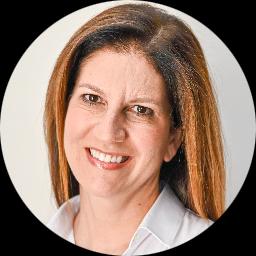
Katie Robinson
BACP
4 years in practice
A calm, practical counsellor for relationships
- Relationship
- Family
- Trauma and abuse
UK counselling directory
108 counsellors list Gottman Method among the ways they work. Naming an approach is not evidence of training in it, so ask directly how they use it.
The Gottman Method is a research-informed approach to couples work that focuses on interaction patterns, conflict management and building emotional connection. Below you can browse UK counsellors who list the Gottman Method among their approaches and specialise in relationship work. Use the listings to review counsellors' areas of focus, professional registration and languages spoken.
BACP
4 years in practice
A calm, practical counsellor for relationships
BACP
5 years in practice English, Bengali
Experienced relational counsellor for life changes
BACP
12 years in practice English, Spanish
Calm, practical support for life changes
BACP, NCPS
18 years in practice English, Spanish
Experienced counsellor for life transitions
BACP
5 years in practice
Compassionate person-centred counsellor
BACP
11 years in practice English, Mandarin
Calm, practical counselling for everyday struggles
BACP
3 years in practice English, Central Khmer
Calm, mindful counselling with practical tools
BACP
10 years in practice
Collaborative counsellor for relationship and trauma concerns
BACP, NCPS
4 years in practice English, Romanian
Warm, practical counselling for relationship and life struggles
BACP, NCPS
7 years in practice
Calm, practical counselling for life changes
BACP, NCPS
5 years in practice
Compassionate counsellor for anxiety and life changes
BACP
3 years in practice
Compassionate counsellor for emotional and relationship challenges
BACP
12 years in practice
Support for anxiety, addiction and relationships
BACP
4 years in practice
Relationship-focused counsellor blending attachment work
BACP
12 years in practice
Experienced counsellor for relationship and life stress
BACP
3 years in practice
Calm, practical counselling for everyday struggles
BACP
17 years in practice
Experienced UK counsellor for everyday struggles
BACP
8 years in practice
Experienced online counsellor focused on recovery and connection
BACP
12 years in practice
Warm, practical therapy for life and relationships
BACP
8 years in practice
Compassionate relational counsellor focused on personal growth
BACP
4 years in practice
A practical, experienced counsellor for life and relationships
BACP
6 years in practice English, Gujarati
Compassionate counselling focused on relationships
BACP
4 years in practice
Supportive counsellor for stress and relationships
10 years in practice
An experienced, pragmatic counsellor for everyday struggles
BACP
5 years in practice
Practical, person-centred support for everyday struggles
BACP
8 years in practice
Change how you feel and move forward
BACP
4 years in practice
Compassionate person-centred counsellor
BACP
7 years in practice
Calm, non-judgemental psychotherapeutic support
BACP
12 years in practice English, French
Collaborative counsellor focusing on attachment and change
9 years in practice
Practical support for stress, relationships and mood
BACP
12 years in practice
Practical, down-to-earth online counsellor
BACP
9 years in practice
Calm, practical support for life’s difficult moments
BACP
8 years in practice
Calm, practical therapy for life challenges
BACP
4 years in practice
Gentle, practical support for life’s hard moments
BACP
30 years in practice
Experienced, practical counselling for everyday struggles
BACP
5 years in practice
Gentle, practical therapy for life changes
5 years in practice English, Punjabi
Compassionate counsellor for emotional change
BACP, NCPS
7 years in practice
Supportive counsellor using practical and reflective methods
BACP, NCPS
17 years in practice
Calm, practical therapy for tangled thoughts and relationships
BACP, NCPS
7 years in practice English, Akan
Warm, practical counselling for life changes
25 years in practice
Experienced counsellor for relationships and trauma
BACP
8 years in practice English, Romanian
Compassionate counsellor focused on practical growth
BACP
3 years in practice
Compassionate, practical online counselling
BACP
27 years in practice English, Portuguese
Person-centred counsellor for relationship and grief
BACP
7 years in practice
Practical, person-centred help for relationships and stress
BACP
8 years in practice English, Hindi
Calm, practical counselling for lifes hard moments
BACP
3 years in practice English, Spanish
Person-centred counsellor for anxiety and trauma
BACP
13 years in practice
Practical, compassionate counselling for life changes
Some links on this page are partner links. We will earn a commission if you sign up through one, at no cost to you.
The Gottman Method grew out of decades of observational research into how couples interact and what patterns predict relationship stability. At its heart is a framework that identifies both strengths and vulnerabilities in a relationship and then uses targeted interventions to support change. The approach draws on an understanding of natural interaction cycles, emotional responses and the small everyday moments that either build or erode trust and connection.
The method is often described through the Sound Relationship House model, which maps components such as building love maps, nurturing fondness and admiration, turning towards one another in everyday moments, managing conflict constructively and creating shared meaning. You will find an emphasis on measurable behaviours and practical skills rather than lengthy exploration of early life events, although a counsellor may weave in personal history where it helps explain current patterns. The overall aim is to strengthen the relationship by increasing positive interactions, reducing negative cycles and equipping you with tools to handle inevitable challenges.
People seek the Gottman Method for a wide range of relationship concerns. Couples frequently come because communication has become strained, arguments recur over the same issues, or emotional distance has developed. The approach is also used when couples are recovering from breaches of trust, including affairs, or when they want help negotiating major life transitions such as becoming parents, moving house, career changes or retirement. Some couples use Gottman-informed work to prepare for long-term commitment or to enhance an already stable relationship.
The method can also be helpful when partners struggle with patterns such as criticism, defensiveness, stonewalling or contempt. Counsellors who list the Gottman Method among their approaches may integrate methods to reduce reactivity, increase understanding and rebuild a positive perspective. While it is commonly applied to couples, therapists sometimes adapt elements for individuals wanting to improve relational skills, understand their role in conflict cycles, or work on emotional regulation within intimate relationships.
Sessions using the Gottman Method tend to feel structured and goal-oriented, while remaining responsive to what you bring into the room. Your counsellor will usually begin with an assessment phase to map relationship strengths and concerns. This assessment may include questions about your history together, current conflicts, sources of stress and what each partner wants from counselling. Some counsellors use standardised questionnaires to identify interaction patterns, but the central focus is on clarifying where the relationship functions well and where change is needed.
Subsequent sessions often blend psychoeducation about relationship dynamics with practical exercises. You might practise specific communication techniques, engage in guided conversations designed to increase understanding, or undertake brief experiments to change negative cycles. Counsellors may introduce skills for emotional regulation, teaching you how to recognise escalation and step back into constructive dialogue. Homework between sessions is common, with tasks aimed at increasing positive moments, practising repair after conflict and strengthening shared meaning in everyday life. Sessions can vary in length and format depending on the counsellor's approach and whether work takes place face-to-face or online.
The Gottman Method is distinguished by its empirical roots and its focus on observable interaction patterns. Where psychodynamic approaches may emphasise unconscious processes and the influence of early relationships, the Gottman Method concentrates on here-and-now behaviours and the ways partners respond to one another. Compared with cognitive-behavioural methods, which often target individual thoughts and behaviours, Gottman work places the couple's interaction as the primary focus and uses interventions tailored to relationship dynamics rather than individual cognition alone.
Systemic and emotion-focused therapies also consider relationship patterns, yet the Gottman Method tends to combine clear, skills-based techniques with an assessment framework designed to track changes in behaviour over time. You can expect a pragmatic blend of education, skill-building and guided dialogue. This does not mean other approaches are incompatible; many counsellors who list the Gottman Method among their approaches draw on multiple theories to meet a couple's needs. The key difference is the central role given to patterns of interaction and research-derived interventions aimed at improving those patterns.
The Gottman Method is a suitable option if you and your partner want a practical, skills-based way to improve communication, manage conflicts and restore closeness. It can be useful when both partners are willing to engage in structured conversation and try new ways of interacting. If one partner seeks individual insight into relational patterns, elements of the method may still be helpful when adapted by a counsellor working with individuals on relationship behaviour and emotional regulation.
There are situations where additional or specialist support may be needed. If there are safety concerns in the relationship, ongoing coercive control, active addiction that affects functioning, or severe mental health crises, you may require interventions designed specifically for those risks. In such cases, a counsellor may discuss referrals or complementary services to ensure appropriate care. You should feel able to ask a counsellor how they work with complex or high-risk circumstances and what steps they take to prioritise wellbeing during relationship work.
When searching for a counsellor who lists the Gottman Method among their approaches, pay attention to the details in profiles rather than assuming a uniform approach. Read descriptions to see whether a counsellor emphasises assessment, practical skills, couples work, or a blend of methods. Look for clear statements about areas of focus such as communication problems, trust repair, parenting transitions, or separation planning. Registration with recognised professional bodies and descriptions of experience working with couples can help you understand a counsellor's background, while information about session formats, languages spoken and cultural competence may indicate how well they fit your needs.
It is helpful to contact a counsellor to ask about their typical assessment process, how they tailor Gottman-informed techniques to your situation and how they support repair after difficult conversations. You may also ask whether they integrate other approaches and how they measure progress. Comparing focus areas, professional registration and the practical arrangements for sessions will give you a clearer sense of the match. Choosing a counsellor is a personal decision, and finding someone whose style and way of working resonate with you and your partner can make a meaningful difference to the process.
The Gottman Method offers a structured, research-informed way of addressing relationship patterns through assessment, skill-building and focused dialogue. Whether you are looking to improve everyday communication, navigate a major transition or rebuild trust after a rupture, understanding how this approach works and what to look for in a counsellor can help you make an informed choice. Use the directory to explore counsellors who list the Gottman Method among their approaches and to read about the practical aspects of their work so you can find a suitable match for your relationship goals.