
Diana Gunner, BACP
Diana Gunner is a counsellor who aims to make the first step into therapy easier to take.
About Diana
Diana Gunner is a counsellor who aims to make the first step into therapy easier to take. She works with people who are finding it hard to talk about what is troubling them and helps them put words to their feelings. Diana draws on four years of practice and uses that experience to guide conversations in a calm, respectful way.
Many people come with anxiety, panic, phobias, grief and trauma.
Background and approach
Diana also supports those facing baby loss, infertility and the changes of menopause. She listens for what matters most to each person and tailors the work to their needs. Her way of working is integrative.
That means she draws from client-centred, psychodynamic and solution-focused approaches to shape sessions. Diana often helps people identify small, practical steps they can use between meetings, alongside deeper conversations about patterns and meaning. She usually offers short-term counselling, typically six sessions, when that suits the person.
Sessions are offered by video call, phone, live chat or text-based messaging, so people can pick a format that fits their life. Diana is registered with the British Association for Counselling and Psychotherapy, the BACP. She works from the United Kingdom and holds sessions in English, including with international clients.
If someone wants a steady, non-judgemental space to think things through, Diana aims to be a calm companion on that process.
Details from the counsellor's public professional profile · registration number listed
← Browse all counsellorsRegistration
| Body | Registration number | Expires |
|---|---|---|
| BACP | 376292 | January 2027 |
Registration details are as listed on the counsellor's public profile. You can check any number with the registering body.
Sessions and payment
Sessions are held online through our partner platform, by video, phone or messaging depending on the counsellor.
Cost Costs are shown on the partner platform before you commit. If cost is a concern, ask about reduced-fee options.
Focus areas and approaches
Everything Diana lists on their public professional profile, in their own terms.
- Stress, Anxiety
- Trauma and abuse
- Grief
- Self esteem
- Depression
- Relationship issues
- Eating disorders
- Parenting issues
- Anger management
- Coping with life changes
- ADHD
- Abandonment
- Attachment issues
- Autism and Asperger Syndrome
- Blended family issues
- Cancer
- Caregiver issues and stress
- Control issues
- Dissociation
- Divorce and separation
- Domestic violence
- Eating and food-related issues
- Emptiness
- Family problems
- Fatherhood issues
- Fertility issues
- Guilt and shame
- Hearing impaired
- Life purpose
- Midlife crisis
- Panic disorder and panic attacks
- Postpartum depression
- Post-traumatic stress
- Pregnancy and childbirth
- Seasonal Affective Disorder (SAD)
- Self-harm
- Self-love
- Social anxiety and phobia
- Women's issues
- Workplace issues
- Young adult issues
Ways of working Diana names
Naming an approach is not evidence of training in it. This directory copies what each counsellor lists and does not check training records.
How Diana's Approaches Work Online
Client-centred therapy focuses on the person's experience and creates a space for them to be heard and understood. It helps when someone wants acceptance, clearer self-understanding and support to find their own solutions. Psychodynamic therapy looks at patterns that developed over time and how these affect current feelings and relationships; it can help when recurring themes or emotional reactions feel confusing or stuck.Diana will work with the person to decide which approach or blend suits their needs. Finding the right method is collaborative - she explores goals, preferences and how someone responds in early sessions before shaping the plan together. This means the approach can shift as progress or new issues appear.
Online therapy offers practical benefits for this way of working. Video calls let conversations feel close to face to face, while phone sessions need less bandwidth and can fit a break at work. Live chat and text-based messaging are useful for brief check-ins, writing things out, or when not being on camera feels easier. These options make it simpler to keep continuity and work steadily toward the changes someone wants.
Frequently asked
What kinds of concerns can be raised in sessions?
She supports a wide range of difficulties including stress, anxiety, trauma and abuse, grief, low self-esteem, depression, relationship worries, eating and parenting challenges, anger and coping with life changes. Additional areas listed include ADHD, attachment and fertility related concerns.
How does Diana work in therapy?
Her style is integrative and person-centred, focusing on the person's experience and goals. She combines short-term practical techniques with deeper reflection on patterns and meaning.
What experience does she bring?
She has four years of counselling experience and has worked with issues such as panic, phobias, bereavement, trauma, baby loss and infertility.
Where is the counsellor based and what credentials does she hold?
She practices from the United Kingdom and is registered with the British Association for Counselling and Psychotherapy, BACP.
Are sessions offered in other languages or across countries?
Sessions are offered in English and she accepts international clients.
Which session formats are available?
Sessions can be held by video call, phone, live chat or text-based messaging to suit different schedules and preferences.
How does cost and payment work?
Cost varies with location and therapist availability and sessions use a subscription model that can be cancelled at any time.
What do I need to do to begin?
Use the Start Therapy button, complete a short matching questionnaire, and then schedule sessions according to the therapist's availability.
More counsellors who work with Stress, Anxiety
See all
Joseph Shepherd
BACP
3 years in practice
Client-centred counsellor for life changes
- Stress, Anxiety
- Self esteem
- Career
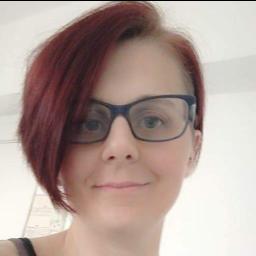
Adelle Liggitt
BACP
3 years in practice
Calm, practical support for anxiety and grief
- Stress, Anxiety
- Relationship
- Grief

Mike Kelly
BACP
4 years in practice
Practical counsellor for everyday struggles
- Stress, Anxiety
- Relationship
- Grief