
Clare Payne, BACP
Clare Payne offers calm, practical support to people facing anxiety, stress, low self-esteem and relationship concerns.
About Clare
Clare Payne offers calm, practical support to people facing anxiety, stress, low self-esteem and relationship concerns. She is comfortable helping with grief, trauma and intimacy-related difficulties, as well as career questions and parenting strains. Clare works with LGBT clients and those coping with compassion fatigue or depression.
Sessions are guided by what matters to the client on the day. Clare takes a person-centred approach that puts the client’s priorities first.
Background and approach
Early sessions focus on what has brought someone to counselling and what they hope to change. From there she helps identify patterns and stuck points, and works with clients to try new ways of responding. She uses Acceptance and Commitment Therapy to help people notice difficult thoughts and choose actions that match their values.
Attachment-based ideas are brought in when relationship patterns and early bonds matter. Clare also draws on motivational interviewing and psychodynamic ideas when these fit a client’s goals. Clare trained at the University of East London and holds a Postgraduate Diploma in Integrative Counselling and Coaching.
She also has background study in person-centred counselling and life coaching, which informs a flexible way of working. Sessions typically last 45 minutes and are paced to each person. Clare aims to create a supportive space where clients set the pace and decide what to focus on.
She encourages people to try a few sessions and see if the working relationship feels right.
Details from the counsellor's public professional profile · registration number listed
← Browse all counsellorsRegistration
| Body | Registration number | Expires |
|---|---|---|
| BACP | 388088 | September 2026 |
Registration details are as listed on the counsellor's public profile. You can check any number with the registering body.
Sessions and payment
Sessions are held online through our partner platform, by video, phone or messaging depending on the counsellor.
Cost Costs are shown on the partner platform before you commit. If cost is a concern, ask about reduced-fee options.
Focus areas and approaches
Everything Clare lists on their public professional profile, in their own terms.
- LGBT
- Self esteem
- Career difficulties
- Stress, Anxiety
- Relationship issues
- Trauma and abuse
- Grief
- Intimacy-related issues
- Parenting issues
- Depression
- Coaching
- Compassion fatigue
- Abandonment
- Aging and geriatric issues
- Attachment issues
- Avoidant personality
- Blended family issues
- Body image
- Codependency
- Commitment issues
- Communication problems
- Control issues
- Divorce and separation
- Emptiness
- Family of origin issues
- Family problems
- Fertility issues
- Guilt and shame
- Isolation / loneliness
- Jealousy
- Life purpose
- Midlife crisis
- Money and financial issues
- Mood disorders
- Obsessions, compulsions, and OCD
- Postpartum depression
- Post-traumatic stress
- Seasonal Affective Disorder (SAD)
- Self-love
- Sexuality
- Social anxiety and phobia
- Women's issues
Ways of working Clare names
- Acceptance and Commitment Therapy (ACT)
- Attachment-Based Therapy
- Client-Centred Therapy
- Motivational Interviewing
- Psychodynamic Therapy
- Solution-Focused Therapy
Naming an approach is not evidence of training in it. This directory copies what each counsellor lists and does not check training records.
How Clare’s approaches translate to online therapy
Clare commonly uses Acceptance and Commitment Therapy and Attachment-Based ideas in her work. ACT helps people notice unhelpful thoughts and focus on small steps that match their values, which is useful for anxiety, stress and low mood. Attachment-based ideas look at how early relationships shape current patterns, and this can help with intimacy and communication problems.Finding the best approach is a joint process. Clare will talk through your goals and preferences, then suggest ways of working that fit your needs. She may combine approaches and adjust them as the relationship develops so sessions stay focused and practical.
Online therapy offers several practical benefits. Video calls let people keep visual contact and work through body language, while phone sessions need less bandwidth and can fit into a break at work. Live chat and text-based messaging are useful for brief check-ins, reflection between sessions or when writing helps to clarify thoughts. These options make it easier to plan regular sessions around day‑to‑day life and to try different formats as needs change.
Frequently asked
What kinds of problems does Clare help with?
She works with anxiety, stress, low self-esteem, relationship and intimacy issues, grief, trauma, parenting concerns, career questions and compassion fatigue.
What is Clare's style in sessions?
Her style is person-centred and collaborative, so sessions follow what the client brings and what feels most important on the day.
What experience does she have?
Clare has four years of experience working with a mix of concerns and draws on her clinical and coaching background in practice.
What credentials and location are listed?
She is listed with BACP and practises in the United Kingdom.
Can I work with her if I am not in the UK?
Sessions are offered in English and she is not accepting international clients at this time.
How are sessions delivered?
Therapy is available by video calls, phone sessions, live chat or text-based messaging to suit different needs and schedules.
How much do sessions cost?
Costs vary with location and therapist availability; sessions use a subscription model that can be cancelled at any time.
How do I begin working with Clare?
Click the Start Therapy button, complete a short matching questionnaire, and schedule sessions according to the therapist's availability.
More counsellors who work with LGBT
See all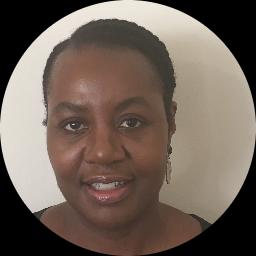
Sandra Barrett
BACP
5 years in practice
Supportive counsellor for stress and relationships
- Stress, Anxiety
- Relationship
- Grief

Rachel Xuereb
BACP
7 years in practice
Compassionate practical counselling for life challenges
- Stress, Anxiety
- Relationship
- Self esteem

Zahrasadat Saba
BACP
5 years in practice English, Persian
Helping people find clearer steps forward
- Stress, Anxiety
- Trauma and abuse
- Self esteem