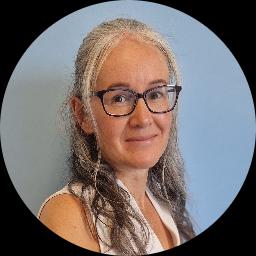
Barbara Coates, BACP
Barbara Coates is a psychotherapist working in the United Kingdom with five years of professional experience and membership of the British Association for Counselling and Psychotherapy (BACP).
About Barbara
Barbara Coates is a psychotherapist working in the United Kingdom with five years of professional experience and membership of the British Association for Counselling and Psychotherapy (BACP). She holds a Master's degree and uses a blend of approaches to tailor sessions to each person.
She aims to create a calm space where people can say what they need to and be heard without judgement. Barbara responds with empathy and practical support to help people feel understood.
Background and approach
She helps with stress, anxiety, low mood, mood swings and panic, and can support recovery from trauma and abuse. She also works with grief, low self-esteem, anger, addictions and difficulties around relationships and communication. Additional areas she addresses include ADHD, compassion fatigue, chronic illness, body image and issues linked to family of origin.
Sessions focus on understanding current difficulties and building simple, useful tools. Barbara uses Cognitive Behavioural Therapy to look at links between thoughts, feelings and actions. She draws on attachment ideas to understand relationship patterns and a client-centred stance to follow each person’s pace and priorities.
Her work aims to help people identify strengths, develop coping strategies and make clearer choices. Practical techniques may include symptom-management strategies, emotional regulation tools and problem-solving steps. Progress is shaped around personal goals rather than fixed timelines.
Barbara offers online formats including video calls, phone sessions, live chat and text messaging. International clients who speak English can access sessions. To begin, people complete a short matching questionnaire and arrange sessions through the Start Therapy button.
Details from the counsellor's public professional profile · registration number listed
← Browse all counsellorsRegistration
| Body | Registration number | Expires |
|---|---|---|
| BACP | 387332 | May 2026 |
Registration details are as listed on the counsellor's public profile. You can check any number with the registering body.
Sessions and payment
Sessions are held online through our partner platform, by video, phone or messaging depending on the counsellor.
Cost Costs are shown on the partner platform before you commit. If cost is a concern, ask about reduced-fee options.
Focus areas and approaches
Everything Barbara lists on their public professional profile, in their own terms.
- Stress, Anxiety
- Trauma and abuse
- Grief
- Self esteem
- Depression
- Addictions
- LGBT
- Relationship issues
- Family conflicts
- Sleeping disorders
- Anger management
- Career difficulties
- Bipolar disorder
- Coping with life changes
- Compassion fatigue
- ADHD
- Abandonment
- Attachment issues
- Avoidant personality
- Body image
- Caregiver issues and stress
- Chronic pain, illness, and disability
- Commitment issues
- Communication problems
- Disruptive Mood Dysregulation Disorder (DMDD)
- Domestic violence
- Emptiness
- Family of origin issues
- Family problems
- Guilt and shame
- Hoarding
- Impulsivity
- Isolation / loneliness
- Jealousy
- Life purpose
- Midlife crisis
- Mood disorders
- Panic disorder and panic attacks
- Personality disorders
- Post-traumatic stress
- Seasonal Affective Disorder (SAD)
- Self-harm
- Self-love
- Social anxiety and phobia
- Women's issues
- Workplace issues
Ways of working Barbara names
Naming an approach is not evidence of training in it. This directory copies what each counsellor lists and does not check training records.
How these approaches translate to online therapy
Attachment-Based Therapy looks at how early bonds shape current relationships and emotional responses. Online work with attachment ideas can help people notice patterns in close relationships and try new ways of relating that feel safer and more connected.Client-Centred Therapy focuses on being listened to without judgement and following the client’s pace. In remote sessions this often means the counsellor reflects and clarifies so the person can find their own solutions and build confidence over time.
Cognitive Behavioural Therapy (CBT) helps people spot links between thoughts, feelings and behaviours and then practise small changes. CBT suits online formats well because homework and short practical exercises can be shared between sessions and reviewed together.
Finding the right mix of approaches is part of the work together. The therapist will talk through goals, preferences and practicalities and then suggest which methods to try first. Clients are encouraged to give feedback so the plan can be changed if needed and the approach stays aligned with goals.
Online sessions offer flexible ways to meet. Video calls are useful for a full session with visual connection. Phone sessions may fit a busy day or be easier when bandwidth is limited. Live chat and text messaging can serve as brief check-ins, follow-ups or a lower‑intensity option for ongoing support. These formats make it simpler to schedule therapy around work, family or study commitments and to continue work when travel or relocation occurs.
Frequently asked
What concerns can Barbara help with?
She works with a wide range of issues including stress, anxiety, depression, trauma and grief, plus relationship and self-esteem difficulties.
How would you describe her therapeutic style?
Her style is warm and non-judgemental, combining practical techniques with listening and empathy to help people find workable strategies.
What experience does she have?
Barbara has five years of professional experience and a Master’s degree in psychotherapy.
What credentials and location are listed?
She is registered with the British Association for Counselling and Psychotherapy (BACP) and practises in the United Kingdom.
Can people who live outside the UK work with her?
Yes. International clients are accepted, and sessions are offered in English.
Which session formats are available?
Sessions can be held by video call, phone, live chat or text-based messaging to suit different needs and schedules.
How are costs and payments handled?
Costs vary with location and therapist availability; sessions use a subscription model that can be cancelled at any time.
How do I begin working with her?
Use the Start Therapy button, complete a short matching questionnaire and then schedule sessions according to the therapist’s availability.
More counsellors who work with Stress, Anxiety
See all
Joseph Shepherd
BACP
3 years in practice
Client-centred counsellor for life changes
- Stress, Anxiety
- Self esteem
- Career

Adelle Liggitt
BACP
3 years in practice
Calm, practical support for anxiety and grief
- Stress, Anxiety
- Relationship
- Grief

Mike Kelly
BACP
4 years in practice
Practical counsellor for everyday struggles
- Stress, Anxiety
- Relationship
- Grief