
Laura Arstall, BACP
Laura Arstall is a counsellor who focuses sessions around each person's needs.
About Laura
Laura Arstall is a counsellor who focuses sessions around each person's needs. She trained at level 7 on a British Association for Counselling and Psychotherapy course and is a member of the BACP. Her style is warm and straightforward and she aims to create a calm space for people to talk without judgement.
Sessions are led by the client. Laura listens and follows what is most important to the person in the room.
Background and approach
If someone prefers practical, goal-focused work she can shift to Solution-Focused Therapy on request. She does not push topics a person is not ready to discuss. Her experience covers a broad range of concerns.
This includes stress, anxiety, depression, grief, trauma and abuse, addictions, eating and body image issues, anger, low self-esteem and relationship difficulties. She also works with matters such as gender dysphoria, LGBT matters, adoption and attachment issues, and neurodiversity like ADHD and autism. Laura has worked in different settings and offers counselling remotely as well as in person.
She is used to helping people who are coping with life changes, compassion fatigue, family problems, communication and commitment difficulties. Her approach is practical and centred on the client’s priorities. She aims to be approachable and non-judgemental, encouraging people to find their own strengths.
If something about the working relationship isn’t right she invites open conversation and will support a change of direction or practitioner where needed.
Details from the counsellor's public professional profile · registration number listed
← Browse all counsellorsRegistration
| Body | Registration number | Expires |
|---|---|---|
| BACP | 392850 | June 2026 |
Registration details are as listed on the counsellor's public profile. You can check any number with the registering body.
Sessions and payment
Sessions are held online through our partner platform, by video, phone or messaging depending on the counsellor.
Cost Costs are shown on the partner platform before you commit. If cost is a concern, ask about reduced-fee options.
Focus areas and approaches
Everything Laura lists on their public professional profile, in their own terms.
- Stress, Anxiety
- LGBT
- Relationship issues
- Family conflicts
- Depression
- Addictions
- Trauma and abuse
- Grief
- Eating disorders
- Anger management
- Self esteem
- Coping with life changes
- Compassion fatigue
- ADHD
- Abandonment
- Adoption and foster care
- Attachment issues
- Autism and Asperger Syndrome
- BDSM, kink, and alternative sex culture
- Blended family issues
- Body image
- Codependency
- Commitment issues
- Communication problems
- Control issues
- Divorce and separation
- Domestic violence
- Family problems
- Gender dysphoria
- Guilt and shame
- Impulsivity
- Infidelity
- Isolation / loneliness
- Jealousy
- Life purpose
- Polyamory / non-monogamous relationships
- Self-harm
- Self-love
- Sexual assault and abuse
- Sexuality
- Workplace issues
- Young adult issues
Ways of working Laura names
Naming an approach is not evidence of training in it. This directory copies what each counsellor lists and does not check training records.
How Laura's approaches work online
Client-Centred Therapy focuses on the person in front of the counsellor. The emphasis is on listening, reflecting and following what the client brings. This approach helps when someone needs space to understand feelings, work through identity questions or rebuild confidence.Solution-Focused Therapy is more directed and aims at small, practical steps. It looks for what is already working and builds on it, which can be useful for short-term goals like improving communication or managing stress.
Choosing the right approach is part of the process and is decided together. The therapist will discuss what feels most helpful and adapt methods to match the client's goals and preferences. Collaboration helps set realistic steps and clear aims for therapy.
Online therapy offers flexibility and makes it easier to fit sessions into life. Video calls allow face-to-face conversation, phone sessions work when bandwidth is limited, live chat allows quick check-ins, and text messaging suits brief updates or reflection between sessions. These options help people access counselling from different places and at times that suit them.
Frequently asked
What kinds of problems does Laura help with?
She supports people with issues such as stress, anxiety, depression, grief, trauma and abuse, addictions and eating concerns, along with relationship and family difficulties.
How would you describe her therapeutic style?
Sessions are primarily person centred, meaning the client guides what is discussed. She can adopt a more solution-focused, goal-oriented style when that better suits someone.
What is her professional background?
She has five years of experience working across different settings and with a wide range of presenting issues.
Where is she based and what credential does she hold?
She is based in the United Kingdom and is a member of the British Association for Counselling and Psychotherapy, listed with the BACP.
Can sessions be held in other languages or with international clients?
Sessions are offered in English and international clients are accepted.
What formats are available for sessions?
Therapy is offered via video calls, phone sessions, live chat and text-based messaging to suit different needs and schedules.
How are fees and billing handled?
Cost varies with location and therapist availability; sessions use a subscription model that can be cancelled at any time.
How do I begin if I want to work with her?
Start by using the Start Therapy button, complete a short matching questionnaire and then schedule sessions according to the therapist's availability.
More counsellors who work with Stress, Anxiety
See all
Joseph Shepherd
BACP
3 years in practice
Client-centred counsellor for life changes
- Stress, Anxiety
- Self esteem
- Career
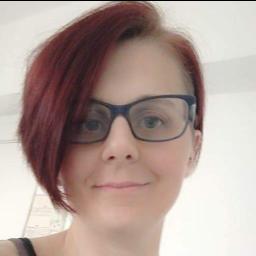
Adelle Liggitt
BACP
3 years in practice
Calm, practical support for anxiety and grief
- Stress, Anxiety
- Relationship
- Grief

Mike Kelly
BACP
4 years in practice
Practical counsellor for everyday struggles
- Stress, Anxiety
- Relationship
- Grief