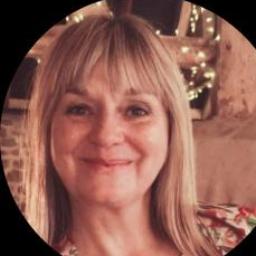
Fiona Waddle, BACP
Fiona Waddle is a counsellor who trained to postgraduate diploma level and is a member of the British Association for Counselling and Psychotherapy (BACP).
About Fiona
Fiona Waddle is a counsellor who trained to postgraduate diploma level and is a member of the British Association for Counselling and Psychotherapy (BACP). She has seven years' experience working in a hospice, a wellbeing clinic and in independent practice. Fiona helps people facing relationship difficulties, the effects of trauma and abuse, grief, and the pressures of parenting and life change.
She offers a warm, accepting way of working and aims to make the first steps into therapy easier.
Background and approach
Sessions focus on listening, understanding and helping people to name and untangle difficult thoughts and feelings. Fiona uses a person-centred foundation to keep the work focused on each person's needs. Her approach draws on mindfulness to help people notice what is happening in the moment.
She also uses solution-focused ideas to identify practical next steps and Trauma-Focused Therapy principles when working with the impact of past harm. This mix helps people manage intense emotions and build more helpful patterns day to day. Fiona has worked with groups and individuals affected by domestic abuse and delivers psychoeducational groupwork for a national UK charity.
She keeps up ongoing professional development and receives regular supervision in line with BACP practice. Practical options include video calls, phone sessions, live chat and text messaging. Fiona is based in the United Kingdom and works in English.
Details from the counsellor's public professional profile · registration number listed
← Browse all counsellorsRegistration
| Body | Registration number | Expires |
|---|---|---|
| BACP | 375306 | August 2026 |
Registration details are as listed on the counsellor's public profile. You can check any number with the registering body.
Sessions and payment
Sessions are held online through our partner platform, by video, phone or messaging depending on the counsellor.
Cost Costs are shown on the partner platform before you commit. If cost is a concern, ask about reduced-fee options.
Focus areas and approaches
Everything Fiona lists on their public professional profile, in their own terms.
- Relationship issues
- Trauma and abuse
- Grief
- Parenting issues
- Coping with life changes
- Abandonment
- Attachment issues
- Body image
- Caregiver issues and stress
- Codependency
- Commitment issues
- Communication problems
- Control issues
- Divorce and separation
- Domestic violence
- Eating and food-related issues
- Emptiness
- Family problems
- Forgiveness
- Guilt and shame
- Hoarding
- Hospice and end-of-life counselling
- Infidelity
- Isolation / loneliness
- Jealousy
- Life purpose
- Men's issues
- Midlife crisis
- Mood disorders
- Narcissism
- Obsessions, compulsions, and OCD
- Postpartum depression
- Post-traumatic stress
- Pregnancy and childbirth
- Prejudice and discrimination
- Seasonal Affective Disorder (SAD)
- Self-love
- Social anxiety and phobia
- Women's issues
- Workplace issues
Ways of working Fiona names
Naming an approach is not evidence of training in it. This directory copies what each counsellor lists and does not check training records.
How Fiona brings therapeutic approaches to online sessions
Fiona uses a person-centred approach that places the person's experience at the heart of the work. She listens without judgement and helps clients make sense of difficult feelings, so sessions often start with where the client is and what they most want to address.She also draws on mindfulness to help people notice habits of thought and bodily reactions. Mindfulness tasks are described simply and practised during sessions to build calm and focus over time. Solution-Focused Therapy is used to identify small, practical steps and clearer goals that can make a difference between appointments.
Finding the right approach is part of the work rather than a one-time decision. Fiona will talk with each person about their needs, goals and preferences and together shape a plan that feels useful. The approach can adapt as progress is made or new issues emerge.
Online sessions offer practical flexibility. Video calls allow face-to-face conversation when visual connection helps. Phone sessions can be used when bandwidth is limited or a shorter check-in is needed. Live chat and text-based messaging suit people who prefer writing, want brief check-ins, or need a quieter way to communicate. These options make it easier to fit therapy around work, family or other commitments.
Frequently asked
What kinds of problems does Fiona address?
She helps people with relationship difficulties, trauma and abuse, grief, parenting strains and coping with life changes, plus related issues such as attachment, body image and family problems.
How would she describe her way of working?
Fiona works from a person-centred base, listens carefully and uses mindfulness and solution-focused ideas to find practical steps forward.
How much clinical experience does she have?
She has seven years' experience working in settings that include a hospice, a wellbeing clinic and independent practice.
What professional registration does she hold and where is she based?
Fiona is a member of the British Association for Counselling and Psychotherapy (BACP) and practises in the United Kingdom.
Can I work with her if I live outside the UK or speak another language?
Sessions are offered in English and she is not taking international clients at this time.
What session formats are available online?
She offers video calls, telephone sessions, live chat and text-based messaging to suit different needs and schedules.
How are sessions paid for and what do they cost?
Costs vary with location and therapist availability; sessions use a subscription model that can be cancelled at any time.
How do I begin if I want to work with her?
Click the Start Therapy button, complete a short matching questionnaire, then schedule sessions according to the therapist's availability.