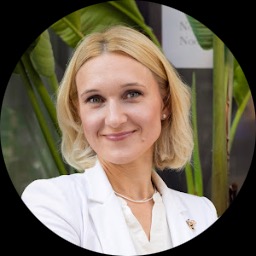
Tetiana Brotherton, BACP
Tetiana Brotherton offers support for stress, anxiety, addictions, trauma and abuse, grief and depression.
About Tetiana
Tetiana Brotherton offers support for stress, anxiety, addictions, trauma and abuse, grief and depression. She helps people who are struggling with intense emotions, overwhelming thoughts or habits that feel out of control. Tetiana speaks English, Russian and Ukrainian and works from the United Kingdom.
She is listed with the British Association for Counselling and Psychotherapy, BACP. Tetiana takes a straightforward, compassionate approach. Sessions focus on what matters now and on practical next steps.
Background and approach
She listens without judgement and helps people name their difficulties so they feel less alone. Her work blends client-centred listening with tools from cognitive behavioural therapy and mindfulness. That means conversations about feelings and memories are paired with techniques to change unhelpful thinking and notice the present moment.
She also draws on motivational interviewing and solution-focused ideas to help people find reasons to change and small goals to aim for. This combination is used to address addiction patterns, relationship and attachment worries, and family of origin issues among other concerns.
Tetiana has three years of clinical experience and has worked with a wide range of personal difficulties such as abandonment, codependency, body image struggles, domestic violence, and eating-related issues. Her style is calm and practical, aimed at helping people build routines and clearer boundaries.
People who contact her are helped to set simple goals, practise new ways of coping, and track progress over time. She invites anyone ready to talk through their situation to begin with a short matching process and schedule a session.
Details from the counsellor's public professional profile · registration number listed
← Browse all counsellorsRegistration
| Body | Registration number | Expires |
|---|---|---|
| BACP | 402237 | October 2026 |
Registration details are as listed on the counsellor's public profile. You can check any number with the registering body.
Sessions and payment
Sessions are held online through our partner platform, by video, phone or messaging depending on the counsellor.
Cost Costs are shown on the partner platform before you commit. If cost is a concern, ask about reduced-fee options.
Focus areas and approaches
Everything Tetiana lists on their public professional profile, in their own terms.
- Stress, Anxiety
- Addictions
- Trauma and abuse
- Grief
- Depression
- Abandonment
- Antisocial personality
- Attachment issues
- Blended family issues
- Body image
- Codependency
- Communication problems
- Control issues
- Divorce and separation
- Domestic violence
- Eating and food-related issues
- Emptiness
- Family of origin issues
- Family problems
- Forgiveness
- Guilt and shame
- Immigration issues
- Impulsivity
- Infidelity
- Isolation / loneliness
- Jealousy
- Life purpose
- Men's issues
- Panic disorder and panic attacks
- Post-traumatic stress
- Process addiction (porn, exercise, gambling)
- Seasonal Affective Disorder (SAD)
- Self-harm
- Self-love
- Sex addiction
- Sexual dysfunction
- Sexuality
- Social anxiety and phobia
- Women's issues
- Workplace issues
- Young adult issues
Ways of working Tetiana names
- Client-Centred Therapy
- Cognitive Behavioural Therapy (CBT)
- Mindfulness Therapy
- Motivational Interviewing
- Solution-Focused Therapy
Naming an approach is not evidence of training in it. This directory copies what each counsellor lists and does not check training records.
Approaches that suit online therapy
Client-centred work focuses on listening and understanding the person without judgement. This approach helps people feel heard, build trust, and talk through difficult feelings at their own pace.Cognitive behavioural therapy, or CBT, looks at how thoughts, feelings and behaviours link together. It teaches simple techniques to spot unhelpful thinking and try new behaviours, which can help with anxiety, depression and compulsive habits.
Mindfulness therapy helps people notice the present moment and respond rather than react. It supports stress reduction and can make strong emotions easier to manage during everyday life.
Finding the right approach is part of the work. The therapist will discuss goals, preferences and practical needs and then choose or combine methods together with the client. That collaborative process makes it easier to try tools that feel relevant and realistic.
Online sessions offer flexibility for people with busy schedules or travel limits. Video calls allow face-to-face conversation, phone sessions work when bandwidth is low, live chat suits shorter check-ins and text messaging can be used for ongoing support between sessions. These options make it easier to fit therapy into daily life and keep momentum between meetings.
Frequently asked
What types of issues does she help with?
She supports people facing stress, anxiety, addictions, trauma and abuse, grief and depression, plus related concerns like attachment issues, codependency and family problems.
What is her therapeutic style like?
Her style is compassionate and straightforward. She combines listening with practical techniques to help people make small changes.
How much professional experience does she have?
She has three years of clinical experience working with a wide range of personal difficulties and recovery needs.
Where is the counsellor based and what credential does she hold?
She practices in the United Kingdom and is listed with the British Association for Counselling and Psychotherapy, BACP.
Which languages are available for sessions?
Sessions are offered in English, Russian and Ukrainian.
What session formats are offered?
Sessions can take place by video calls, phone sessions, live chat, or text-based messaging to suit different needs and schedules.
How is pricing handled?
Cost varies with location and therapist availability and sessions use a subscription that can be cancelled at any time.
How do I begin working with her?
Start by selecting the Start Therapy button, complete a short matching questionnaire, and then schedule sessions according to therapist availability.
More counsellors who work with Stress, Anxiety
See all
Joseph Shepherd
BACP
3 years in practice
Client-centred counsellor for life changes
- Stress, Anxiety
- Self esteem
- Career

Adelle Liggitt
BACP
3 years in practice
Calm, practical support for anxiety and grief
- Stress, Anxiety
- Relationship
- Grief

Mike Kelly
BACP
4 years in practice
Practical counsellor for everyday struggles
- Stress, Anxiety
- Relationship
- Grief