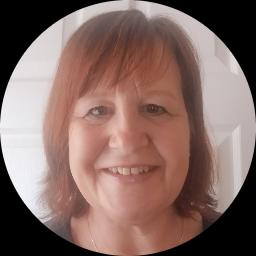
Linda Henderson, BACP
Linda Henderson is a counsellor and psychotherapist who practises in the United Kingdom.
About Linda
Linda Henderson is a counsellor and psychotherapist who practises in the United Kingdom. She is registered with the British Association for Counselling and Psychotherapy (BACP) and has seven years of experience supporting people facing a range of difficulties. Linda works in a straightforward and compassionate way to help people make sense of what is happening in their lives.
She welcomes whatever someone brings to sessions - anxiety, low mood, relationship trouble, grief or life changes.
Background and approach
Sessions can also focus on confidence, motivation and coping with long-term health conditions. Linda has worked with people who are autistic and those living with neurodiversity, and she has experience supporting people affected by multiple sclerosis. Her approach is rooted in the person centred model, which means she listens closely and shapes therapy around each individual.
She draws on techniques from cognitive behavioural, mindfulness and solution-focused work when that will help. The aim is to increase self-awareness and build on people’s own strengths. Linda uses practical strategies and offers psycho-education when useful, so people can try things between sessions.
She also knows local and national services for mental health, autism and neurodivergence and can signpost where appropriate. Her manner is down to earth and she encourages clients to set the pace. Previous roles include counselling for MIND, MS-UK, work in primary care within a GP surgery and a community economic development trust in Plymouth.
She is also a trained Samaritan and has experience in social prescribing, which informs how she links people to extra support when needed.
Details from the counsellor's public professional profile · registration number listed
← Browse all counsellorsRegistration
| Body | Registration number | Expires |
|---|---|---|
| BACP | 377675 | June 2026 |
Registration details are as listed on the counsellor's public profile. You can check any number with the registering body.
Sessions and payment
Sessions are held online through our partner platform, by video, phone or messaging depending on the counsellor.
Cost Costs are shown on the partner platform before you commit. If cost is a concern, ask about reduced-fee options.
Focus areas and approaches
Everything Linda lists on their public professional profile, in their own terms.
- Stress, Anxiety
- Relationship issues
- Self esteem
- Depression
- Coping with life changes
- Family conflicts
- Trauma and abuse
- Grief
- Intimacy-related issues
- Sleeping disorders
- Parenting issues
- Anger management
- Career difficulties
- Compassion fatigue
- ADHD
- Aging and geriatric issues
- Autism and Asperger Syndrome
- Caregiver issues and stress
- Chronic pain, illness, and disability
- Communication problems
- Coping with natural or human-caused disaster
- Emptiness
- Family of origin issues
- Family problems
- First responder issues
- Forgiveness
- Guilt and shame
- Infidelity
- Intellectual disability
- Isolation / loneliness
- Jealousy
- Life purpose
- Midlife crisis
- Money and financial issues
- Narcissism
- Panic disorder and panic attacks
- Pregnancy and childbirth
- Prejudice and discrimination
- Self-love
- Sexuality
- Social anxiety and phobia
- Women's issues
- Workplace issues
- Young adult issues
Ways of working Linda names
- Client-Centred Therapy
- Cognitive Behavioural Therapy (CBT)
- Mindfulness Therapy
- Solution-Focused Therapy
Naming an approach is not evidence of training in it. This directory copies what each counsellor lists and does not check training records.
Approaches you can use online and what to expect
Client-Centred Therapy is based on listening without judgement and following the client’s priorities. It helps people feel understood and find direction at their own pace. Cognitive Behavioural Therapy or CBT looks at how thoughts, feelings and behaviours link together and offers practical strategies to reduce symptoms like anxiety or low mood.Finding the right approach is a collaborative process. The therapist will talk with you about goals, preferences and what feels manageable. Together you can try different techniques and agree what to keep using as therapy progresses.
Online work is offered via video calls, phone sessions, live chat or text-based messaging to suit different needs. Video calls allow face-to-face conversation and visual cues. Phone sessions use less bandwidth and can fit an appointment into a busy day. Live chat and messaging are useful for shorter check-ins, ongoing reflection, or when typing feels easier than speaking. These options make therapy more flexible and easier to fit around work, caregiving and other responsibilities.
Frequently asked
What kinds of problems does she help with?
She supports people with stress, anxiety, depression, relationship concerns and many life changes including grief and parenting strain.
What is her therapeutic style like?
Her style is down to earth and person centred, with practical strategies and gentle challenge when useful.
How much clinical experience does she have?
She has seven years of experience, including roles with MIND, MS-UK, and primary care in a GP surgery.
What credentials and region are relevant?
She is registered with the BACP and practises in the United Kingdom.
Which languages are sessions offered in?
Sessions are offered in English.
What session formats are available?
Sessions can be delivered by video calls, phone sessions, live chat, or text-based messaging.
How are fees and payments handled?
Costs vary with location and therapist availability; sessions use a subscription that can be cancelled at any time.
How do I begin working with her?
Begin by selecting the Start Therapy button, complete a short matching questionnaire, and then schedule sessions according to the therapist's availability.
More counsellors who work with Stress, Anxiety
See all
Joseph Shepherd
BACP
3 years in practice
Client-centred counsellor for life changes
- Stress, Anxiety
- Self esteem
- Career

Adelle Liggitt
BACP
3 years in practice
Calm, practical support for anxiety and grief
- Stress, Anxiety
- Relationship
- Grief

Mike Kelly
BACP
4 years in practice
Practical counsellor for everyday struggles
- Stress, Anxiety
- Relationship
- Grief