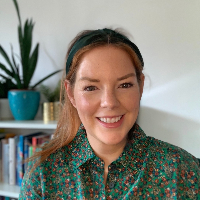
Emma James, BACP
Emma James offers counselling for a wide range of concerns including stress, anxiety, relationship problems, trauma, depression and issues around self-esteem.
About Emma
Emma James offers counselling for a wide range of concerns including stress, anxiety, relationship problems, trauma, depression and issues around self-esteem. She works with people feeling overwhelmed, stuck, tearful or experiencing negative thinking. Emma provides a calm, impartial space to talk about the past and present and to think about the future.
Her style is warm and client-centred. Sessions aim to help people make sense of difficult feelings and reduce unhelpful patterns.
Background and approach
Emma uses a conversational approach that focuses on what matters to the person in front of her rather than a one-size-fits-all method. Emma draws on attachment-based ideas to look at how early relationships affect current reactions. She also uses psychodynamic thinking to help uncover repeating patterns and Trauma-Focused work and EMDR to address distress linked to past events.
These approaches are used flexibly to match what the client needs and wants. She has a background in psychology with a BSc (Honours) in Psychology and completed a Diploma and Advanced Diploma on a British Association for Counselling and Psychotherapy accredited course. Emma is listed with BACP and has experience working in NHS wellbeing services offering short-term counselling.
Sessions are offered by video call, phone, live chat or text-based messaging. Emma aims to work collaboratively so people can set practical goals, try out new ways of coping and make steady progress at a pace that feels right.
Details from the counsellor's public professional profile · registration number listed
← Browse all counsellorsRegistration
| Body | Registration number | Expires |
|---|---|---|
| BACP | 155179 | July 2026 |
Registration details are as listed on the counsellor's public profile. You can check any number with the registering body.
Sessions and payment
Sessions are held online through our partner platform, by video, phone or messaging depending on the counsellor.
Cost Costs are shown on the partner platform before you commit. If cost is a concern, ask about reduced-fee options.
Focus areas and approaches
Everything Emma lists on their public professional profile, in their own terms.
- Stress, Anxiety
- Relationship issues
- Family conflicts
- Trauma and abuse
- Depression
- Addictions
- LGBT
- Grief
- Intimacy-related issues
- Eating disorders
- Sleeping disorders
- Parenting issues
- Anger management
- Self esteem
- Career difficulties
- Bipolar disorder
- Coping with life changes
- Coaching
- Compassion fatigue
- ADHD
- Abandonment
- Adoption and foster care
- Attachment issues
- Body image
- Communication problems
- Control issues
- Divorce and separation
- Domestic violence
- Eating and food-related issues
- Family problems
- Fertility issues
- Guilt and shame
- Isolation / loneliness
- Life purpose
- Panic disorder and panic attacks
- Postpartum depression
- Post-traumatic stress
- Pregnancy and childbirth
- Self-harm
- Self-love
- Social anxiety and phobia
- Trichotillomania
- Women's issues
Ways of working Emma names
- Attachment-Based Therapy
- Client-Centred Therapy
- Eye Movement Desensitization and Reprocessing (EMDR)
- Psychodynamic Therapy
- Trauma-Focused Therapy
Naming an approach is not evidence of training in it. This directory copies what each counsellor lists and does not check training records.
How Emma uses online therapy and therapeutic approaches
Attachment-Based Therapy looks at how early bonds shape feelings and reactions. It can help people understand why they respond strongly in relationships and learn different ways of relating. EMDR, Eye Movement Desensitization and Reprocessing, is a trauma-focused method used to reduce distress tied to painful memories and upsetting experiences. It is aimed at easing the intensity of those memories so they interrupt life less.Finding the right approach is part of the work. Emma will discuss different methods and make decisions together based on the person’s needs, goals and preferences. This collaborative process helps build a plan that feels sensible and manageable rather than imposed.
Online sessions are offered by video call, phone, live chat or text-based messaging to give flexibility. Video calls let people keep face-to-face contact without travel. Phone sessions can suit shorter check-ins or when bandwidth is limited. Live chat and text messaging are useful for regular check-ins, quick reflections between sessions or for people who prefer writing to speaking. These options help therapy fit around work, family life and day-to-day commitments.
Frequently asked
What kinds of problems does Emma help with?
She supports people with stress, anxiety, relationship and family concerns as well as trauma, depression, addictions, grief and many other issues listed in her profile.
How would you describe her therapeutic style?
Emma adopts a warm, client-centred style that is conversational and practical. She works collaboratively and focuses on what the person brings to each session.
What is her professional background?
She has ten years of experience and a BSc (Honours) in Psychology, plus a Diploma and Advanced Diploma from a BACP accredited counselling course.
Is she registered with any professional body and where is she based?
Emma is listed with the British Association for Counselling and Psychotherapy (BACP) and practises in the United Kingdom.
Can sessions be conducted in other languages or internationally?
Sessions are offered in English and she does not accept international clients at this time.
What session formats are available?
Emma provides video calls, phone sessions, live chat and text-based messaging so people can choose the format that suits their routine and comfort level.
How are sessions paid for and what does it cost?
Costs vary with location and therapist availability; sessions use a subscription model that can be cancelled at any time.
How do I begin if I want to work together?
Start by selecting the Start Therapy button, complete the short matching questionnaire and then schedule sessions according to therapist availability.
More counsellors who work with Stress, Anxiety
See all
Joseph Shepherd
BACP
3 years in practice
Client-centred counsellor for life changes
- Stress, Anxiety
- Self esteem
- Career
Adelle Liggitt
BACP
3 years in practice
Calm, practical support for anxiety and grief
- Stress, Anxiety
- Relationship
- Grief

Mike Kelly
BACP
4 years in practice
Practical counsellor for everyday struggles
- Stress, Anxiety
- Relationship
- Grief