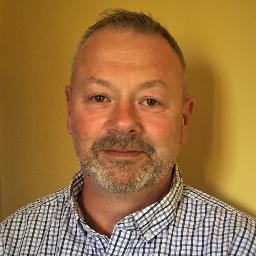
Stephen (Steve) Rudkin, BACP, NCPS
Stephen (Steve) Rudkin offers a calm, person-centred approach that focuses on the person rather than the problem.
About Stephen
Stephen (Steve) Rudkin offers a calm, person-centred approach that focuses on the person rather than the problem. He brings 26 years of experience in health, social care and independent practice to his work, adapting methods to fit what each person needs. Sessions aim to help people make sense of their difficulties and find practical ways forward.
Steve is registered with the British Association for Counselling and Psychotherapy, and also lists NCPS.
Background and approach
Steve uses a mix of client-centred, psychodynamic and mindfulness ideas to guide conversations. He listens without judgement and helps people identify patterns that keep problems repeating. When helpful, he looks at past experiences that shape current feelings and relationships.
He also offers short- and long-term counselling depending on what the person prefers. Over his career he has worked in drug and alcohol services, mental health settings, advocacy, nursing, domestic abuse and child and family services. That range of experience means he is familiar with addictions, trauma, relationship strain and complex life changes.
He also supports people facing grief, anger, low self-esteem and career stress. Practical issues such as parenting, fatherhood concerns, intimacy and sexual process addictions are part of his focus areas. He also works with concerns around attachment, codependency, control issues and narcissistic dynamics.
Steve aims to build a collaborative plan so people feel more able to cope day to day. Sessions are offered in English and he accepts international clients. People can expect a straightforward, respectful approach that concentrates on their immediate aims and longer term wellbeing.
Details from the counsellor's public professional profile · registration number listed
← Browse all counsellorsRegistration
| Body | Registration number | Expires |
|---|---|---|
| BACP | 158735 | March 2026 |
| NCPS | NCS23-04343 | September 2026 |
Registration details are as listed on the counsellor's public profile. You can check any number with the registering body.
Sessions and payment
Sessions are held online through our partner platform, by video, phone or messaging depending on the counsellor.
Cost Costs are shown on the partner platform before you commit. If cost is a concern, ask about reduced-fee options.
Focus areas and approaches
Everything Stephen lists on their public professional profile, in their own terms.
- Stress, Anxiety
- Addictions
- Relationship issues
- Trauma and abuse
- Depression
- LGBT
- Family conflicts
- Grief
- Intimacy-related issues
- Parenting issues
- Anger management
- Self esteem
- Career difficulties
- Coping with life changes
- Abandonment
- Attachment issues
- Co-morbidity
- Codependency
- Control issues
- Domestic violence
- Drug and alcohol addiction
- Family problems
- Fatherhood issues
- HIV / AIDS
- Men's issues
- Midlife crisis
- Narcissism
- Process addiction (porn, exercise, gambling)
- Self-harm
- Sex addiction
- Sexual assault and abuse
- Sexuality
- Social anxiety and phobia
- Workplace issues
- Young adult issues
Ways of working Stephen names
Naming an approach is not evidence of training in it. This directory copies what each counsellor lists and does not check training records.
How Steve's approaches work in online therapy
Steve often draws on client-centred work, where the conversation follows the person's priorities and the counsellor offers understanding and empathy. This approach helps people who want support to make sense of feelings and take steps that fit their life.He also uses mindfulness techniques to help people notice thoughts and bodily reactions without getting overwhelmed. Mindfulness can be useful for anxiety, stress and cravings linked to addiction. Psychodynamic ideas are used to look at repeated patterns and how past relationships influence present ones, which can help with attachment and relationship difficulties.
Finding the right mix is a shared process. Steve will discuss different ways of working at the start and adapt the approach as therapy progresses. He aims to agree goals and methods that match each person's needs and preferences, so sessions remain practical and relevant.
Online therapy options include video calls, phone sessions, live chat and text-based messaging. Video is useful for in-depth conversations when seeing facial cues matters. Phone sessions need less bandwidth and can fit into a short break. Live chat or messaging can suit quick check-ins or people who prefer not to use a camera. These formats give flexibility for different schedules and circumstances while keeping the focus on progress and support.
Frequently asked
What kinds of problems does he help with?
He works with stress, anxiety, depression, grief and trauma as well as relationship and intimacy issues. Addictions, parenting concerns and career or midlife crises are also within his focus.
How would you describe his therapy style?
He follows a person-centred way of working, drawing on psychodynamic thinking and mindfulness practices as needed. The aim is to listen, explore patterns and find practical ways to move forward.
What experience does he bring to sessions?
He has 26 years of experience across health, social care, education and independent practice, including work in drug and alcohol services, mental health and domestic abuse settings.
Where is he based and what are his credentials?
He practises from the United Kingdom and lists BACP and NCPS among his credentials. Sessions are conducted in English.
Can international clients work with him?
Yes, he accepts international clients and conducts sessions in English for people outside the UK.
What session formats does he offer?
He offers video calls, phone sessions, live chat and text-based messaging to suit different preferences and schedules.
How are sessions paid for and what do they cost?
Costs vary with location and therapist arrangements; sessions use a subscription model that can be cancelled at any time.
How do I begin working with him?
Start by selecting the Start Therapy button, complete a short matching questionnaire, and then schedule sessions according to the therapist's availability.
More counsellors who work with Stress, Anxiety
See all
Joseph Shepherd
BACP
3 years in practice
Client-centred counsellor for life changes
- Stress, Anxiety
- Self esteem
- Career
Adelle Liggitt
BACP
3 years in practice
Calm, practical support for anxiety and grief
- Stress, Anxiety
- Relationship
- Grief
Mike Kelly
BACP
4 years in practice
Practical counsellor for everyday struggles
- Stress, Anxiety
- Relationship
- Grief