
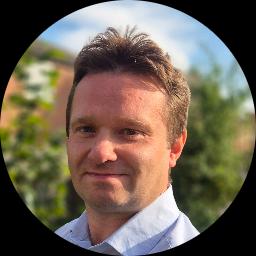
Michael Leunig, BACP
Michael Leunig is a counsellor and psychotherapist who draws on six years of practice to support people through difficult times.
About Michael
Michael Leunig is a counsellor and psychotherapist who draws on six years of practice to support people through difficult times. He holds membership of the British Association for Counselling and Psychotherapy (BACP) and has worked in a range of settings across the UK. Michael speaks English and German and offers sessions online to people inside and outside the UK.
Michael's own life included moving between countries and dealing with childhood trauma.
Background and approach
Those experiences shaped his interest in mindfulness and hypnotherapy, and later led him to study counselling and psychotherapy at university. He has worked with charitable services and in NHS surgeries, and has developed courses in mindfulness and hypnotherapy for other practitioners. In sessions he focuses on helping people feel less stuck.
He listens without judgement and encourages clients to find practical steps forward. He uses a blend of person-centred listening, solution-focused planning, mindfulness and hypnotherapy techniques, chosen to suit each person’s needs. Michael helps with a wide range of concerns including stress, anxiety, depression, trauma and abuse, anger, addictions, self-esteem and grief.
He also supports people facing career changes, relationship separation, chronic illness and the challenges of caregiving. Additional focus areas include panic, phobias, attachment issues and process addictions. Sessions are straightforward and aim to build manageable skills and clearer direction.
Michael often combines short-term solution-focused work with mindfulness practices and hypnotherapy where appropriate. He encourages collaboration and helps people set small, achievable goals to rebuild confidence. For people who prefer online work, he provides video calls, phone sessions, live chat and text-based messaging.
International clients can be supported in English or German, and practical scheduling is worked out at the first contact.
Details from the counsellor's public professional profile · registration number listed
← Browse all counsellorsRegistration
| Body | Registration number | Expires |
|---|---|---|
| BACP | 377007 | May 2026 |
Registration details are as listed on the counsellor's public profile. You can check any number with the registering body.
Sessions and payment
Sessions are held online through our partner platform, by video, phone or messaging depending on the counsellor.
Cost Costs are shown on the partner platform before you commit. If cost is a concern, ask about reduced-fee options.
Focus areas and approaches
Everything Michael lists on their public professional profile, in their own terms.
- Stress, Anxiety
- Trauma and abuse
- Anger management
- Self esteem
- Depression
- Addictions
- Family conflicts
- Grief
- Career difficulties
- Coping with life changes
- Coaching
- Antisocial personality
- Attachment issues
- Caregiver issues and stress
- Chronic pain, illness, and disability
- Communication problems
- Control issues
- Divorce and separation
- Forgiveness
- Men's issues
- Panic disorder and panic attacks
- Phobias
- Post-traumatic stress
- Prejudice and discrimination
- Process addiction (porn, exercise, gambling)
- Seasonal Affective Disorder (SAD)
- Self-harm
- Self-love
- Smoking / vaping cessation
- Social anxiety and phobia
Ways of working Michael names
Naming an approach is not evidence of training in it. This directory copies what each counsellor lists and does not check training records.
How his approaches work online
Client-Centred Therapy focuses on listening and understanding the person rather than giving advice. The counsellor offers acceptance and reflection to help people name their feelings and decide on next steps. Mindfulness Therapy teaches simple practices to manage stress and intrusive thoughts, often using short exercises to help people notice and respond differently to difficult feelings. Hypnotherapy uses guided relaxation and focused attention to help people access mental resources and change unhelpful patterns, which can support habits, anxiety and pain management.Choosing an approach is part of the work together. The therapist will discuss your situation, goals and preferences and then suggest suitable methods. That choice is reviewed as therapy progresses so the plan can change if something is not working for you.
Online sessions are offered by video call, phone, live chat or text-based messaging to make therapy fit around life. Video calls enable face-to-face conversations; phone sessions can be useful when bandwidth is limited or a shorter check-in is needed. Live chat and messaging suit people who prefer writing, want flexible timing or need brief check-ins between sessions. These options aim to make access easier and to fit therapy into everyday routines.
Frequently asked
What kinds of problems does this counsellor help with?
He supports people with stress, anxiety, depression, trauma and abuse, anger, addictions, low self-esteem and grief, among other concerns listed on his profile.
What is his therapeutic style like?
The approach is collaborative and practical, combining person-centred listening with solution-focused work, mindfulness exercises and hypnotherapy techniques when suitable.
How much experience does he have?
He has six years of clinical experience working in charities, NHS surgeries and independent practice.
What credentials and location are listed?
He is a member of the British Association for Counselling and Psychotherapy (BACP) and practises from the United Kingdom.
Can I work with him in other languages or from abroad?
Sessions are offered in English and German, and he accepts international clients.
Which formats are available for sessions?
Sessions can take place via video calls, phone sessions, live chat or text-based messaging to suit different needs.
How are fees and payments handled?
Costs vary with location and therapist availability; sessions operate through a subscription that can be cancelled at any time.
What should I do to begin working with him?
Use the Start Therapy button, complete a short matching questionnaire and then schedule sessions according to the therapist's availability.
More counsellors who work with Stress, Anxiety
See all
Joseph Shepherd
BACP
3 years in practice
Client-centred counsellor for life changes
- Stress, Anxiety
- Self esteem
- Career

Adelle Liggitt
BACP
3 years in practice
Calm, practical support for anxiety and grief
- Stress, Anxiety
- Relationship
- Grief
Mike Kelly
BACP
4 years in practice
Practical counsellor for everyday struggles
- Stress, Anxiety
- Relationship
- Grief