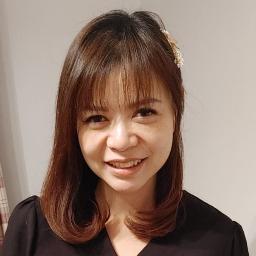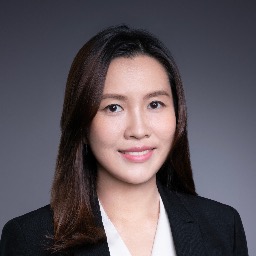
Wing Yau
BACP
11 years in practice English, Mandarin
Calm, practical counselling for everyday struggles
- Stress, Anxiety
- Relationship
- Anger
UK counselling directory
21 counsellors in this directory name Mandarin among the languages they offer sessions in.
Talking in your native language can make it easier to express emotions and cultural experience. Browse Mandarin-speaking therapists below to view profiles and approaches that may suit your needs.
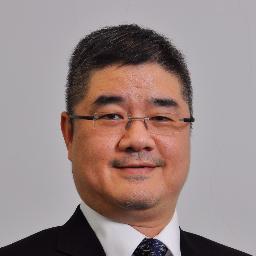
BACP
11 years in practice English, Mandarin
Calm, practical counselling for everyday struggles
BACP
3 years in practice English, Mandarin
Compassionate counsellor for relationship and life changes
BACP
7 years in practice English, Mandarin
Compassionate counsellor for practical change
BACP
10 years in practice English, Mandarin
Calm, practical support for life changes
BACP
18 years in practice English, Mandarin
Supportive counsellor with an international background
BACP
3 years in practice English, Mandarin
Calm, trauma-aware counsellor for overwhelmed people
BACP
13 years in practice English, Mandarin
Calm, listening counsellor for relationship concerns
6 years in practice English, Mandarin
Practical, compassionate counselling for everyday struggles
BACP
3 years in practice English, Mandarin
Calm psychodynamic counselling for difficult feelings
8 years in practice English, Mandarin
Gentle, practical counselling for life changes
BACP
12 years in practice English, Mandarin
Calm, practical therapy for everyday struggles
BACP
6 years in practice English, Mandarin
Bilingual counsellor offering practical, person-centred support
BACP
3 years in practice English, Mandarin
Practical, person-centred support for life challenges
BACP
5 years in practice English, Mandarin
Calm, culturally aware counselling support
BACP
4 years in practice English, Mandarin
Calm, practical support for everyday struggles
BACP
3 years in practice Mandarin, Cantonese
Supportive counsellor for relationship and family stress
3 years in practice English, Mandarin
Compassionate counsellor blending talk and creative methods
BACP
3 years in practice English, Mandarin
Hopeful, practical counselling for life's changes
BACP
21 years in practice English, Mandarin
Calm, practical support for emotional strain
BACP
6 years in practice English, Mandarin
Supportive person-centred counsellor
BACP
10 years in practice English, Mandarin
Practical, compassionate counselling for complex issues
Some links on this page are partner links. We will earn a commission if you sign up through one, at no cost to you.
When you choose to work in Mandarin you often have access to a fuller emotional vocabulary and a range of cultural references that shape how you understand yourself. Language does more than transmit information - it shapes the metaphors, idioms and emotional shading you use to describe inner life. In a therapeutic setting this matters because being able to name feelings, recall memories and discuss sensitive topics in familiar language tends to reduce effort and friction. That can allow you to move more quickly from describing symptoms to exploring meaning and patterns.
For many Mandarin speakers, language is bound up with identity, family expectations and migration history. A counsellor who is able to speak Mandarin can pick up on subtle cues in phrasing, humour and indirect communication. That can create a sense of cultural attunement that helps you feel understood and able to engage more deeply in the work. You do not need to use Mandarin exclusively - some clients switch between languages during sessions - but having the option often changes the quality of the conversation.
Mandarin carries expressions and concepts that are sometimes hard to translate without losing nuance. When you speak in Mandarin, you may find it easier to explain generational dynamics, filial responsibilities or idiomatic ways of describing distress. Those cultural dimensions often affect how you relate to therapy, what you seek from it and how you measure progress. A Mandarin-speaking counsellor can help you place concerns within that cultural frame while also offering approaches that fit your individual situation.
Language barriers can alter every part of the therapeutic process - from rapport building to treatment planning. If you are working through another language you might feel you are constantly searching for words or simplifying complex feelings. That extra cognitive load can make sessions feel less productive and can slow emotional processing. Misunderstandings about meaning or tone may also change how experiences are interpreted, which can influence the outcomes you get from therapy.
There are also relational effects. If you perceive that a counsellor does not share your cultural frame, you may hold back on sensitive topics or offer a more socially acceptable version of events. That tendency can make it harder to address the core issues you want to work on. With a Mandarin-speaking counsellor you can reduce those barriers and create a more direct line for discussing family dynamics, migration stress, identity questions and other culturally influenced concerns.
Sometimes sessions involve a mix of languages or require clarification of cultural references. If you switch between Mandarin and English, take time to note which language carries the more authentic expression for particular topics. You may find some subjects feel easier to tackle in Mandarin and others in English. That flexibility can be helpful, but it can also be useful to agree with your counsellor how to manage translations of key words or metaphors so that important meanings are not lost across languages.
Online therapy can be delivered in different formats including video calls, telephone sessions and text-based messaging. When you choose an online Mandarin-speaking counsellor you can expect most sessions to mirror the flow of face-to-face work - introductions, setting goals, exploring issues and reflecting on progress - while using technology to connect. Many clients appreciate the convenience of meeting from home or a familiar environment, which can support openness and comfort.
Sessions may include discussion of cultural background, family expectations, work-related stress and the emotional impact of migration. Your counsellor will typically invite you to describe what you want from therapy and to set any practical arrangements such as session length and frequency. You can expect a focus on building trust and a therapeutic relationship before moving into deeper material. It is reasonable to ask a counsellor how they manage notes, data protection and any legal or clinical obligations so you understand how your information is handled during remote work.
Online work relies on a stable internet connection and an appropriate device. Simple technical checks before your first appointment usually help. You might choose a quiet, comfortable environment where you can speak without interruption. If you are using a shared device or a workspace where others may overhear you, consider how that may influence what you wish to discuss. Some clients prefer audio-only sessions for greater anonymity, while others find face-to-face video better for building rapport. Think about what will help you feel safe and able to speak freely in Mandarin.
Many Mandarin-speaking clients worry about stigma within their communities, fears about being judged and the possible impact of seeking help on family reputation. These cultural pressures can make the decision to start therapy difficult. You may also be concerned about finding a practitioner who understands the particular expectations and experiences of your community, such as intergenerational conflict, arranged marriage pressures or the stress of adapting to life in the UK.
Another common concern is finding a counsellor whose approach and cultural sensibility match your needs. Some people want someone who shares their cultural background, while others prioritise experience with particular approaches or presenting issues. It is normal to feel uncertain at first; therapy is a collaborative process and the initial sessions are for exploring fit, priorities and how to work together. You should feel able to raise any concerns about culture, language or expectations with your counsellor as part of that process.
Shame and face-saving can complicate disclosures in therapy. Working with a Mandarin-speaking counsellor can reduce that burden because you do not have to translate or dilute sensitive material. A counsellor who listens without judgement and who recognises cultural values around family, duty and success can help you move past barriers to honest conversation. Over time that openness allows you to set realistic goals and to experiment with new ways of relating that fit your life.
Online therapy widens the pool of counsellors you can reach, so you are more likely to find someone who lists Mandarin among their languages and who uses approaches that resonate with you. It also makes it possible to maintain continuity if you move within the UK or if your schedule limits in-person options. The convenience of remote sessions can reduce travel stress and free up time to focus on the therapeutic work itself.
When choosing a counsellor, consider how they describe their approach and experience, whether they are registered or accredited with a recognised UK body and how they explain the practical aspects of working together. Read profiles to see which issues and approaches are mentioned, and look for a counsellor whose descriptions of their practice feel respectful and clear. It can help to prepare a few questions in advance about how they work with cultural issues, how they handle language switching during sessions and what a typical session structure looks like.
Fit often comes down to a sense of being heard and understood. You can assess this by noting how the counsellor writes about their work and how comfortable you feel in initial contact. Trusting your instincts about tone and clarity is useful. Keep in mind that switching counsellors is an acceptable part of the process if something does not feel right - what matters most is finding a professional relationship where you feel able to explore difficult topics in Mandarin and make meaningful changes over time.
Seeking a Mandarin-speaking counsellor is a practical step toward more honest, culturally aware therapy. By focusing on language, cultural understanding and the practicalities of online work you can find a counsellor who supports your needs and helps you move forward in ways that feel relevant and respectful to your life.