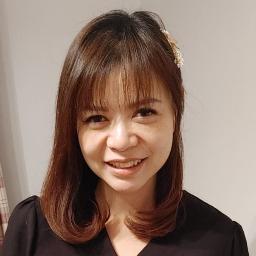
Wing Yau
BACP
11 years in practice English, Mandarin
Calm, practical counselling for everyday struggles
- Stress, Anxiety
- Relationship
- Anger
UK counselling directory
20 counsellors in this directory name Cantonese among the languages they offer sessions in.
Accessing therapy in Cantonese can help you express feelings and cultural nuances more clearly and feel understood. Browse Cantonese-speaking therapists below to view profiles, approaches and areas of focus.
BACP
11 years in practice English, Mandarin
Calm, practical counselling for everyday struggles
BACP
8 years in practice English, Cantonese
Practical counselling that balances thought and feeling
BACP
7 years in practice English, Mandarin
Compassionate counsellor for practical change
BACP
18 years in practice English, Mandarin
Supportive counsellor with an international background
BACP
3 years in practice English, Mandarin
Calm, trauma-aware counsellor for overwhelmed people
BACP
5 years in practice English, Cantonese
A warm counsellor who uses practical therapy
BACP
11 years in practice English, Cantonese
Experienced counsellor for trauma and life change
BACP
13 years in practice English, Mandarin
Calm, listening counsellor for relationship concerns
6 years in practice English, Mandarin
Practical, compassionate counselling for everyday struggles
BACP
3 years in practice English, Mandarin
Calm psychodynamic counselling for difficult feelings
8 years in practice English, Mandarin
Gentle, practical counselling for life changes
25 years in practice English, Cantonese
Practical, culturally aware counselling for life challenges
BACP
4 years in practice English, Cantonese
Skilled, person-centred counselling support
BACP
12 years in practice English, Mandarin
Calm, practical therapy for everyday struggles
BACP
3 years in practice English, Mandarin
Practical, person-centred support for life challenges
BACP
5 years in practice English, Mandarin
Calm, culturally aware counselling support
BACP
3 years in practice Mandarin, Cantonese
Supportive counsellor for relationship and family stress
3 years in practice English, Mandarin
Compassionate counsellor blending talk and creative methods
BACP
21 years in practice English, Mandarin
Calm, practical support for emotional strain
BACP
10 years in practice English, Mandarin
Practical, compassionate counselling for complex issues
Some links on this page are partner links. We will earn a commission if you sign up through one, at no cost to you.
When you speak in your native language you can reach subtleties of feeling, humour and meaning that are hard to convey through translation. Cantonese carries expressive tones, idioms and culturally specific references that shape how you think about relationships, family roles and emotional experience. In a counselling conversation conducted in Cantonese you may find it easier to name shame, grief, anger or longing in ways that feel authentic to you. That fluency often makes it simpler to describe repeated patterns, childhood memories and nuanced cultural expectations without stopping to search for words or relying on a translator.
Beyond words, language carries cultural frames - ways of valuing privacy, respect, filial duty and community - that influence what you expect from support. Speaking Cantonese with your counsellor can allow these frames to be acknowledged naturally, so that therapeutic approaches are discussed in terms that make sense in your cultural context. This connection can help conversations move deeper and feel more personally relevant.
Language barriers can do more than make conversations slow. They can shape whether you disclose sensitive topics at all, how intensely you describe feelings, and whether your counsellor picks up on cultural meaning. When you are forced to use a second language you may understate distress to avoid sounding dramatic, or you might rely on literal translations that miss cultural subtext. This can lead to misunderstandings about symptoms, priorities and what change would look like for you.
Non-verbal cues and indirect speech are also culturally coded. If a counsellor is unfamiliar with Cantonese ways of expressing respect, deference or complaint, they may misinterpret silence or indirectness as avoidance rather than a culturally patterned response. Over time, that kind of misunderstanding can create emotional distance. For you, having a counsellor who understands both the language and the cultural ways of communicating reduces the risk that important details will be lost or misread.
Online therapy lets you meet with a Cantonese-speaking counsellor from the place that feels most comfortable for you. Sessions are often conversational and you can expect to discuss goals, background and the ways your cultural life shapes current concerns. Counsellors may describe their approaches and you can look for phrasing such as therapists who list person-centred, psychodynamic, cognitive behavioural or EMDR among their approaches to get a sense of how they work. Remember that listing an approach is different from a formal certification; it indicates how a counsellor frames their practice.
In an online setting you should expect to agree on practical details before work begins - the length and frequency of sessions, how to reach each other if there is a technical problem, and how you will work together to set therapeutic aims. You may find it helpful to ask how the counsellor uses Cantonese in therapy, for example whether they use written Cantonese, spoken Cantonese, or a mix with English, and how they handle terms that do not translate directly. Online therapy can also make it easier to access counsellors who share your dialect, cultural background or experience of migration and identity issues.
You may encounter several cultural and practical concerns when looking for therapy in Cantonese. In many Cantonese-speaking communities there is stigma attached to seeking psychological help, which can make it difficult to take the first step. Family expectations about duty, honour and face can make it harder to acknowledge difficulties openly. At the same time, you may worry about how to explain therapy to elders who have different beliefs about mental health or how to balance help-seeking with responsibilities to family.
Finding a counsellor who understands these cultural dynamics can make it easier to work through them. You might also face practical hurdles such as confusing terminology, different systems of care and the need to match cultural style as well as language. For instance, some Cantonese speakers prefer a more structured therapeutic approach while others value storytelling and a relational style. Bringing questions about cultural fit into early conversations with potential counsellors can help you find someone whose style aligns with your expectations.
Online therapy expands the pool of Cantonese-speaking counsellors you can connect with, so you are less restricted by geography. This flexibility can help you find a counsellor who understands your dialect, migration background or specific life stage. You may also appreciate being able to attend from a familiar location, fitting sessions around work and family commitments. The convenience of remote sessions often makes it easier to maintain continuity of care, which is important for progress.
When choosing a Cantonese-speaking counsellor, look at how they describe their qualifications and registration. In the UK it is common to see counsellors noted as registered or accredited with professional bodies. Read how they explain their approach and note whether they say they work with particular issues such as relationships, bereavement or trauma. If approaches are listed, remember that phrasing such as therapists who list cognitive behavioural therapy or psychodynamic approaches simply indicates the methods they use in practice rather than a formal guarantee of outcomes. Think about cultural fit as well as professional background - do they acknowledge cultural values and speak in a way that feels respectful to your experience?
When you make initial contact, you can ask practical questions about session length, fees and how they handle language differences within sessions. It can be helpful to agree on goals and to check in after a few sessions about whether the work feels helpful to you. Building a therapeutic relationship takes time, and having conversations about culture, family and language early on can create a stronger foundation for the work you want to do.
Finding a Cantonese-speaking counsellor in the UK can open up a more natural way of expressing yourself and of addressing issues that are deeply connected to cultural identity. By prioritising language, cultural understanding and clear communication about approach and professional standing you increase the likelihood of a helpful therapeutic partnership. Use the profiles below to explore counsellors who work in Cantonese and to learn more about how they describe their work and areas of focus.