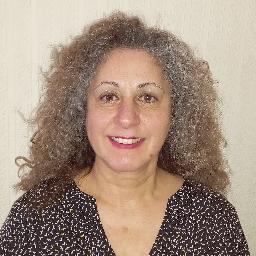
Fariba Shahbakhti-Warrington, BACP
Fariba Shahbakhti-Warrington is a counsellor who helps people manage stress, anxiety, depression and the impact of trauma.
About Fariba
Fariba Shahbakhti-Warrington is a counsellor who helps people manage stress, anxiety, depression and the impact of trauma. She supports clients facing addiction, grief, relationship and intimacy issues, and people dealing with parenting pressures or major life changes. Fariba offers a calm, accepting presence and works in English and Persian.
Fariba draws on person-centred and attachment ideas to focus on what matters to each individual. She uses practical tools from cognitive behavioural approaches to help change unhelpful thinking and behaviour.
Background and approach
Emotion-focused ideas help when relationship patterns and emotional connection are central concerns. Sessions are conversational and aimed at making small, useful changes week to week. Clients can expect clear steps to try between meetings and time to reflect on what is working.
The approach is collaborative - goals are set together and reviewed as therapy progresses. She has three years' documented experience listed in this profile and is associated with the British Association for Counselling and Psychotherapy, BACP. That professional link is part of her practice identity in the United Kingdom.
Fariba is comfortable working with people who identify as LGBT and with survivors of domestic and sexual violence. She also addresses control issues, divorce and separation, self-harm and eating concerns. Wherever possible she adapts methods to each person's needs and cultural background.
Sessions can be held online by video, phone, live chat or text messaging to suit different lives and schedules. International clients are accepted and conversations are offered in English and Persian.
Details from the counsellor's public professional profile · registration number listed
← Browse all counsellorsRegistration
| Body | Registration number | Expires |
|---|---|---|
| BACP | 178350 | January 2027 |
Registration details are as listed on the counsellor's public profile. You can check any number with the registering body.
Sessions and payment
Sessions are held online through our partner platform, by video, phone or messaging depending on the counsellor.
Cost Costs are shown on the partner platform before you commit. If cost is a concern, ask about reduced-fee options.
Focus areas and approaches
Everything Fariba lists on their public professional profile, in their own terms.
- Stress, Anxiety
- Addictions
- Family conflicts
- Trauma and abuse
- Depression
- LGBT
- Relationship issues
- Grief
- Intimacy-related issues
- Eating disorders
- Parenting issues
- Bipolar disorder
- Coping with life changes
- Control issues
- Divorce and separation
- Domestic violence
- Self-harm
- Sexual assault and abuse
- Women's issues
Ways of working Fariba names
- Attachment-Based Therapy
- Client-Centred Therapy
- Cognitive Behavioural Therapy (CBT)
- Emotionally-Focused Therapy (EFT)
- Existential Therapy
- Jungian Therapy
Naming an approach is not evidence of training in it. This directory copies what each counsellor lists and does not check training records.
How therapeutic approaches work in online sessions
Attachment-based work looks at how early relationships shape how people connect now. In online sessions this can help when patterns of trust, closeness and distance cause pain in current relationships. Client-centred counselling focuses on listening and understanding the person's experience. It gives space for people to make sense of feelings and find their own solutions. Cognitive behavioural therapy, or CBT, looks at the links between thoughts, feelings and actions and adds practical exercises to change unhelpful patterns.Finding the right approach is part of the therapeutic journey. The counsellor will work collaboratively to choose methods that match a person's concerns, goals and preferences. That might mean starting with listening and reflection, then introducing CBT strategies or emotion-focused work if needed.
Online therapy via video calls, phone sessions, live chat or text messaging offers practical benefits. Video lets people read facial cues and have a fuller conversation. Phone sessions are useful when bandwidth is limited or when being off camera feels easier. Live chat and text messaging suit quick check-ins, shorter sessions or ongoing support between meetings. These options make it easier to fit therapy around work, childcare and travel, and to continue therapy if someone moves regionally or internationally.
Frequently asked
What kinds of problems does this counsellor help with?
She supports people coping with stress, anxiety, depression, grief, addiction and trauma. Relationship, intimacy, parenting and eating issues are also part of her focus.
How would you describe the therapy style?
The style is conversational and person-centred, with practical steps offered between sessions. It aims to set shared goals and make steady progress.
What experience does she bring?
The profile records three years of experience. Her background highlights work with trauma, domestic violence and mental health concerns.
What professional credential is shown and where is the counsellor based?
The listing shows BACP, which is the British Association for Counselling and Psychotherapy, and she is based in the United Kingdom.
Which languages are supported in sessions?
Sessions are offered in English and Persian. International clients are accepted for online work.
What formats are available for sessions?
Therapy can take place by video calls, phone sessions, live chat or text-based messaging to suit different needs and schedules.
How are fees and payment handled?
Cost varies with location and therapist availability and sessions use a subscription model that can be cancelled at any time.
How do I begin working with this counsellor?
Start by selecting the Start Therapy button, completing a short matching questionnaire, and then schedule sessions according to therapist availability.
More counsellors who work with Stress, Anxiety
See all
Joseph Shepherd
BACP
3 years in practice
Client-centred counsellor for life changes
- Stress, Anxiety
- Self esteem
- Career

Adelle Liggitt
BACP
3 years in practice
Calm, practical support for anxiety and grief
- Stress, Anxiety
- Relationship
- Grief

Mike Kelly
BACP
4 years in practice
Practical counsellor for everyday struggles
- Stress, Anxiety
- Relationship
- Grief